
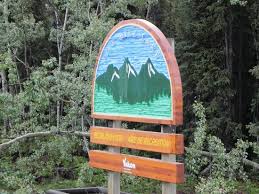
The strategy provides strategic guidance on how to sustainably deliver the environmental, economic, social and health benefits of Yukon’s network of parks and campgrounds. It will help ensure healthy land, healthy people and a healthy economy.
The Government of Yukon has released the Yukon Parks Strategy, setting long-term direction for Yukon’s territorial parks system from 2020 to 2030.
The strategy provides strategic guidance on how to sustainably deliver the environmental, economic, social and health benefits of Yukon’s network of parks and campgrounds. It will help ensure healthy land, healthy people and a healthy economy.
Major actions in the strategy include:
- extending the serviced campground season to five months, from May 1 to September 30;
- building a new campground near Whitehorse with up to 150 campsites;
- developing new trails in territorial parks;
- increasing accessible wilderness experiences at boat-in and hike-in campsites;
- an online reservation system pilot project for some campsites; and
- expanding park infrastructure and adding additional campsites at existing campgrounds.
In order to support continued quality service in Yukon parks and campgrounds, the strategy outlines operational priorities and increases to camping fees starting in 2022.
I am extremely proud of the Yukon Parks Strategy and look forward to the exciting changes coming for our parks and campgrounds over the next ten years. Parks and campgrounds are some of Yukon’s best assets and are beloved by Yukoners and visitors alike. By investing in Yukon’s parks system, we are supporting Yukoners to be active and explore the beautiful outdoors in our territory. It will also support Yukon’s tourism industry while providing local contracting opportunities. Minister of Environment Pauline Frost
In total, more than 1,500 Yukoners, 200 non-residents, 10 First Nations governments and 28 Yukon organizations provided input on the draft strategy in 2018 and 2019.
There are 10 strategic priorities the draft strategy proposes for the period from 2020 to 2030:
- Keep doing what’s working
- Develop a parks system plan
- Welcome year-round park use
- Enrich and diversify park experiences
- Make it easier to get a campsite
- Establish and operate new parks
- Ensure protection
- Advance reconciliation
- Modernize regulations
- Financially sustain our parks
Yukon’s system of territorial parks includes wilderness parks, campgrounds, recreation sites and others.
The Yukon government maintains 42 campgrounds with more than 1,000 campsites, 12 recreation sites and six larger wilderness parks like Tombstone.
More than one-quarter of Yukon’s population camp in government campgrounds every year. In 2018, these campgrounds provided over 57,000 nights of camping for over 89,000 people.
 Independent review panel publishes first status report in Department of Education review
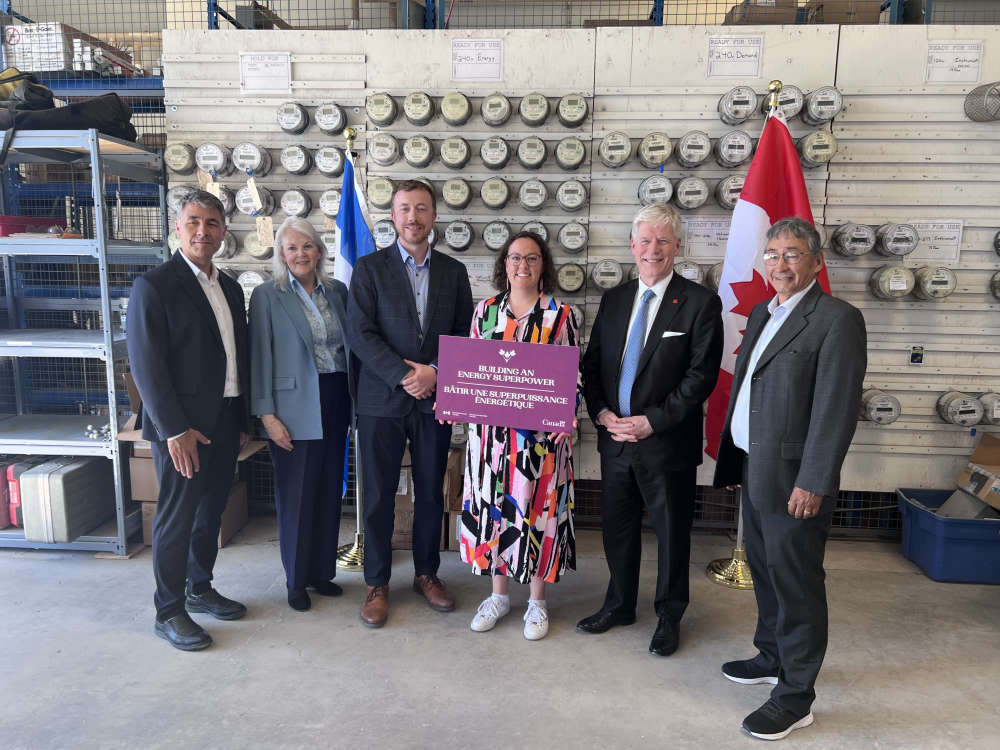 ATCO Electric Yukon Gets $7.5M to Fix Billing Issues with Smart Meters
 Yukon NDP calls on Yukon government to investigate electricity billing concerns
 Youth investment fund supports 13 community projects across Yukon
 FNNND challenges Mayo Dam spillway project over treaty and fish passage concerns
 First Nation of Na-Cho Nyäk Dun youth benefit as mining firms fund mayo school sports
 BC man convicted of manslaughter
 Hamilton Boulevard trail cleared as winter pilot project wraps up
 Yukon RCMP roll out new navy-blue uniform shirts
 Yukon releases final flood maps for Dawson, Klondike Valley, Upper Liard
 Inquest into the death of Manui Roux to be held in Whitehorse
 Yukon municipalities to receive record $30 million in funding
 Yukon expands winter electricity relief for residents
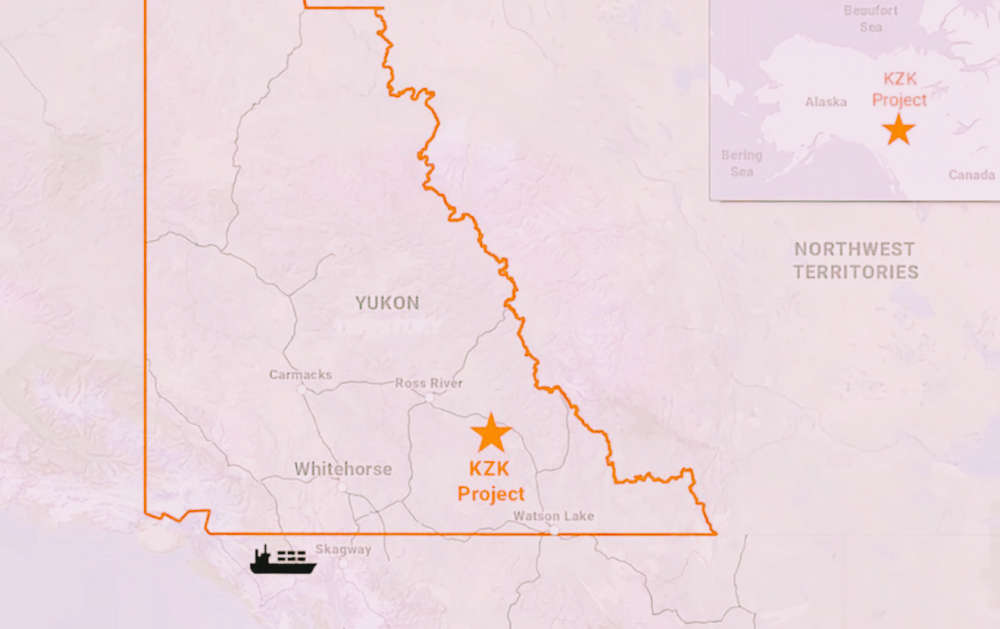 Ross River Dena Council says 'no' to proposed mining on its traditional territory
 LSCFN stands firm: 'No mining in the Breadbasket'
 Yukon Government accepts responsibility for abuse at Jack Hulland Elementary
 Whistle Bend road connector project gets $8.7M boost from federal government
 Yukon Government signs deal with Alliance Health for primary care clinic
 Man Missing in Whitehorse: Reuben van Klaveren Sought by RCMP