

The jurors are tasked with determining the identity of the deceased individuals, the time and place of their deaths, and the causes of death.
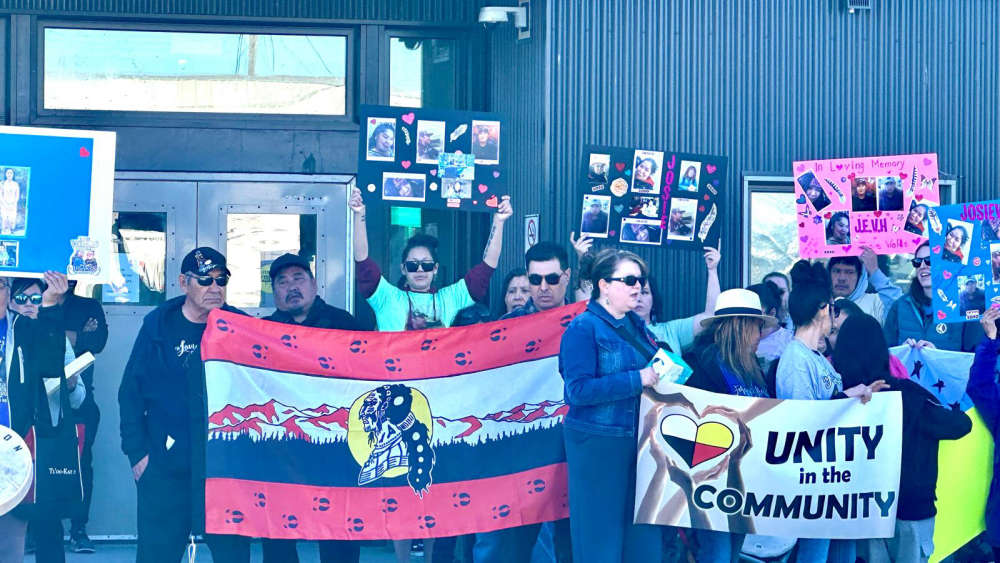
The testimony hearing of the coroner’s inquest into the deaths of Cassandra Warville, Myranda Aleisha Dawn Tizya-Charlie, Josephine Elizabeth Hager and Darla Skookum whose deaths occurred at the Whitehorse Emergency Shelter ended Wednesday April 24.
The three weeks long coroner’s inquest into the deaths of four Yukon women began on Monday April 8 at the Gold Rush Hotel in Whitehorse.
While examining the circumstances of the deaths of the four Yukon women, the inquest heard testimonies from family members, RCMP, EMS, the Whitehorse Emergency Shelter directors, managers, and staff, and other experts.
As the deliberations into the deaths of the four Yukon women was set to begin thursday morning, the presiding coroner, Michael Eglison, provided guiding instructions to the jury.
Eglison provided the jury a high-level overview of the testimony the inquest heard and an audio recording of testimony from Dr. Elizabeth McKinnon, a forensic pathologist from the BC Coroners Service, was replayed.
McKinnon performed autopsies on Hager and Skookum and reviewed reports and documents related to the deaths of Warville and Tizya-Charlie. Her testimony, given on April 16, gave insight into the causes of death of the four deceased women.
Following the overview of the inquest and the replay of McKinnon’s testimony which saw some attendees weeping, as have been witnessed in previous days of the inquest. Eglison said the jurors are tasked with determining the identity of the deceased individuals, the time and place of their deaths, and the causes of death. The jurors were also asked to classify the deaths into natural, accidental, suicide, homicide categories or undetermined manners of death and to provided definitions for each classification.
According to Eglison, jurors can give careful consideration to ensure that any recommendations they make are reasonable, achievable and practical. He told jurors that he would provide them with a USB drive containing a list of possible recommendations, although they are not required to accept his recommendations.
Finally, Eglison noted that coroner’s inquests are not intended to assign blame or guilt and that jurors cannot make findings of legal responsibility nor express any conclusions of law.
While it is uncertain how long the jury would require to deliberate the circumstances of the four deaths currently being examined by the coroner’s inquest and to provide recommendations, it is believed that it could take several days.
Inquests held by the Yukon Coroner’s Service are intended to serve three key functions: determine the facts related to a death or deaths, make recommendations if appropriate and supported by evidence to prevent future deaths in similar circumstances and assure the community that the death or deaths is not being overlooked or ignored.
 Independent review panel publishes first status report in Department of Education review
 ATCO Electric Yukon Gets $7.5M to Fix Billing Issues with Smart Meters
 Yukon NDP calls on Yukon government to investigate electricity billing concerns
 Youth investment fund supports 13 community projects across Yukon
 FNNND challenges Mayo Dam spillway project over treaty and fish passage concerns
 First Nation of Na-Cho Nyäk Dun youth benefit as mining firms fund mayo school sports
 BC man convicted of manslaughter
 Hamilton Boulevard trail cleared as winter pilot project wraps up
 Yukon RCMP roll out new navy-blue uniform shirts
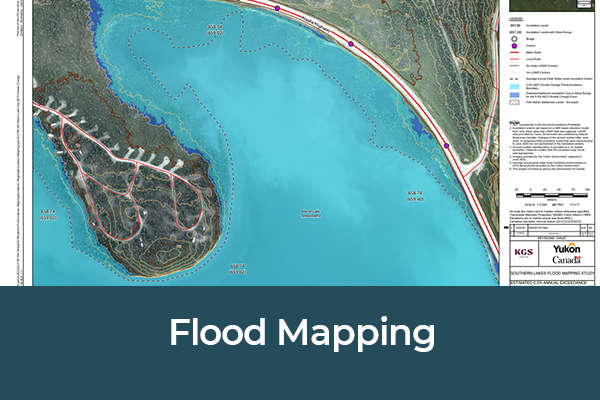 Yukon releases final flood maps for Dawson, Klondike Valley, Upper Liard
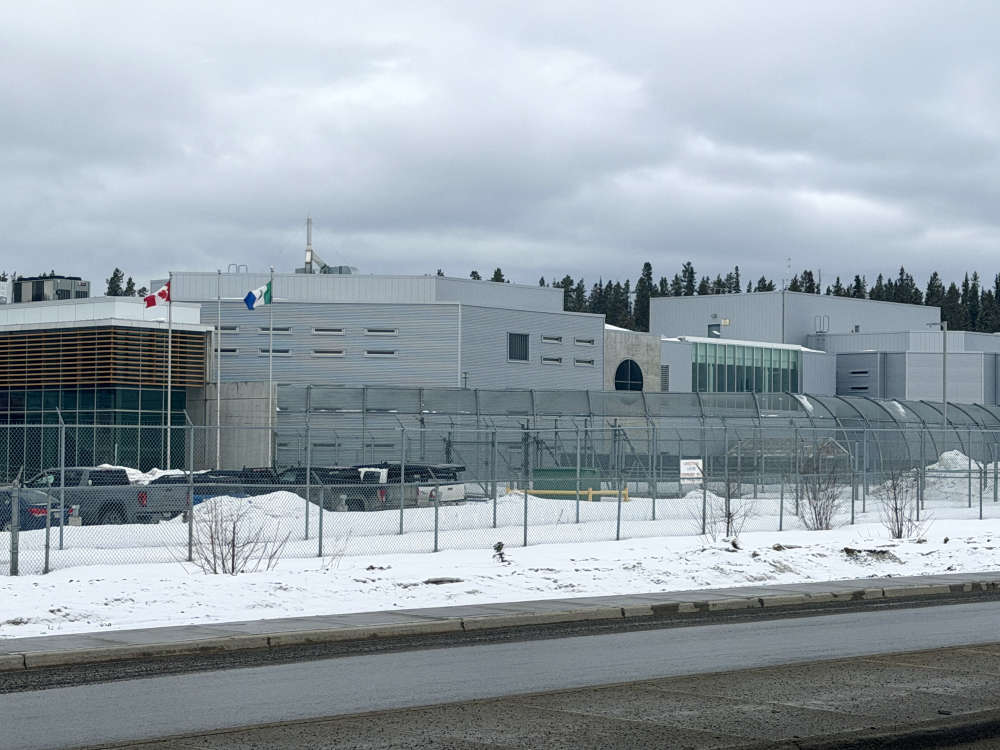 Inquest into the death of Manui Roux to be held in Whitehorse
 Yukon municipalities to receive record $30 million in funding
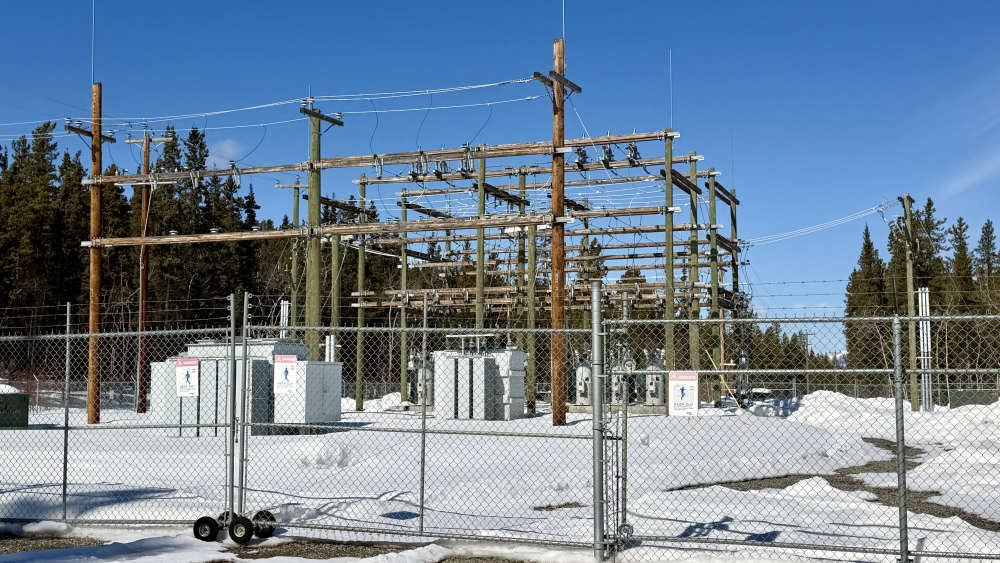 Yukon expands winter electricity relief for residents
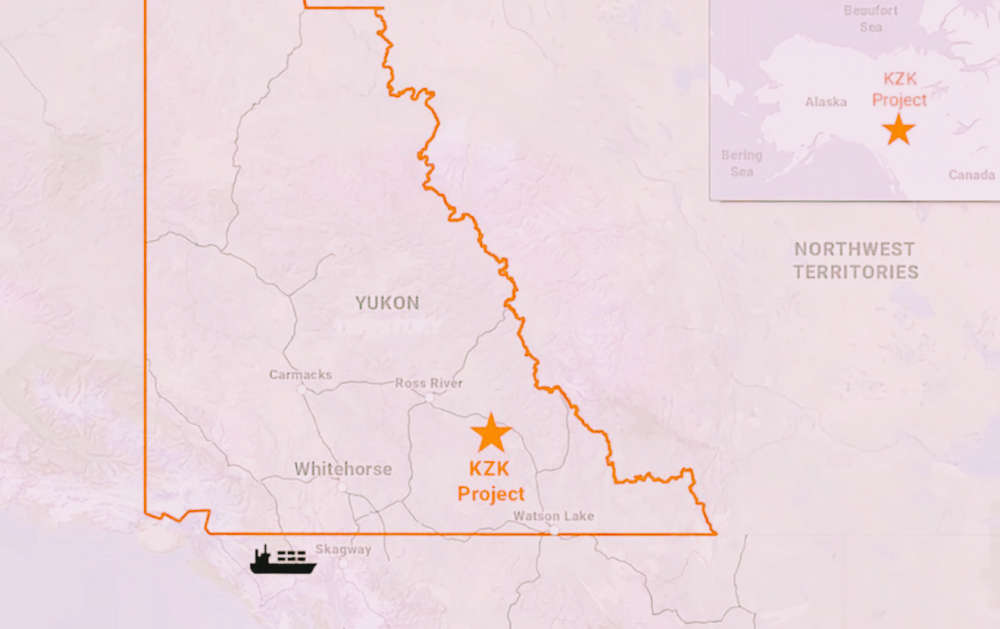 Ross River Dena Council says 'no' to proposed mining on its traditional territory
 LSCFN stands firm: 'No mining in the Breadbasket'
 Yukon Government accepts responsibility for abuse at Jack Hulland Elementary
 Whistle Bend road connector project gets $8.7M boost from federal government
 Yukon Government signs deal with Alliance Health for primary care clinic
 Man Missing in Whitehorse: Reuben van Klaveren Sought by RCMP