

The Government of Yukon has the following updates on measures being taken in response to the COVID-19 pandemic.
As of June 17, the COVID-19 case count remains at 11 in the territory. All of the 11 people who have contracted COVID-19 in Yukon have recovered. There are no active cases in the territory and 1,265 people have been tested. There has been no new cases since April 20.
Starting July 1st, residents of British Columbia and Yukon will be allowed to travel back and forth without the need to self-isolate for 14 days. BC residents entering Yukon will need to provide documentation proving their BC residence at the border or airport, such as a driver’s licence.
Also from July 1st, residents of the Northwest Territories and Nunavut will be allowed to enter Yukon without needing to self-isolate for 14 days, as long as they travel directly to Yukon from one of the territories or through BC.
The decision to ease border restrictions was made based on careful risk assessments and confidence in the territory’s health care capacity and ability to contact trace if new cases arrive in Yukon.
To help Yukoners at risk during this pandemic, vulnerable populations can now access mental health and social supports online. This includes homeless people, those experiencing or at risk of gender-based violence, people with disabilities, seniors and those with underlying medical conditions.
Effective July 1, public pools will be able to operate with an approved operational plan. Swimming and other water-related activities are excellent ways to get the physical activity needed for a healthy life.
The use of public pools is considered a low-risk activity as long as pools are operated safely and are properly maintained. All requirements in the Public Pool Regulations, under the Public Health and Safety Act, must be adhered to. An operational plan must be submitted to COVID19info@gov.yk.ca and there must be a pre-opening public pool inspection. Pool operators throughout the territory have been advised of this information.
Beginning July 1, the Whitehorse Farmers Market can welcome non-food vendors (such as artisans and soap and flower sellers). Information booths will continue to be excluded. In addition, market organizers have been advised they now have the ability to offer seating and an outdoor dining experience to the public as long as physical distancing is maintained. Buskers are also allowed to return to the market beginning July 1.
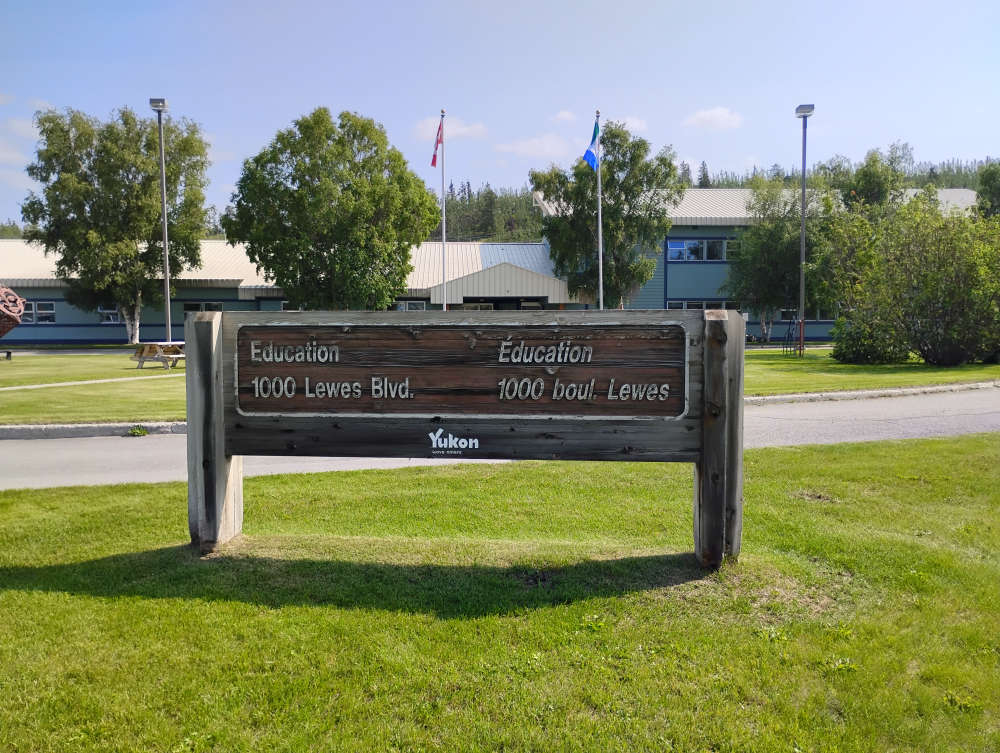 Independent review panel publishes first status report in Department of Education review
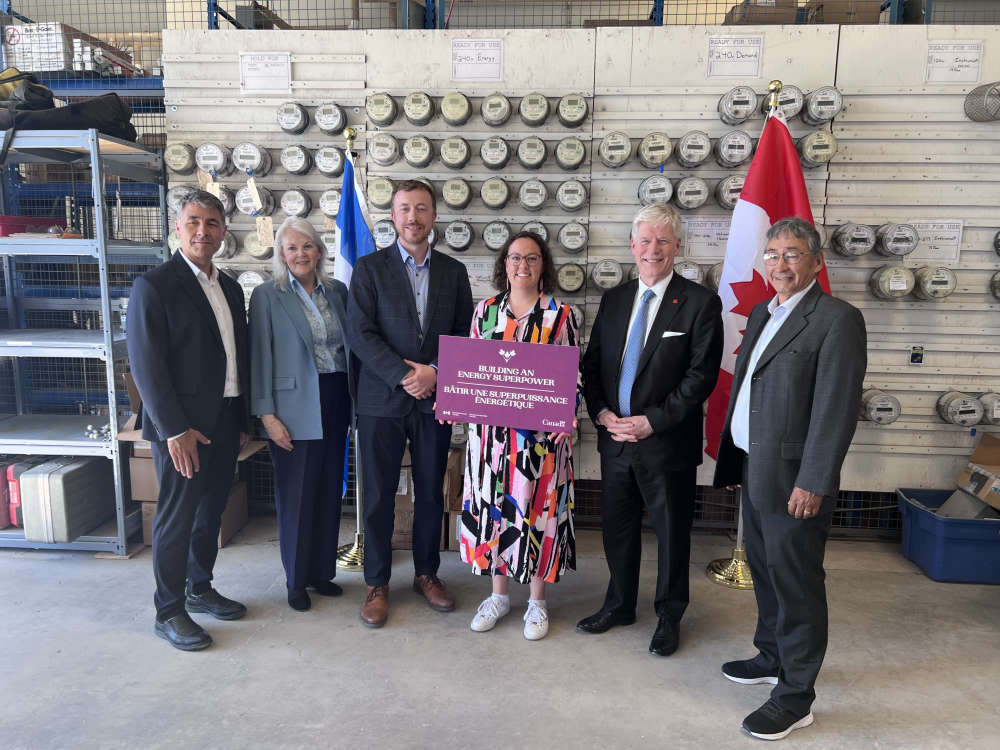 ATCO Electric Yukon Gets $7.5M to Fix Billing Issues with Smart Meters
 Yukon NDP calls on Yukon government to investigate electricity billing concerns
 Youth investment fund supports 13 community projects across Yukon
 FNNND challenges Mayo Dam spillway project over treaty and fish passage concerns
 First Nation of Na-Cho Nyäk Dun youth benefit as mining firms fund mayo school sports
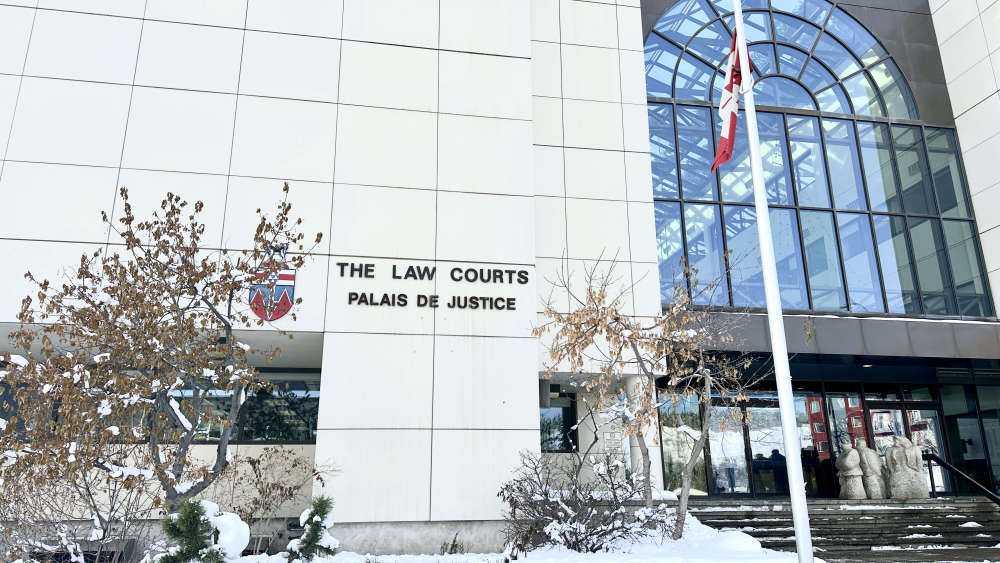 BC man convicted of manslaughter
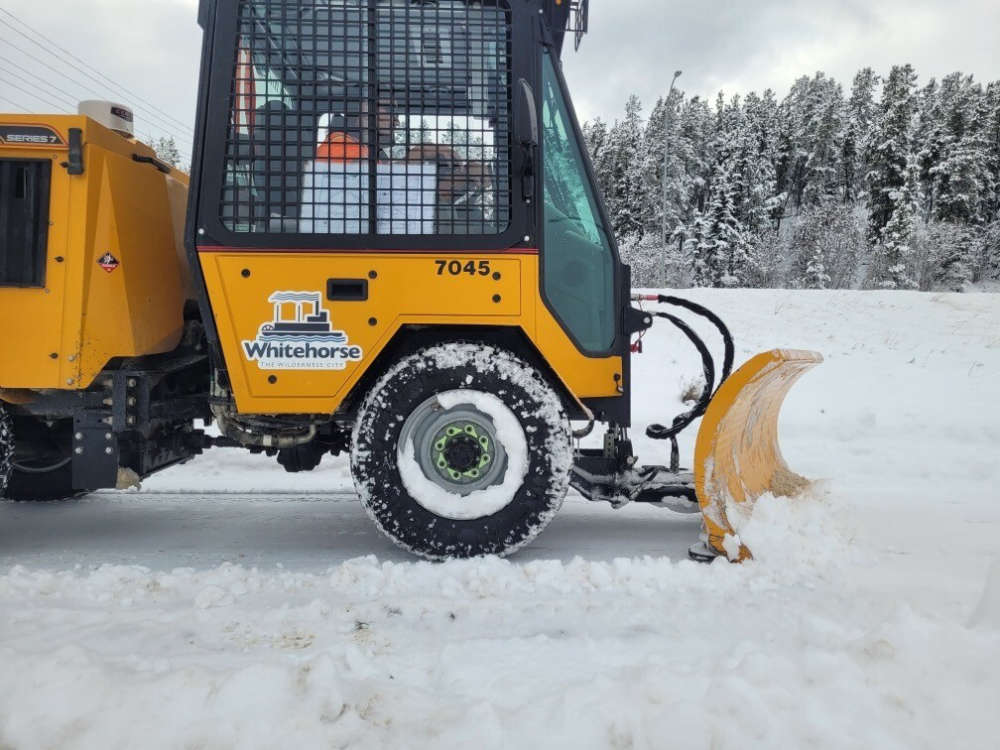 Hamilton Boulevard trail cleared as winter pilot project wraps up
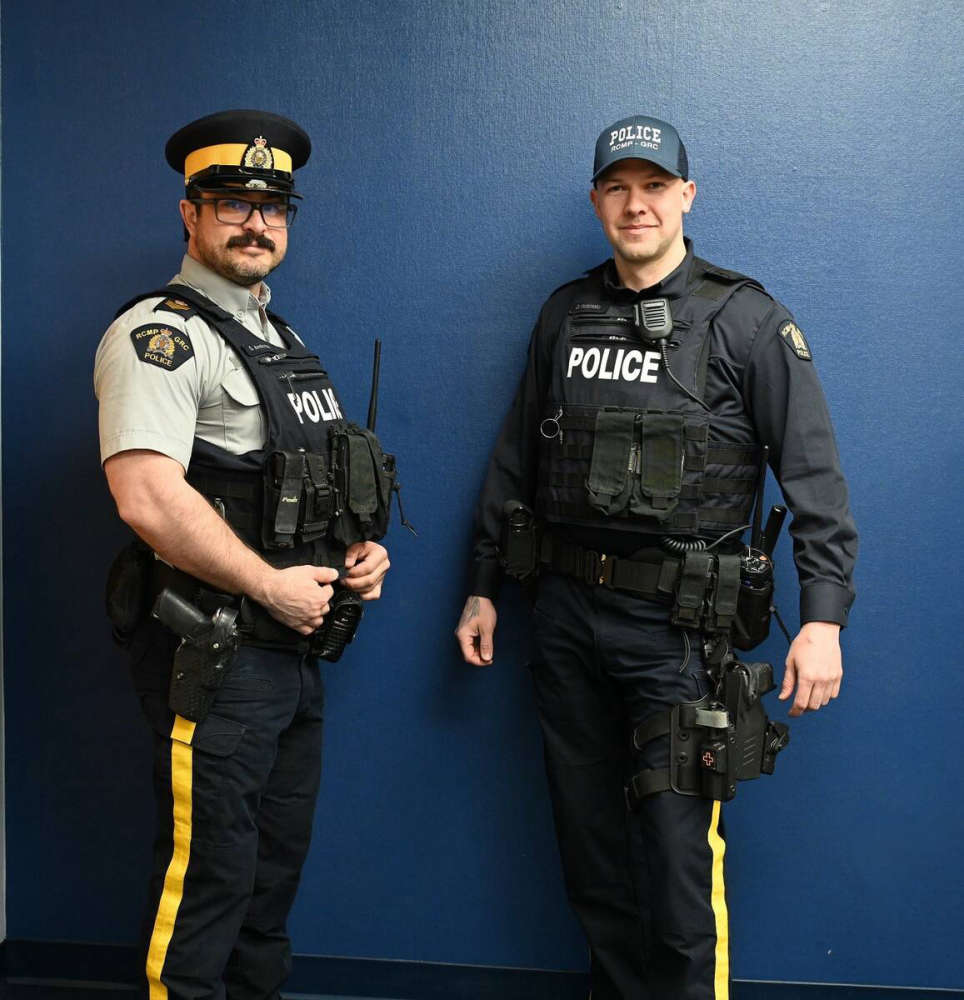 Yukon RCMP roll out new navy-blue uniform shirts
 Yukon releases final flood maps for Dawson, Klondike Valley, Upper Liard
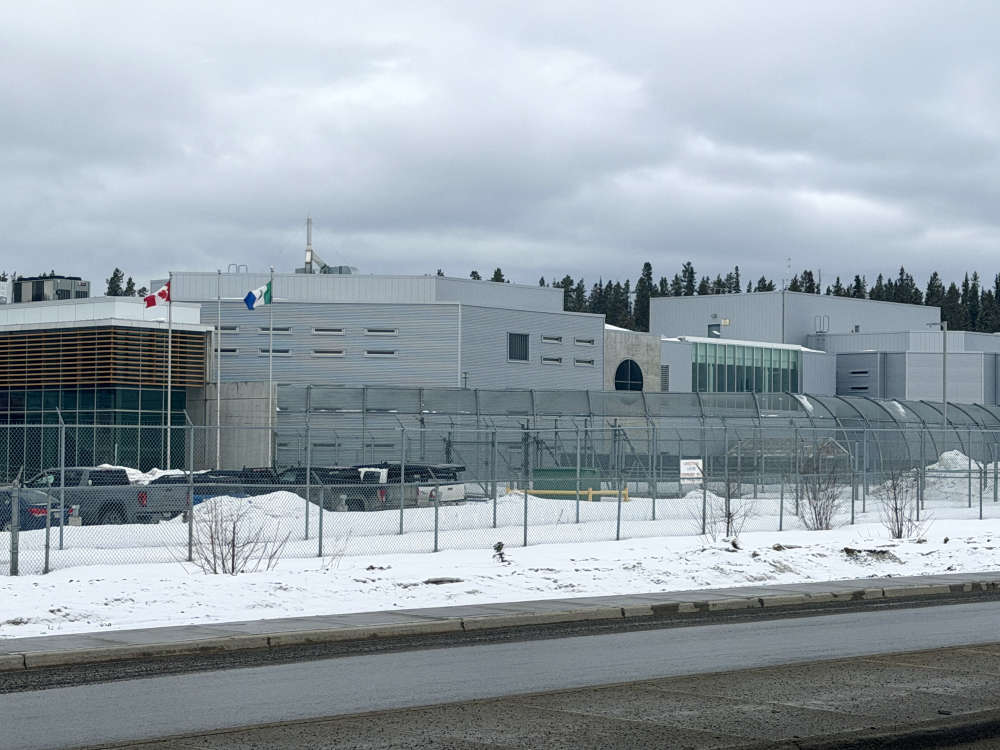 Inquest into the death of Manui Roux to be held in Whitehorse
 Yukon municipalities to receive record $30 million in funding
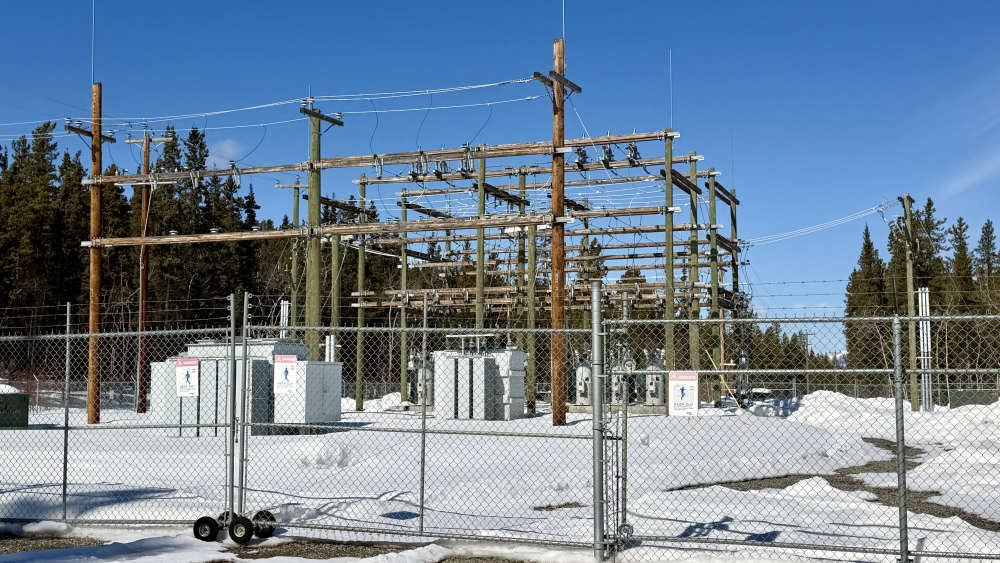 Yukon expands winter electricity relief for residents
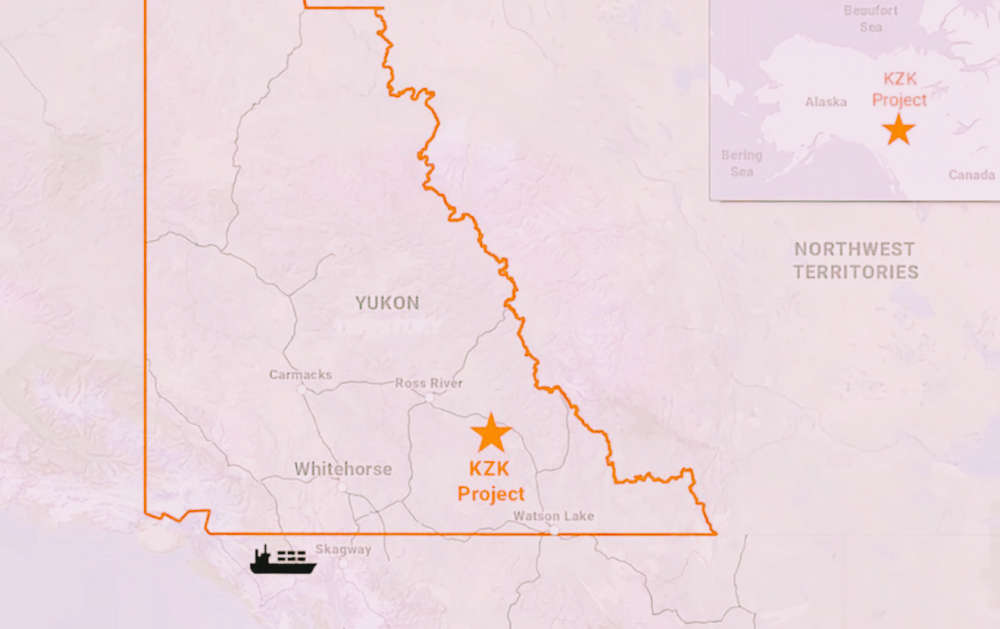 Ross River Dena Council says 'no' to proposed mining on its traditional territory
 LSCFN stands firm: 'No mining in the Breadbasket'
 Yukon Government accepts responsibility for abuse at Jack Hulland Elementary
 Whistle Bend road connector project gets $8.7M boost from federal government
 Yukon Government signs deal with Alliance Health for primary care clinic
 Man Missing in Whitehorse: Reuben van Klaveren Sought by RCMP