



The more a person relies on social media to learn about COVID-19, the more likely they are to be exposed to misinformation and to believe it, and to disregard physical distancing and other public health guidelines.
Researchers say conspiracy theories about COVID-19 are spreading at an alarming rate across the country. And they warn that misinformation being shared online could lead to devastating consequences and push Canadians to shun important safety measures.
Aengus Bridgman, a PhD candidate in political science at Montreal's McGill University, says "people should be enormously concerned." Bridgman co-authored a study published last month on COVID-19 misinformation and its impact on public health.
It found the more a person relies on social media to learn about COVID-19, the more likely they are to be exposed to misinformation and to believe it, and to disregard physical distancing and other public health guidelines.
Bridgman notes that about 16 per cent of Canadians use social media as their primary source of information on the virus.
Another study published in May at Ottawa's Carleton University indicated 46 per cent of Canadians believed at least one of four unfounded COVID-19 theories: the virus was engineered in a Chinese lab; the virus is being spread to cover up the effects of 5G wireless technology; drugs such as hydroxychloroquine can cure COVID-19 patients; or rinsing your nose with a saline solution can protect you from infection.
 Independent review panel publishes first status report in Department of Education review
 ATCO Electric Yukon Gets $7.5M to Fix Billing Issues with Smart Meters
 Yukon NDP calls on Yukon government to investigate electricity billing concerns
 Youth investment fund supports 13 community projects across Yukon
 FNNND challenges Mayo Dam spillway project over treaty and fish passage concerns
 First Nation of Na-Cho Nyäk Dun youth benefit as mining firms fund mayo school sports
 BC man convicted of manslaughter
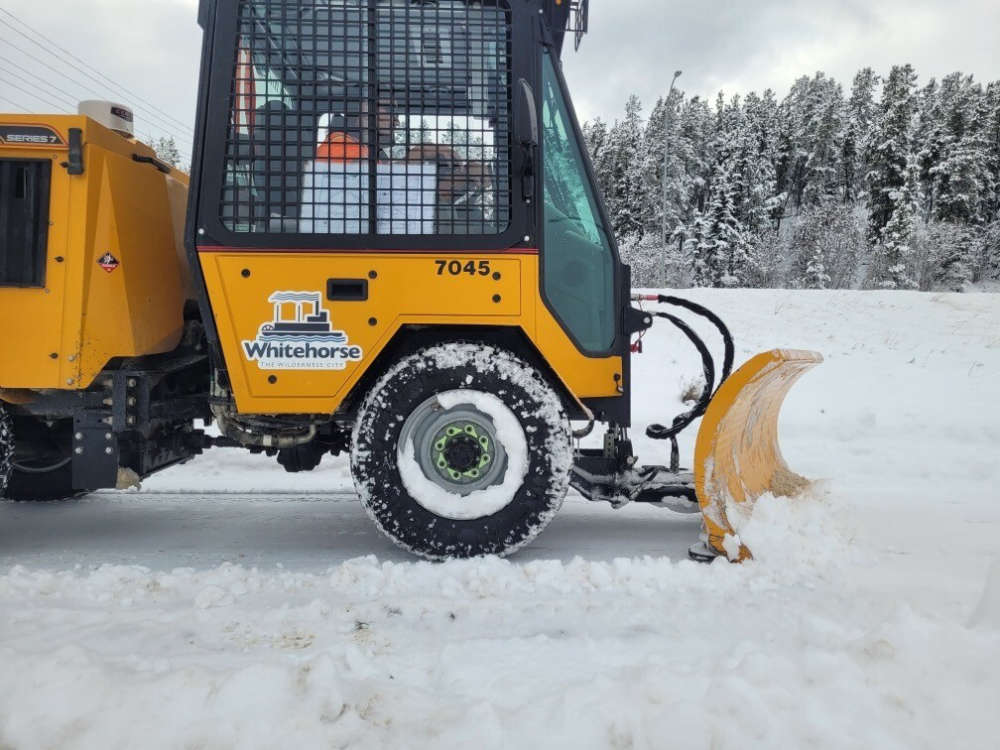 Hamilton Boulevard trail cleared as winter pilot project wraps up
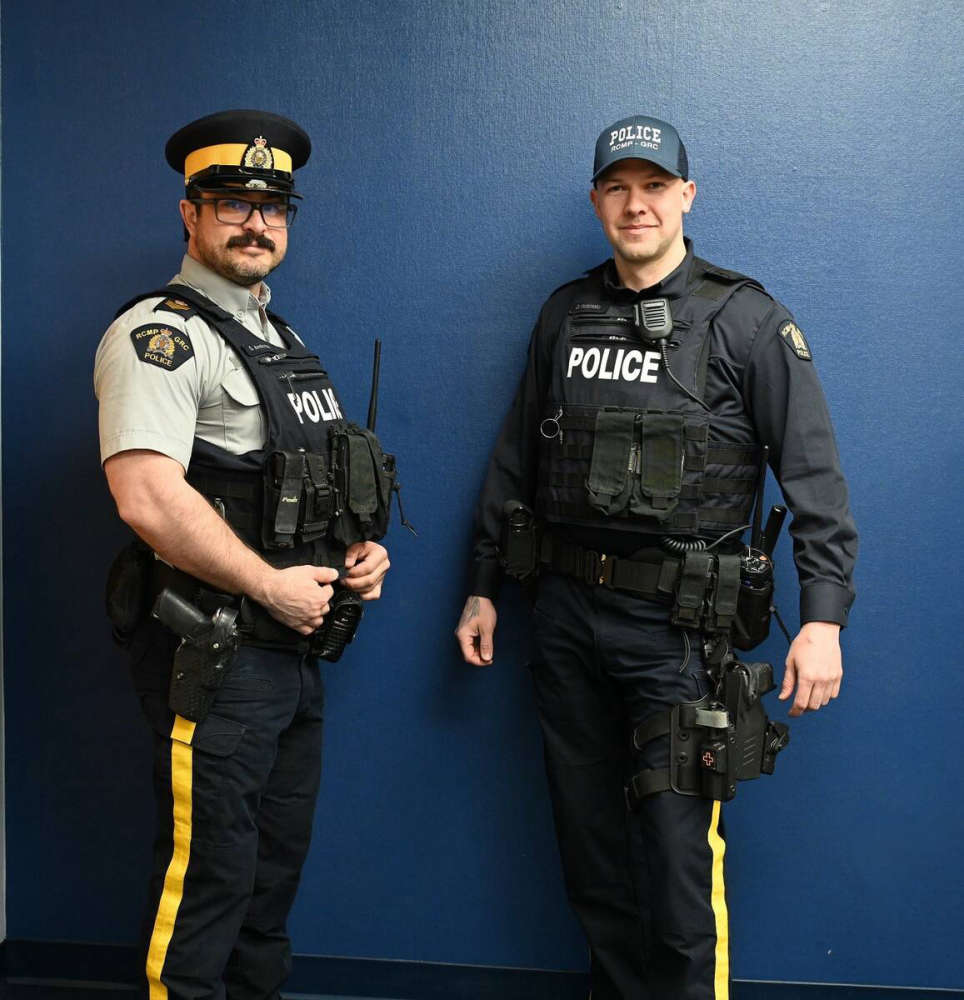 Yukon RCMP roll out new navy-blue uniform shirts
 Yukon releases final flood maps for Dawson, Klondike Valley, Upper Liard
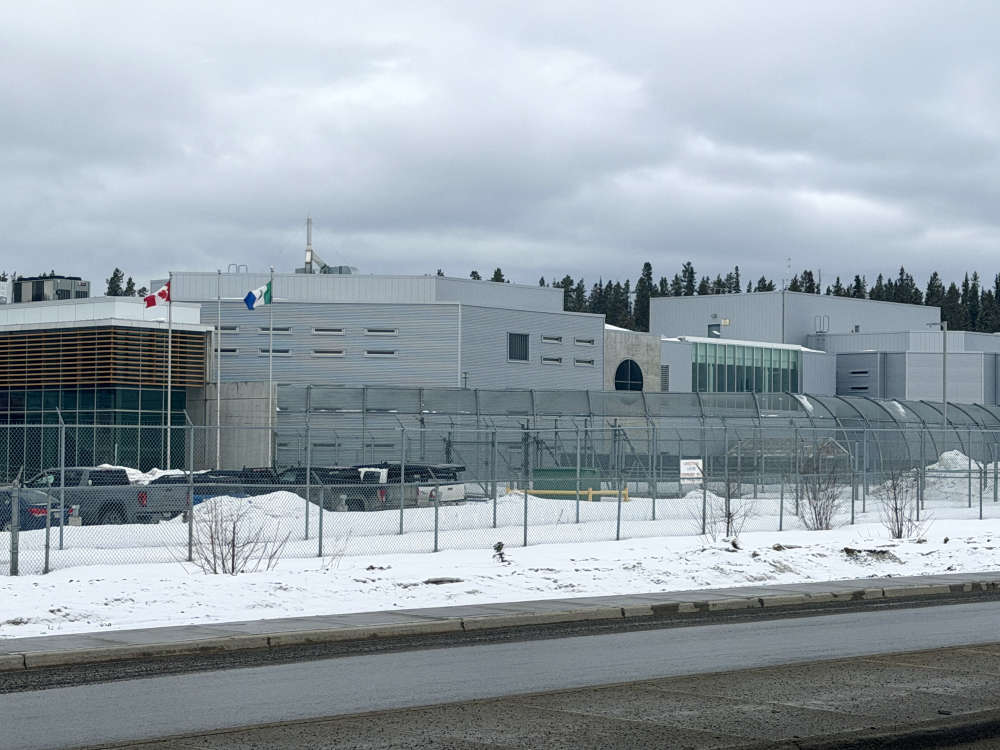 Inquest into the death of Manui Roux to be held in Whitehorse
 Yukon municipalities to receive record $30 million in funding
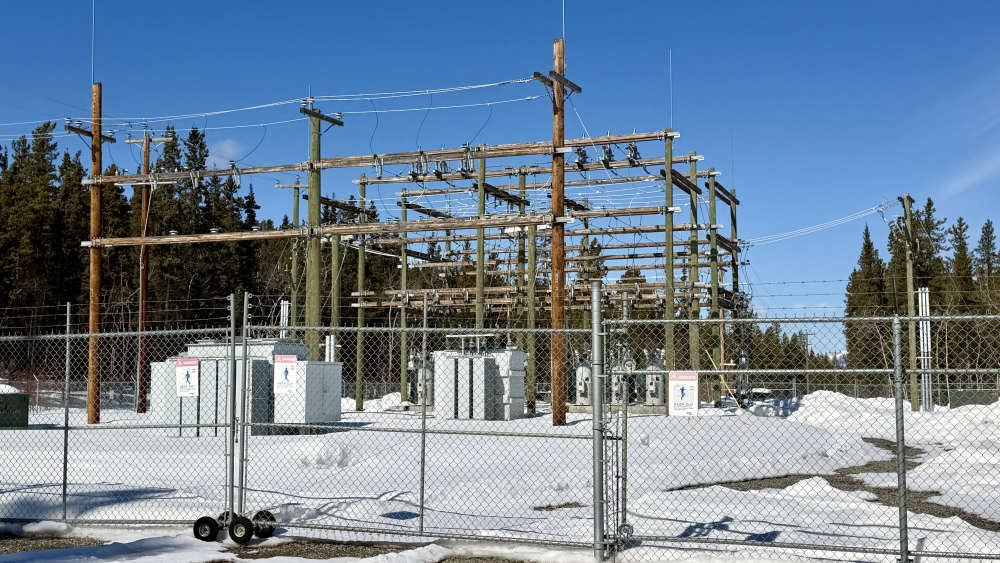 Yukon expands winter electricity relief for residents
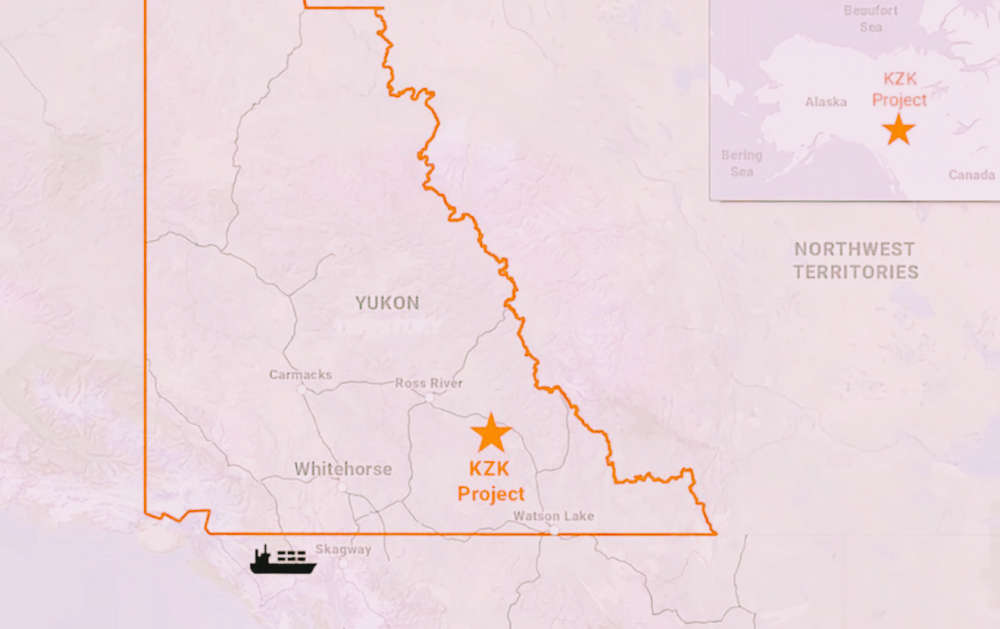 Ross River Dena Council says 'no' to proposed mining on its traditional territory
 LSCFN stands firm: 'No mining in the Breadbasket'
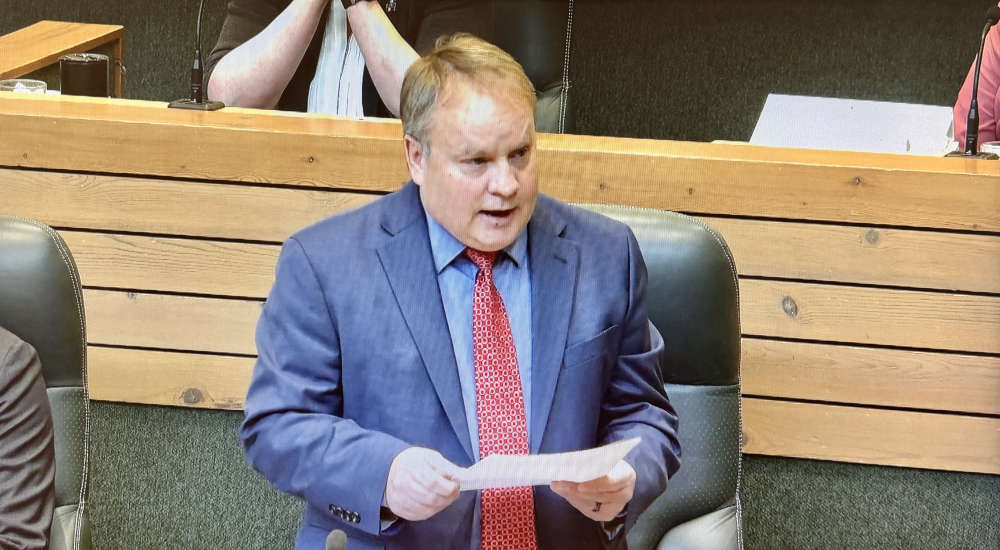 Yukon Government accepts responsibility for abuse at Jack Hulland Elementary
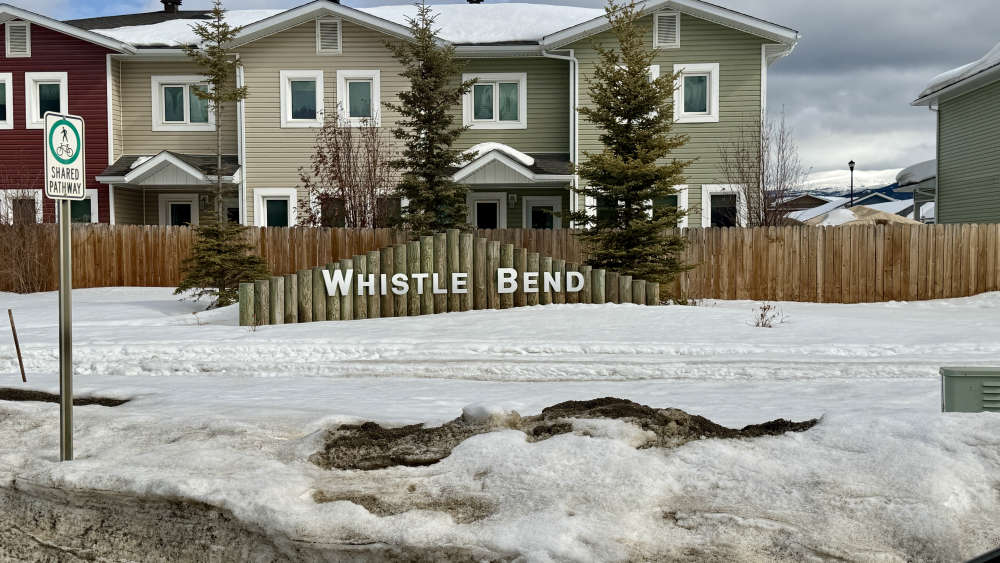 Whistle Bend road connector project gets $8.7M boost from federal government
 Yukon Government signs deal with Alliance Health for primary care clinic
 Man Missing in Whitehorse: Reuben van Klaveren Sought by RCMP