


Dry conditions may cause gradual increased threat in coming weeks.
Natural Resources Canada is forecasting an average wildfire season for much of the country this year.
Researchers say dry conditions and low precipitation in areas of Alberta, British Columbia, southern Yukon and the Northwest Territories may cause a gradual increase in fire threat in the coming weeks.
The danger for these areas - which include forests, shrubs and grasslands - is expected to peak in June and taper off later in the summer.
The 10-year average for a season is about 6,000 fires and a burn area of about 25,000 square kilometres.
The Canadian Forest Service warns there have been significant fires in the past under average conditions.
Scientist Kerry Anderson notes the Fort McMurray fire last year happened in what was forecasted to be a below-average season.
(The Canadian Press)
 Independent review panel publishes first status report in Department of Education review
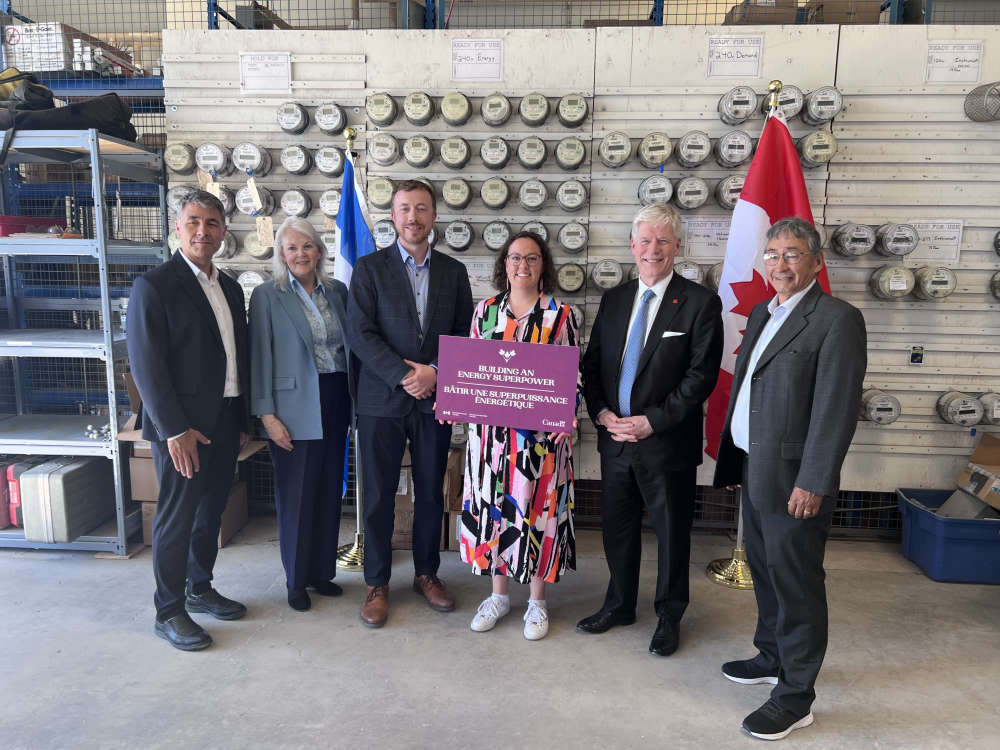 ATCO Electric Yukon Gets $7.5M to Fix Billing Issues with Smart Meters
 Yukon NDP calls on Yukon government to investigate electricity billing concerns
 Youth investment fund supports 13 community projects across Yukon
 FNNND challenges Mayo Dam spillway project over treaty and fish passage concerns
 First Nation of Na-Cho Nyäk Dun youth benefit as mining firms fund mayo school sports
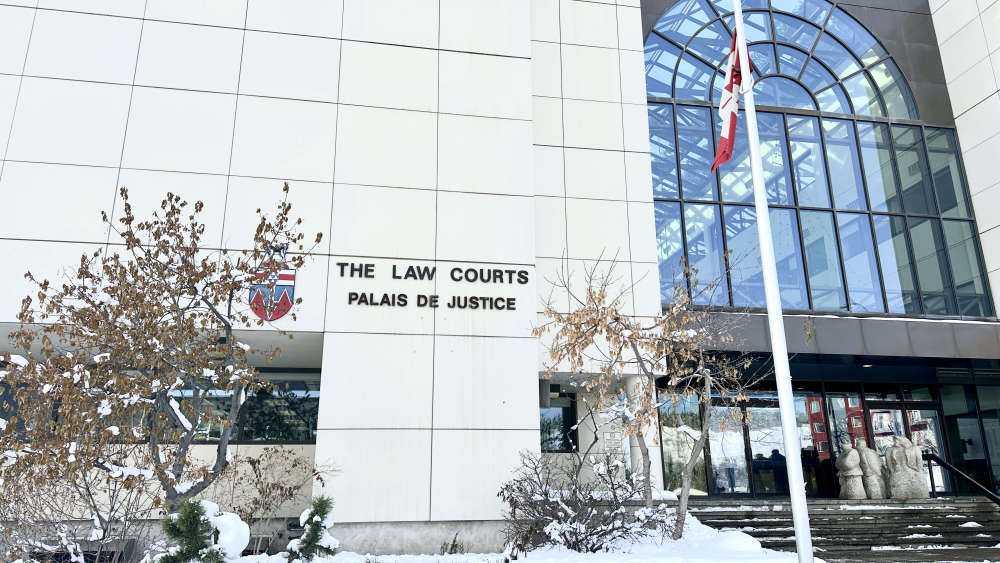 BC man convicted of manslaughter
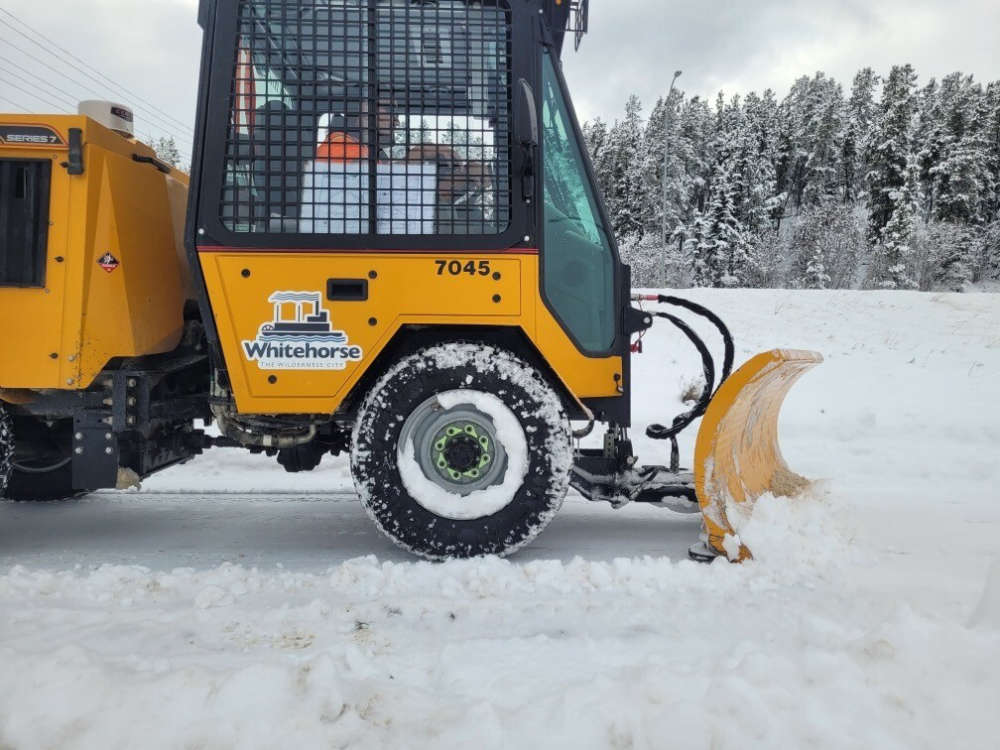 Hamilton Boulevard trail cleared as winter pilot project wraps up
 Yukon RCMP roll out new navy-blue uniform shirts
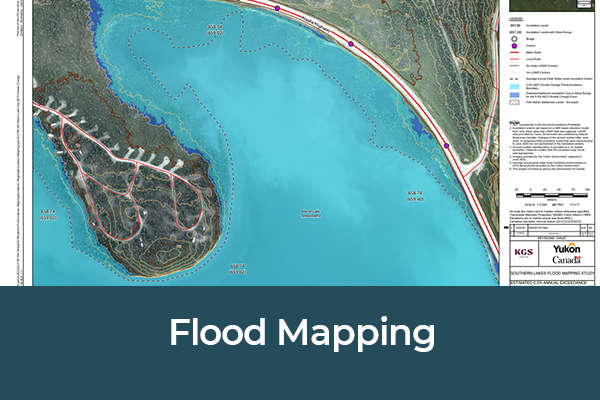 Yukon releases final flood maps for Dawson, Klondike Valley, Upper Liard
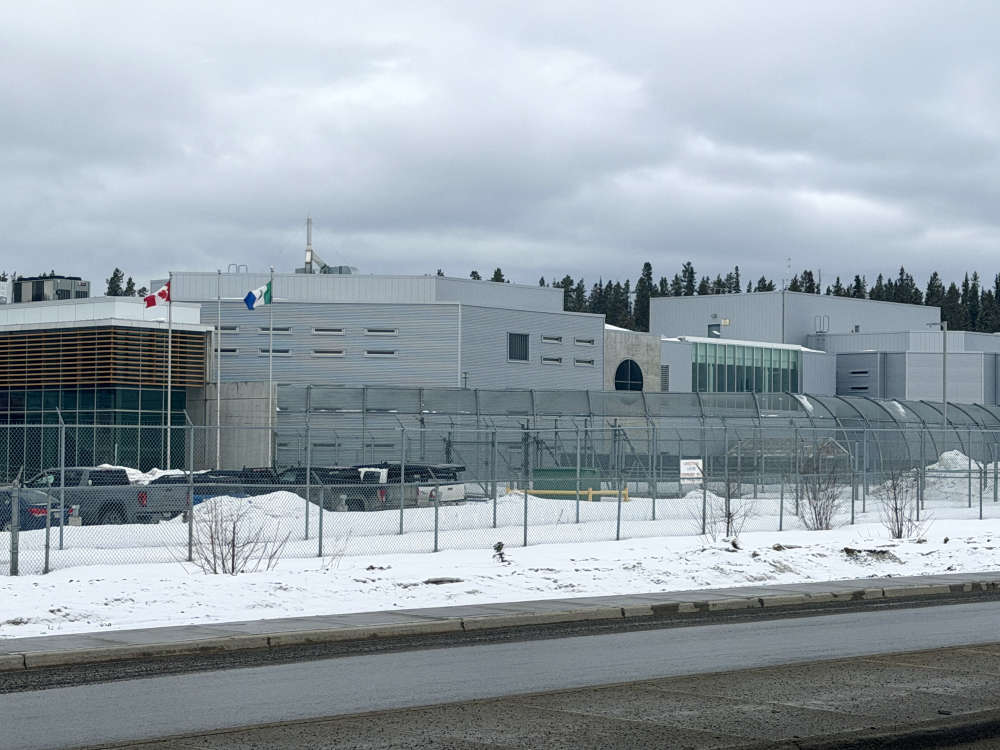 Inquest into the death of Manui Roux to be held in Whitehorse
 Yukon municipalities to receive record $30 million in funding
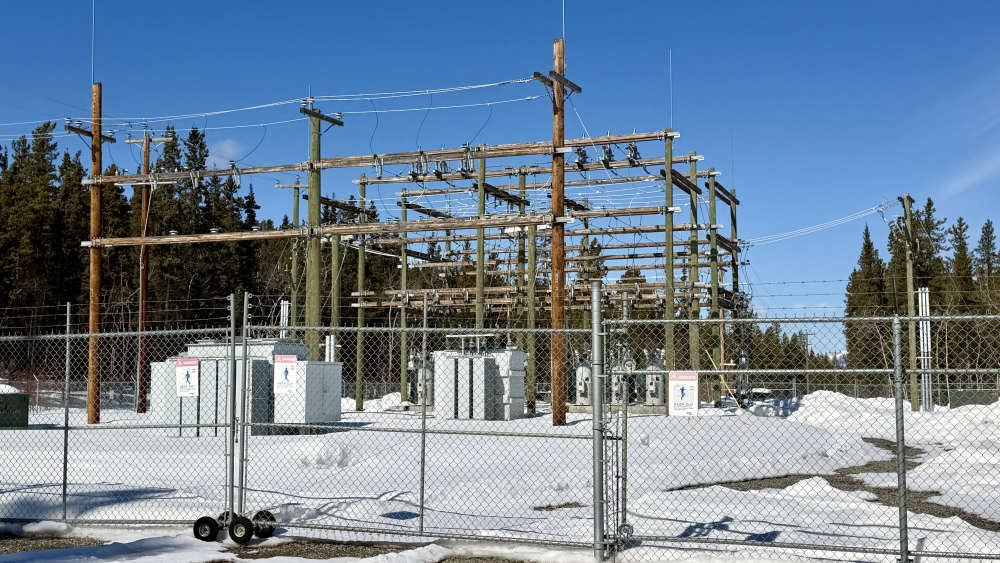 Yukon expands winter electricity relief for residents
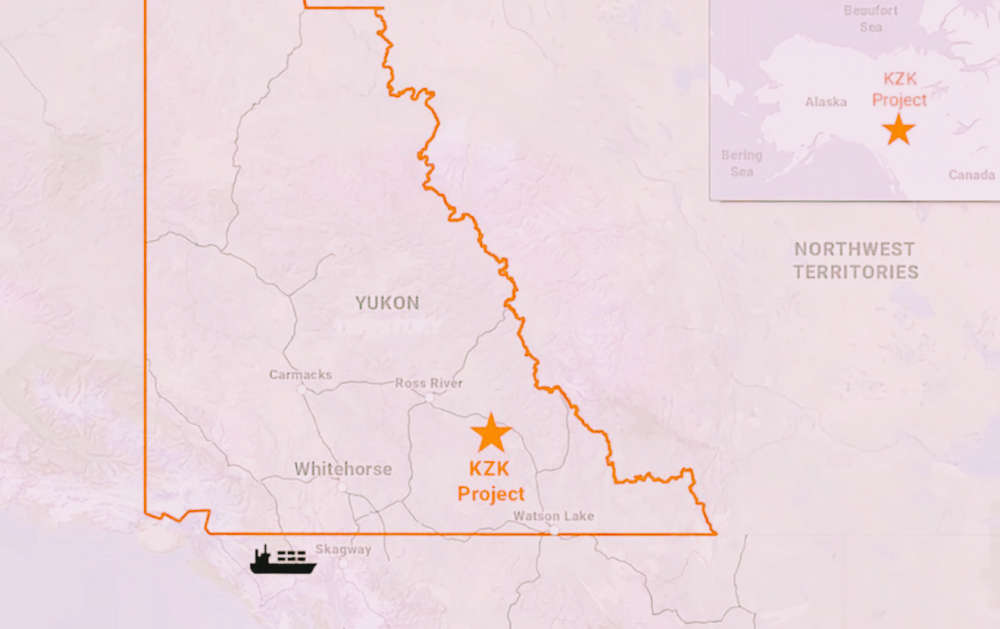 Ross River Dena Council says 'no' to proposed mining on its traditional territory
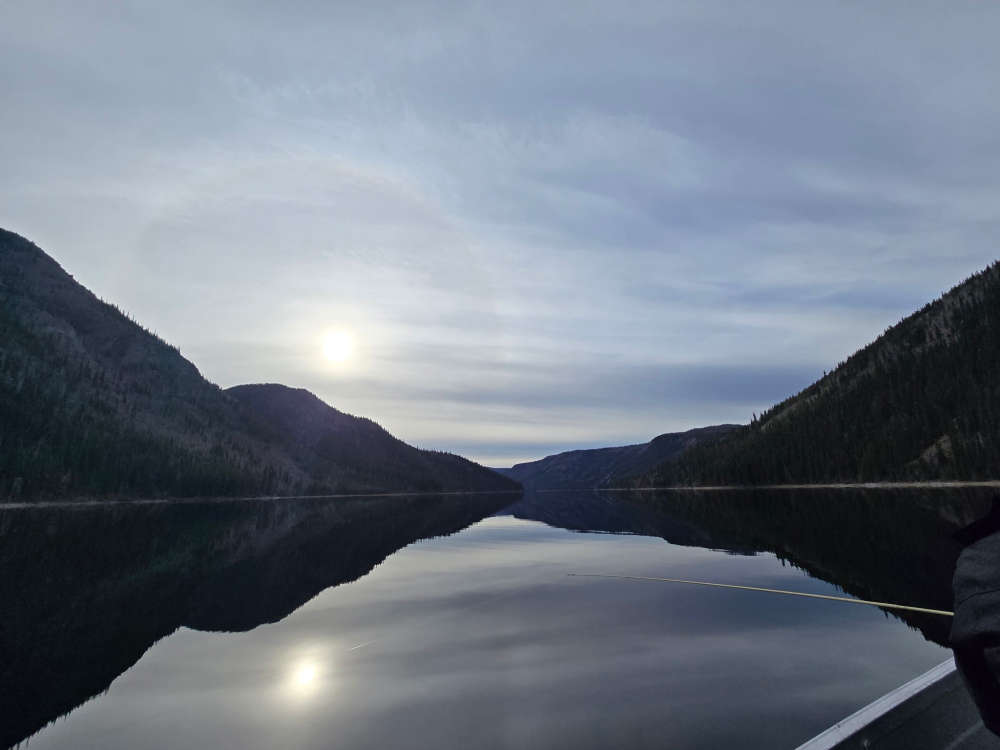 LSCFN stands firm: 'No mining in the Breadbasket'
 Yukon Government accepts responsibility for abuse at Jack Hulland Elementary
 Whistle Bend road connector project gets $8.7M boost from federal government
 Yukon Government signs deal with Alliance Health for primary care clinic
 Man Missing in Whitehorse: Reuben van Klaveren Sought by RCMP