

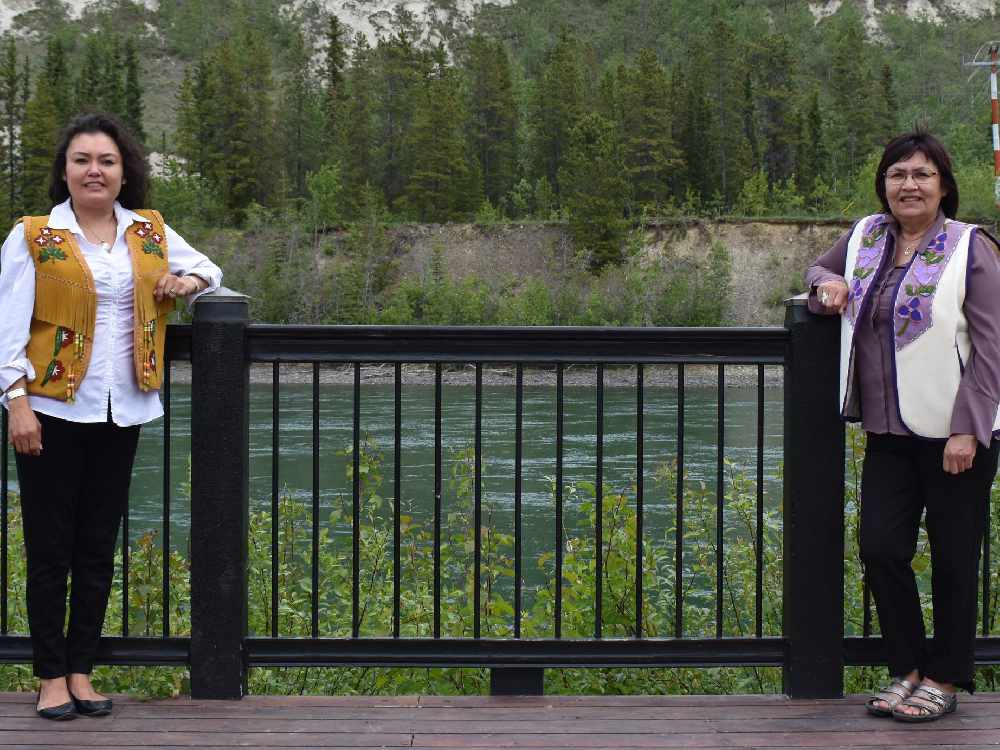
KDFN and TKC Settlement Land has become a destination for more people each year. Both First Nation governments are concerned about the negative impacts future use will have on these important areas.
Ta'an Kwäch'än Council and Kwanlin Dün First Nation are calling on Yukoners and all travelers passing through the Whitehorse and surrounding area to support efforts to protect and preserve the cultural and environmental integrity of First Nation Settlement Lands.
Both First Nations understand Yukoners' desire to be on the land. However, with a growing population in the Whitehorse area, KDFN and TKC Settlement Land has become a destination for more people each year. These lands are increasingly used for hiking, camping, dog walking, biking, wildlife viewing, off-road vehicle use and many other recreational pursuits.
Due to the present COVID-19 regulations, both TKC and KDFN lands staff are recording a significant increase to the number of people utilizing Settlement Lands for recreational purposes. Because Whitehorse serves as a busy hub for Yukoners, travelers passing through to Alaska, and British Colombia residents who are now able to enter the Yukon freely, both First Nation governments are concerned of the negative impacts future use will have on these important areas.
The key areas of concern for KDFN and TKC Settlement Lands include:
Unauthorized usage, vandalism and destruction of cultural sites, including traditional family cabins and camp sites.
Unauthorized structures, and the creation of trail obstructions and cutting of trees.
Unauthorized trail development and road network development.
Social media promotion of specific wildlife viewing sites.
Increased pet waste, litter and dumping.
General environmental and habitat degradation.
A general lack of awareness by the general public about First Nation land management practices.
Ta'an Kwäch'än Council and Kwanlin Dün First Nation are asking members of the public to refrain from using Settlement Land sites in order to allow the land, water, and wildlife populations time to heal. Both First Nations will be increasing patrols and community engagement events focused on areas of concern. If visitors are uncertain if they are using Settlement Land or have questions about land management practises, they are invited to contact KDFN or TKC or consult Settlement Lands maps.
Settlement Lands are protected under both government's land claim legislation to allow TKC and KDFN citizens to oversee these traditional lands to carry out on-the-land activities, protect important harvesting areas and cultural sites and allow for future developments.
Approximately 75 per cent of Yukon's population lives on the shared Traditional Territory of KDFN and TKC.
 Independent review panel publishes first status report in Department of Education review
 ATCO Electric Yukon Gets $7.5M to Fix Billing Issues with Smart Meters
 Yukon NDP calls on Yukon government to investigate electricity billing concerns
 Youth investment fund supports 13 community projects across Yukon
 FNNND challenges Mayo Dam spillway project over treaty and fish passage concerns
 First Nation of Na-Cho Nyäk Dun youth benefit as mining firms fund mayo school sports
 BC man convicted of manslaughter
 Hamilton Boulevard trail cleared as winter pilot project wraps up
 Yukon RCMP roll out new navy-blue uniform shirts
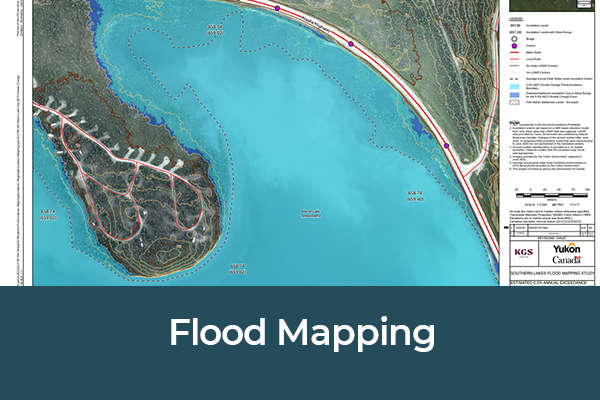 Yukon releases final flood maps for Dawson, Klondike Valley, Upper Liard
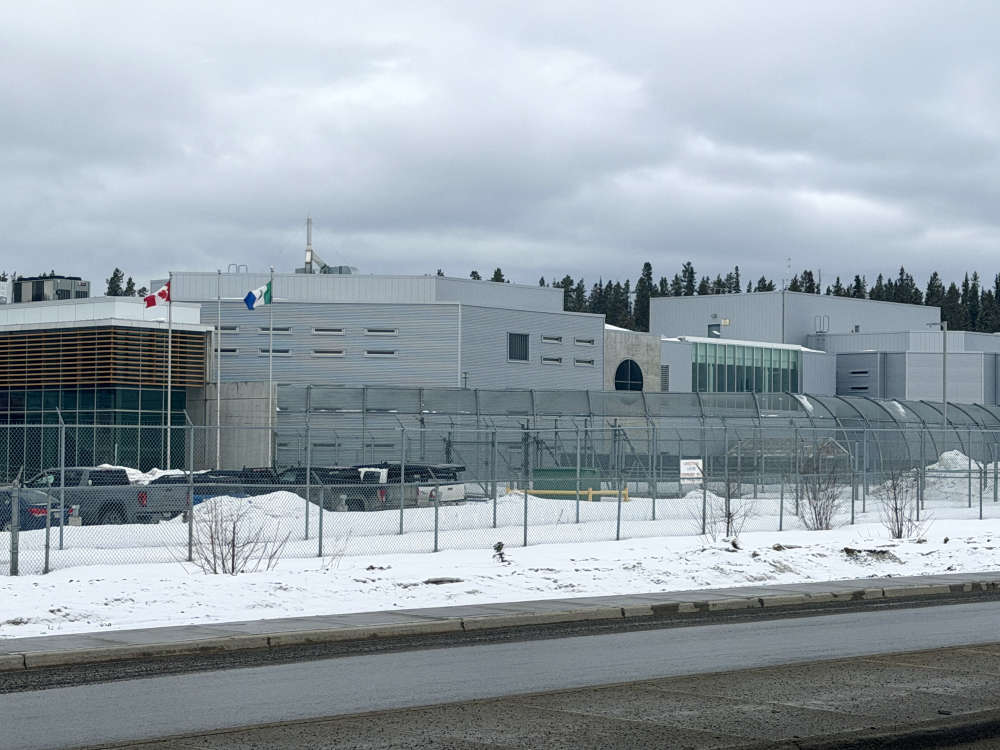 Inquest into the death of Manui Roux to be held in Whitehorse
 Yukon municipalities to receive record $30 million in funding
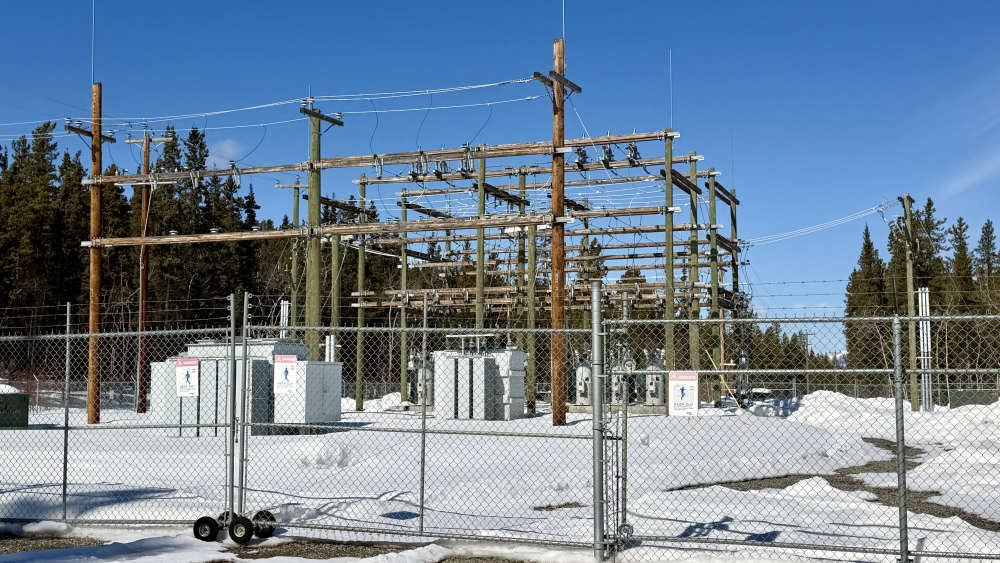 Yukon expands winter electricity relief for residents
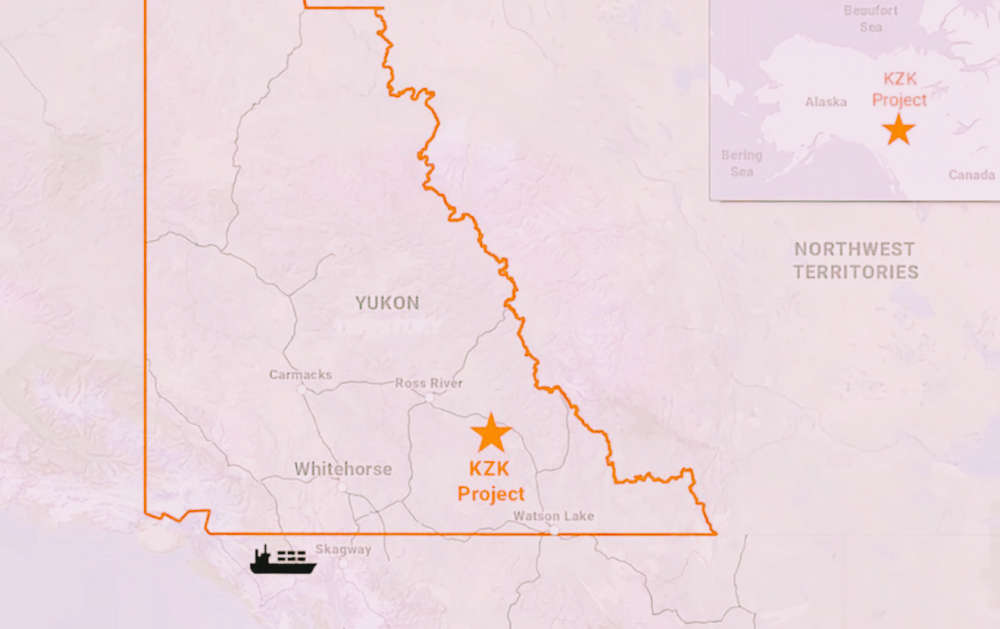 Ross River Dena Council says 'no' to proposed mining on its traditional territory
 LSCFN stands firm: 'No mining in the Breadbasket'
 Yukon Government accepts responsibility for abuse at Jack Hulland Elementary
 Whistle Bend road connector project gets $8.7M boost from federal government
 Yukon Government signs deal with Alliance Health for primary care clinic
 Man Missing in Whitehorse: Reuben van Klaveren Sought by RCMP