



Fire Frogs provide real data on real fires in real time.
Wildland Fire Management has some fancy new equipment. They’re a Yukon invention called Fire Frogs, but they don’t ribbit or eat flies.
“Fire Frogs are little devices that actually get dropped from a helicopter onto the frontlines of a fire and they take readings to tell us what’s happening on the ground,” says Wildland Fire Management Communications Officer Julia Duchesne.
The name is an acronym for Forward Rate of Growth Sensors and the readings they take are temperature and barometric pressure. The devices are the result of a collaboration between Yukon Wildland Fire Management and Yukon’s Advanced Sensor Research. They help to better understand how wildfires behave, which keeps communities safe. The little plastic boxes with big orange parachutes get dropped two at a time, one at the front of the fire, where it is too dangerous to send people, and another where the fire is expected to move. Another device communicates with the frogs via radio waves to get real time data.
“We research fires that are set for research purposes,” says Duchesne.
“There’s a bit of a gap between that and our understanding of what actually happens with a free burning wildfire. The frog is really helping us understand that gap by getting real data on real fires in real time.”
The frogs were successfully deployed for the first time on Sunday on the blaze currently burning in Ta’tla Mun, and they’re already teaching fire scientists new things.
“We actually learned something pretty cool. You’d expect that the Fire Frog would read increasing temperatures and that temperatures would go up and up as the fire got closer, but actually, right before the frog burned and stopped submitting readings, the temperature dropped a little bit,” says Duchesne.
“Our hypothesis is that as the fire burns, it pulls in cooler air from in front of it.”
Duchesne says the Yukon is the only place with Fire Frogs but they would like to see the greater fire fighting community put them to use.
The frogs are already a useful tool, but they could become even more handy, Duchesne says they hope to tweak them in the future to read humidity and composition of gases in the air.
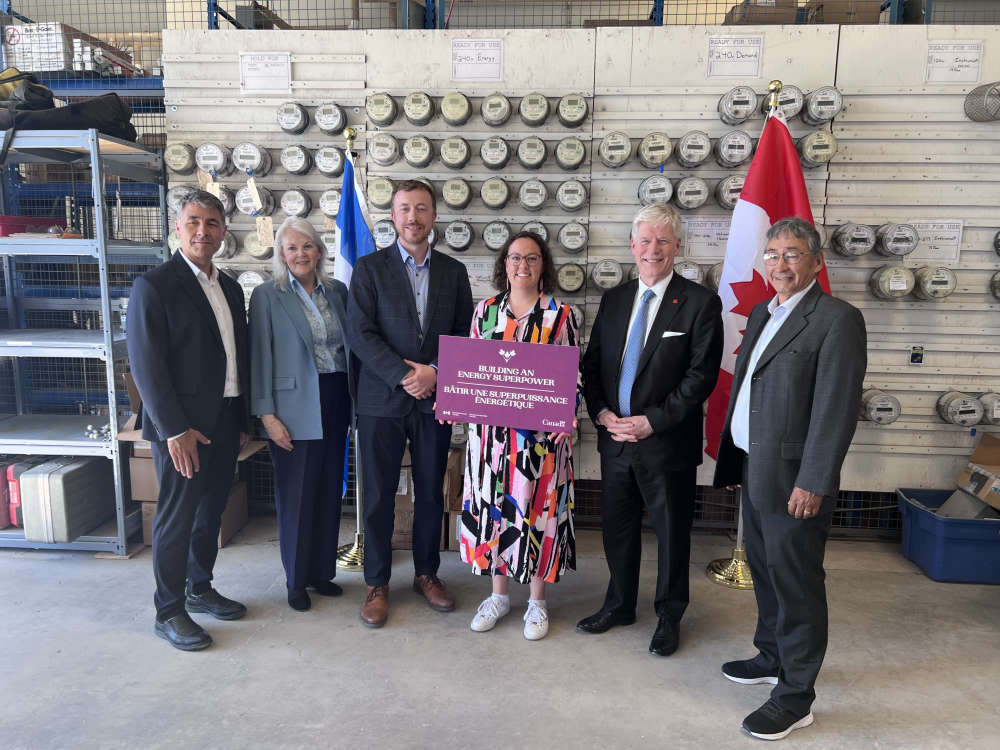 ATCO Electric Yukon Gets $7.5M to Fix Billing Issues with Smart Meters
 Yukon NDP calls on Yukon government to investigate electricity billing concerns
 Youth investment fund supports 13 community projects across Yukon
 FNNND challenges Mayo Dam spillway project over treaty and fish passage concerns
 First Nation of Na-Cho Nyäk Dun youth benefit as mining firms fund mayo school sports
 BC man convicted of manslaughter
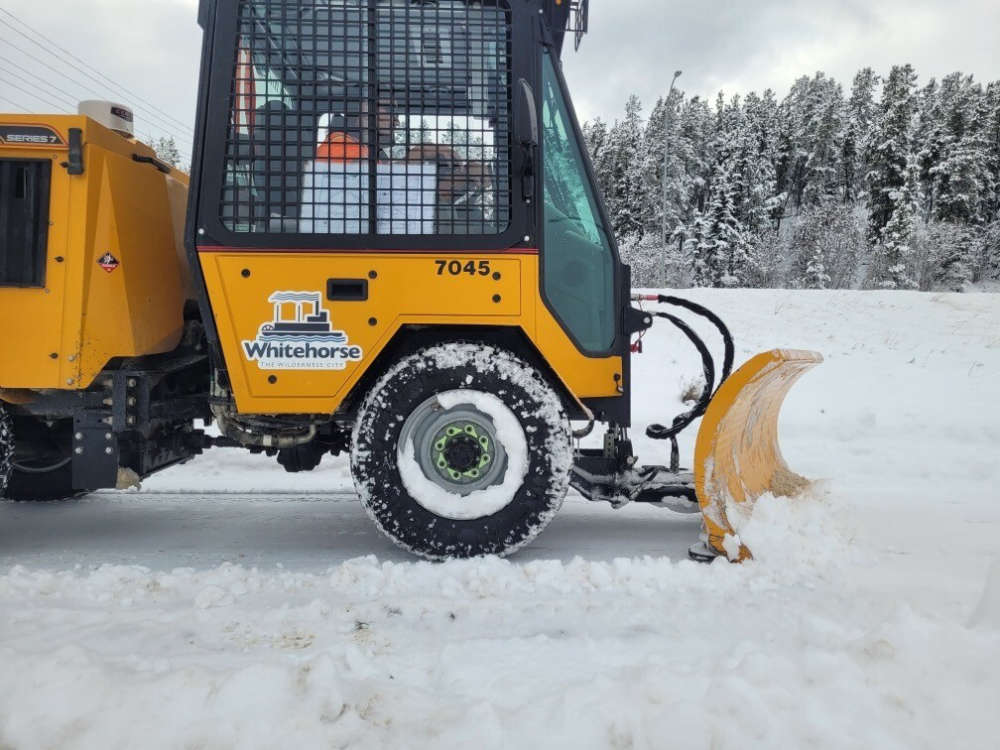 Hamilton Boulevard trail cleared as winter pilot project wraps up
 Yukon RCMP roll out new navy-blue uniform shirts
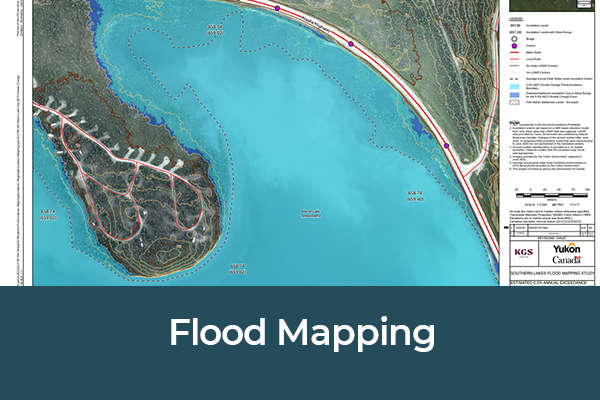 Yukon releases final flood maps for Dawson, Klondike Valley, Upper Liard
 Inquest into the death of Manui Roux to be held in Whitehorse
 Yukon municipalities to receive record $30 million in funding
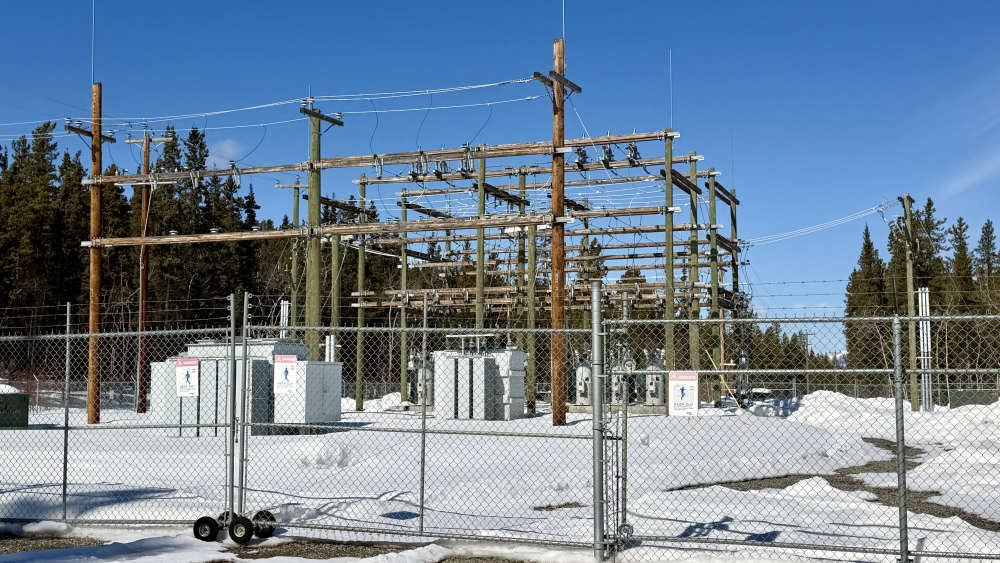 Yukon expands winter electricity relief for residents
 Ross River Dena Council says 'no' to proposed mining on its traditional territory
 LSCFN stands firm: 'No mining in the Breadbasket'
 Yukon Government accepts responsibility for abuse at Jack Hulland Elementary
 Whistle Bend road connector project gets $8.7M boost from federal government
 Yukon Government signs deal with Alliance Health for primary care clinic
 Man Missing in Whitehorse: Reuben van Klaveren Sought by RCMP
 Yukon Government passes health authority act amendment amidst first nations concerns