



Daylight saving time (DST) has been part of Canada for a long time. In fact, Port Arthur, Ontario (now Thunder Bay) was the first municipality in the world to enact DST way back in 1908. But now it’s looking like the Yukon may be taking steps to end the decades old practice.
On November 4, the Yukon party tabled legislation that would grant the government power to end the practice of DST in the territory after a legally mandated 60-day consultation. The legislation, titled, Act to Eliminate Daylight Saving Time would give the government the authority to set standard time, and as a result, allow them to end the practice of DST. The actions of the Yukon Party follow suit with British Columbia, that introduced similar legislation just last week. Before tabling the legislation, the government of British Columbia held a consultation process that found 93 percent of respondents in favour of eliminating DST.
Daylight Saving Time was first proposed in 1895, and started seeing actual implementation in the early 1900’s. By changing the hours on the clock, it is possible to gain an extra hour of sunlight after work or school, however it can also cause complications in time keeping and disrupt sleep patterns. Additionally, in high latitude regions, such as the Yukon, DST has little effect given the extreme variation in sunlight hours we already receive. Given how quickly the days start getting shorter north of 60, the benefits of DST are limited in the far north. Indeed, several Canadian regions have already shunned the practice, including most of Saskatchewan, that made the switch back in 1966.
The move to eliminate the practice has been under consideration in the Yukon for some time. In May 2017, the Association of Yukon Communities passed a motion recommending the Government of Yukon to determine if there was a case for ending the practice. In 2018 the Yukon Party requested the liberals to consult Yukoners on the possibility of eliminating DST. Now with British Columbia and the Pacific U.S. considering making the change, Yukon is looking at its clocks once more.
The proposed legislation would require the Yukon government to hold public consultations for at least 60 days before the Act can come into force. The consultations give Yukoners an option asking: “Do you want the Yukon to eliminate the time change? And if so, do you want the Yukon to stay on Pacific Standard Time, or do you want to spring forward one hour, and use that as our new standard time?”
 Independent review panel publishes first status report in Department of Education review
 ATCO Electric Yukon Gets $7.5M to Fix Billing Issues with Smart Meters
 Yukon NDP calls on Yukon government to investigate electricity billing concerns
 Youth investment fund supports 13 community projects across Yukon
 FNNND challenges Mayo Dam spillway project over treaty and fish passage concerns
 First Nation of Na-Cho Nyäk Dun youth benefit as mining firms fund mayo school sports
 BC man convicted of manslaughter
 Hamilton Boulevard trail cleared as winter pilot project wraps up
 Yukon RCMP roll out new navy-blue uniform shirts
 Yukon releases final flood maps for Dawson, Klondike Valley, Upper Liard
 Inquest into the death of Manui Roux to be held in Whitehorse
 Yukon municipalities to receive record $30 million in funding
 Yukon expands winter electricity relief for residents
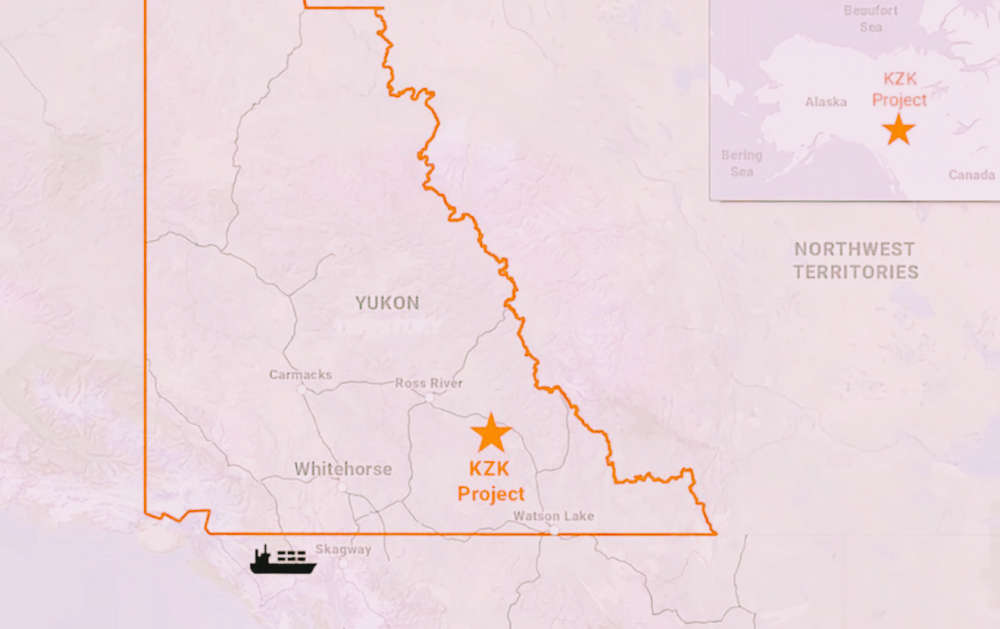 Ross River Dena Council says 'no' to proposed mining on its traditional territory
 LSCFN stands firm: 'No mining in the Breadbasket'
 Yukon Government accepts responsibility for abuse at Jack Hulland Elementary
 Whistle Bend road connector project gets $8.7M boost from federal government
 Yukon Government signs deal with Alliance Health for primary care clinic
 Man Missing in Whitehorse: Reuben van Klaveren Sought by RCMP