



Bill C-83 will reform many correctional practices, including solitary confinement.
On June 14th, 2019, the Senate passed Bill C-83 titled 'An Act to amend the Corrections and Conditional Release Act.' The Bill covers several issues on the subject of correctional facilities such as: ending solitary confinement, providing less invasive alternatives to physical searches, ensuring inmates have regular access to inmate advocacy services, and ensuring the Correctional Service of Canada considers systemic and background factors unique to Indigenous inmates in decision-making.
In a press release, the Congress of Aboriginal Peoples says they're pleased at the passing of Bill C-83. Vice Chief Kim Beaudin said "Although the passing of Bill C-83 is an important step, there is a tremendous amount of work that must be started immediately on the over representation of our people in prisons"
Indigenous inmates represent 30% of the federal prison population, with Indigenous women representing 44% of female federal inmates. These percentages are inordinately high considering the percentage of people in Canada who are Indigenous is only 4.3%.
The main focus of Bill C-83 is the ending of solitary confinement. Currently, inmates in solitary confinement are only allowed two hours out of their cell each day and do not have lengthy or meaningful contact with other inmates. Those in solitary confinement also do not have regular access to programming or mental-health services. The parliamentary budget office recently released statistics which show the average amount of inmates in solitary confinement ranges from 360-434.
The Bill stems from the case of Ashley Smith who, in 2007, committed suicide while in solitary confinement via strangulation despite being on suicide watch. As she committed suicide, two guards stood outside her cell and watched. The guards were ordered by senior staff not to enter her cell while she was still breathing. Leading up to her death, Ashley had spent over 1,000 days in solitary confinement. In 2013, the official coroners report ruled Smith's death a homicide. The coroner also made 104 recommendations to improve the solitary confinement practices. Bill C-83 is modeled after those recommendations.
According to Bill C-83, after June 17th, solitary confinement will no longer be legal, and will be replaced with what the government is calling 'structured intervention units.' Inmates in these units will be allowed four hours out of their cell each day, with two hours of guaranteed meaningful interaction with other inmates. Inmates in these units will also be visited by health professionals daily to ascertain their mental and physical health needs.
Some correctional facilities across Canada have already replaced their solitary confinement protocols with the structured intervention units, with more facilities joining them each day.
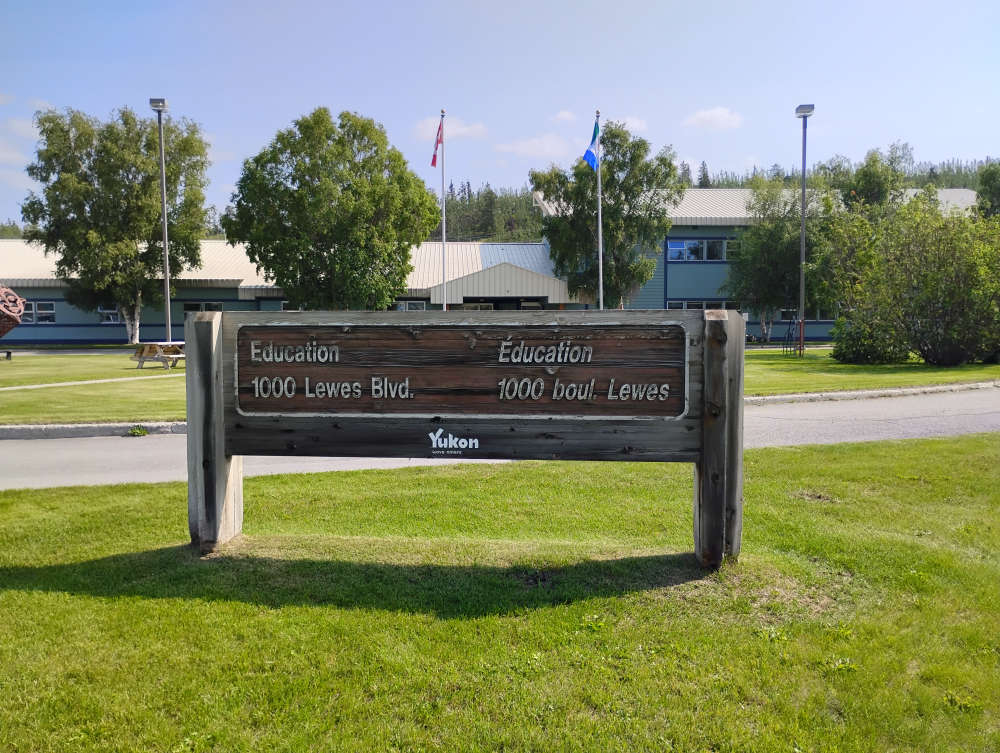 Independent review panel publishes first status report in Department of Education review
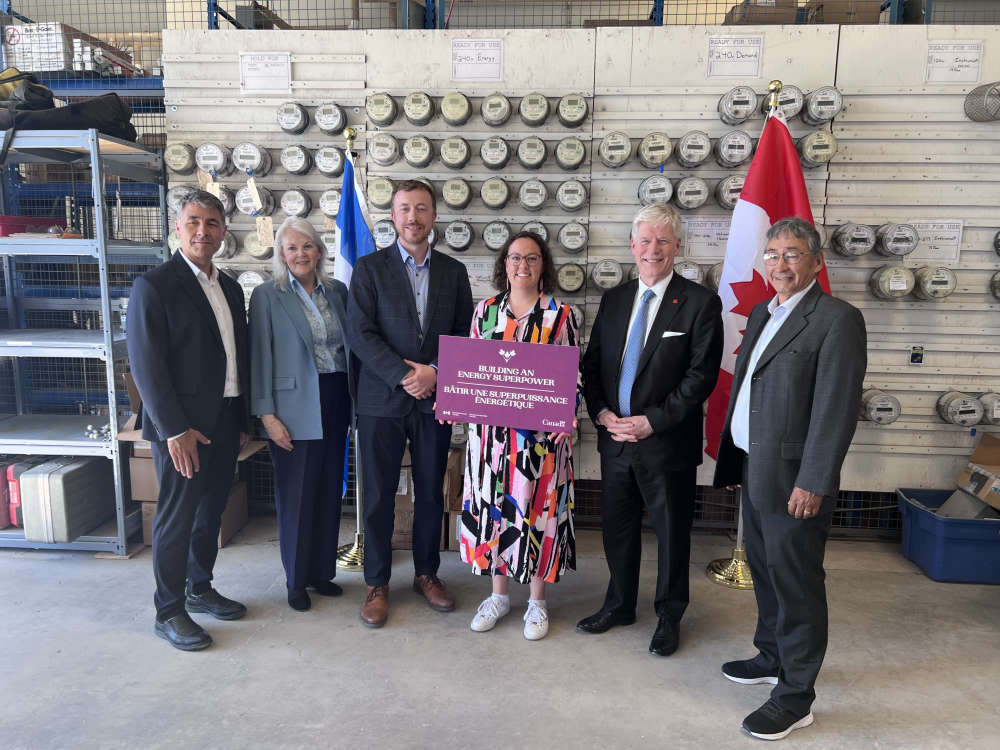 ATCO Electric Yukon Gets $7.5M to Fix Billing Issues with Smart Meters
 Yukon NDP calls on Yukon government to investigate electricity billing concerns
 Youth investment fund supports 13 community projects across Yukon
 FNNND challenges Mayo Dam spillway project over treaty and fish passage concerns
 First Nation of Na-Cho Nyäk Dun youth benefit as mining firms fund mayo school sports
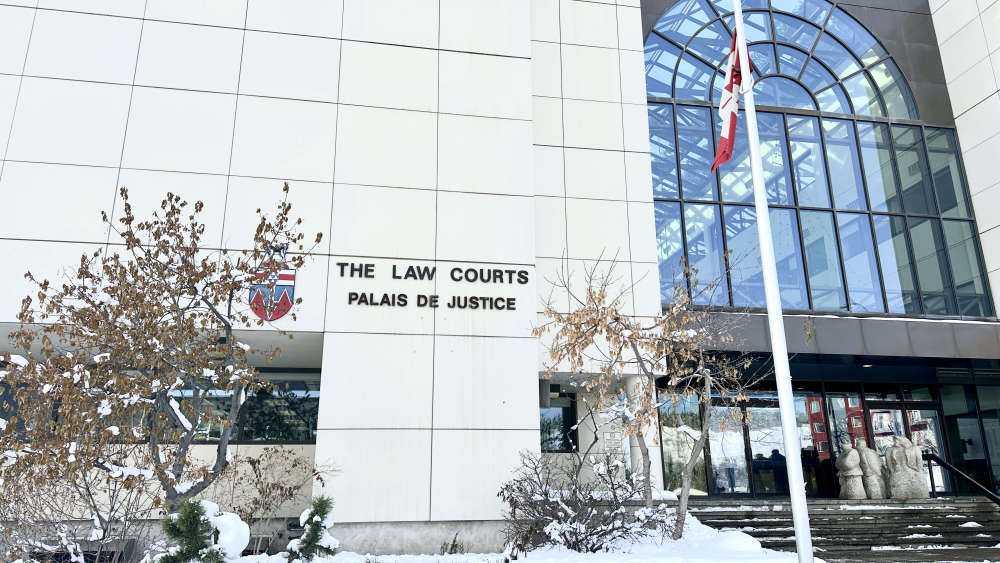 BC man convicted of manslaughter
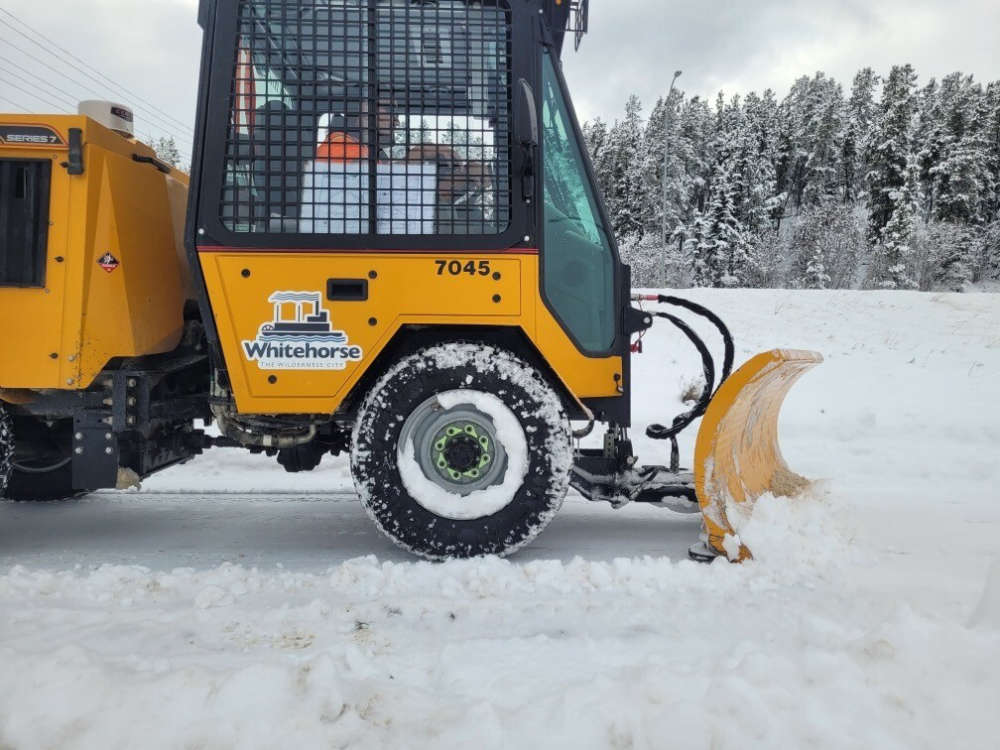 Hamilton Boulevard trail cleared as winter pilot project wraps up
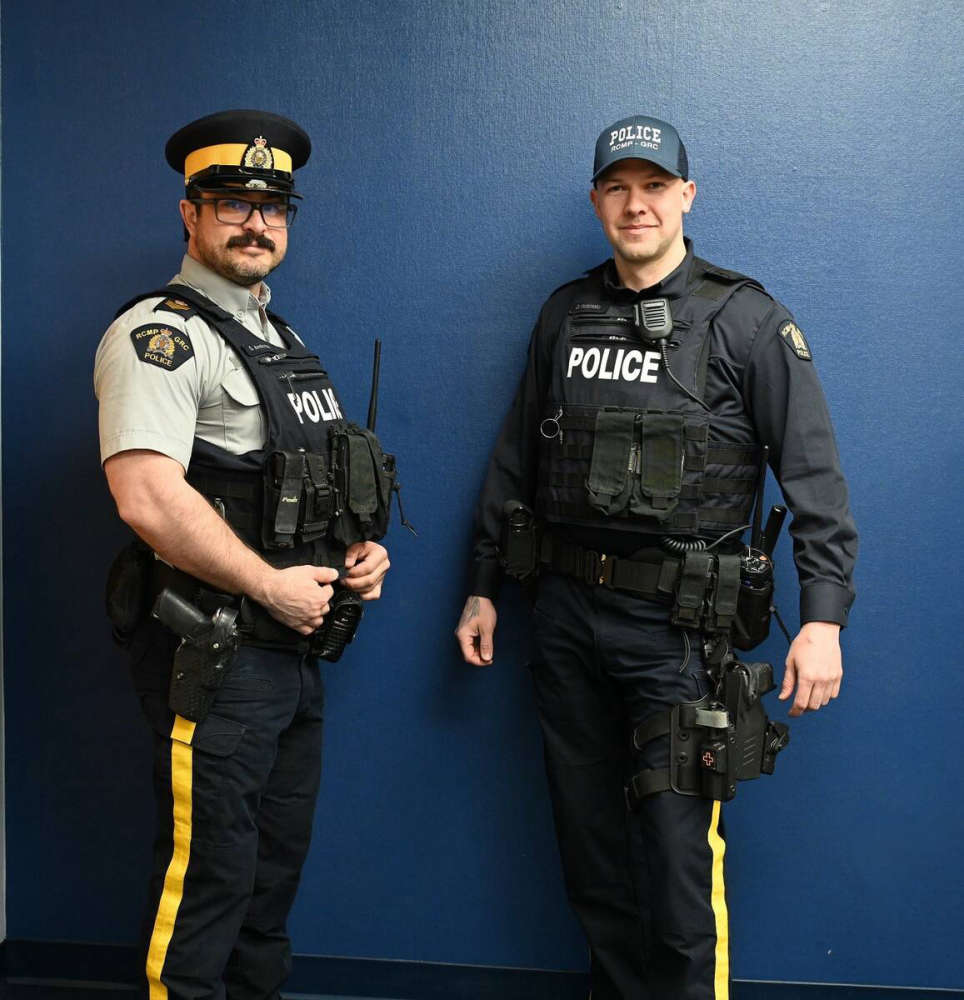 Yukon RCMP roll out new navy-blue uniform shirts
 Yukon releases final flood maps for Dawson, Klondike Valley, Upper Liard
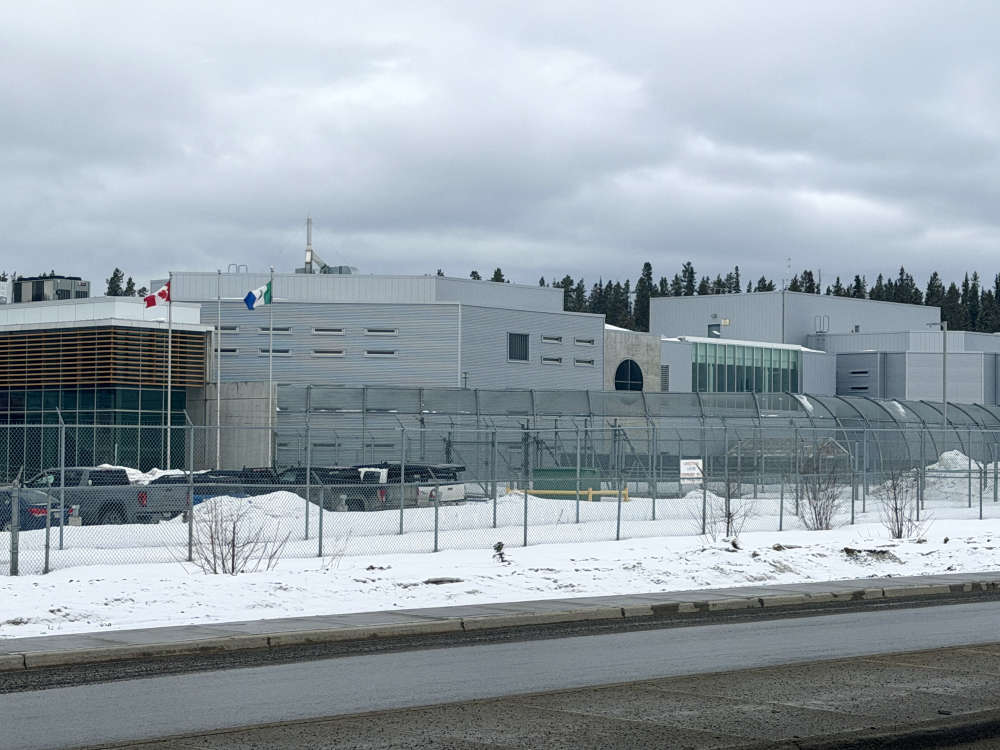 Inquest into the death of Manui Roux to be held in Whitehorse
 Yukon municipalities to receive record $30 million in funding
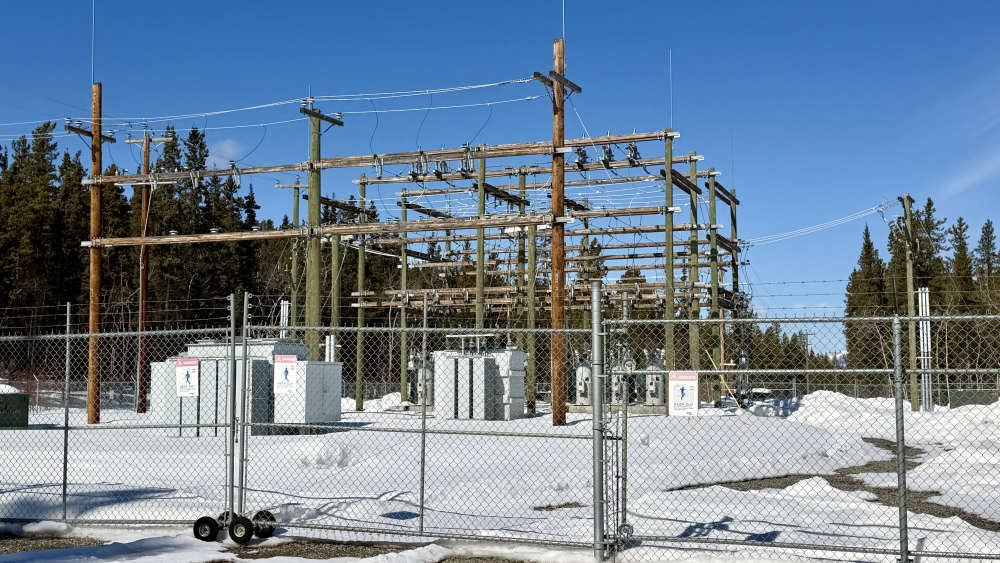 Yukon expands winter electricity relief for residents
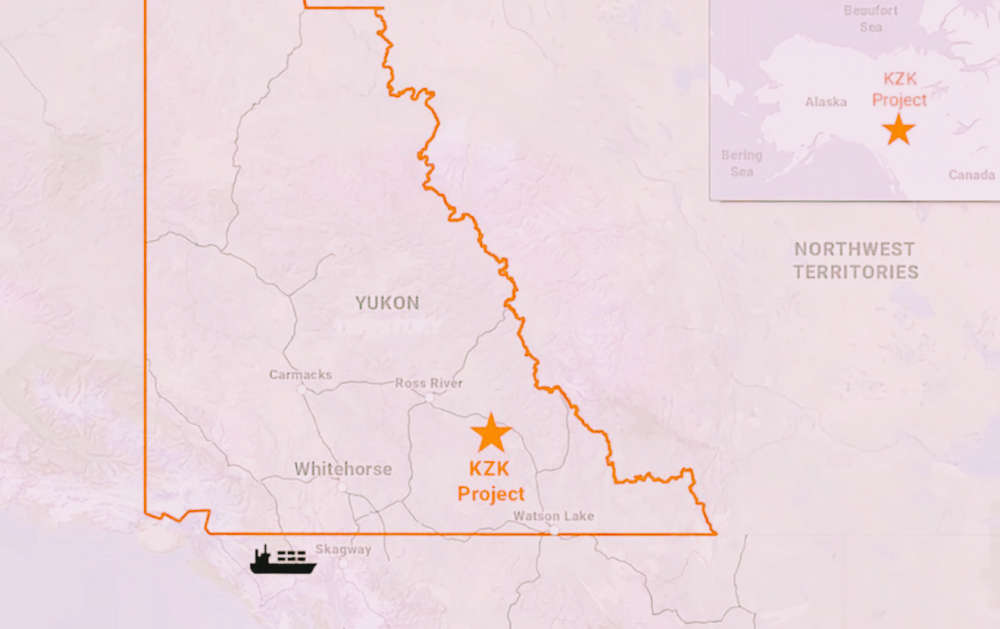 Ross River Dena Council says 'no' to proposed mining on its traditional territory
 LSCFN stands firm: 'No mining in the Breadbasket'
 Yukon Government accepts responsibility for abuse at Jack Hulland Elementary
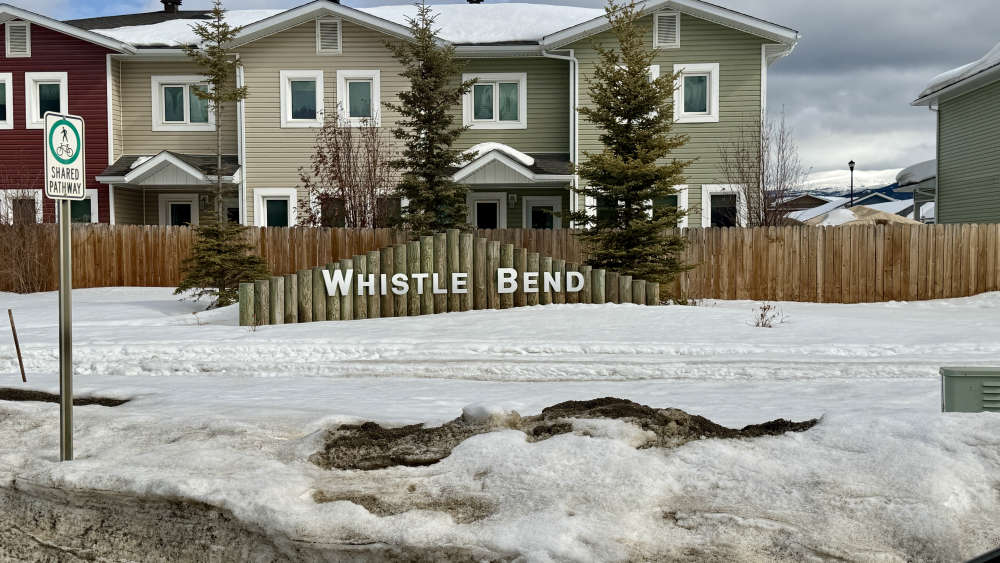 Whistle Bend road connector project gets $8.7M boost from federal government
 Yukon Government signs deal with Alliance Health for primary care clinic
 Man Missing in Whitehorse: Reuben van Klaveren Sought by RCMP