
Feds put moratorium on transfer cuts on OSR for three years.
Yukon Self-Governing First Nations will now not see a reduction in federal transfers due to their own-source revenues. The First Nations and Ottawa are negotiating a framework agreement and have agreed to a moratorium over the next three years. The current policy sees transfers to support the self-government agreements are offset by a portion of the First Nations own-source revenues.
Federal Indigenous Affairs Minister Carolyn Bennett called the policy a “claw back,” which his hurting First Nations and their businesses. Council of Yukon First Nations Grand Chief Peter Johnston says, “the suspension will allow for the much-required financial resources to remain in the communities and assist with implementation of the agreements.”
The moratorium took effect on April 1, 2017 and pertains to revenues that a government raises by collecting taxes and resource revenues or by generating business and other income.
Carcross Tagish First Nation Kha Shade Heni (Chief) Andy Carvill says his First Nation plans on using the additional revenues to reinvest into cultural programs. “Assist us with bringing back our heritage and culture. We really want to focus in on our children, our youth, our languages. We feel really strongly that this is going to help us move forward with respect to revitalizing our culture.”
Bennett says the current policy was getting in the way of negotiating a new fiscal arrangement. “The reason own-source revenue was viewed as more than an irritant but a perverse incentive, when you are in the business of closing the gaps in socio-economic [areas], it was a claw back. For us to get that out of the way while we negotiate a new way of going about business was really, really important into having meaningful conversations at that table.”
Bennett says the government and First Nations are looking to strike a new policy, which will also provide flexibility to unique circumstances of each self-governing First Nation.
Johnston called the moratorium a good first step. “Its a good incentive for us to continue these negotiations.”
Yukon First Nations are expected to see an additional $4 million-$5 million in revenue returned annually. Self-governing First Nations in British Columbia with greater own-source revenues will be impacted more, as they will be able to keep a more of their revenues.
(Dan Jones June 28, 2017)
 Independent review panel publishes first status report in Department of Education review
 ATCO Electric Yukon Gets $7.5M to Fix Billing Issues with Smart Meters
 Yukon NDP calls on Yukon government to investigate electricity billing concerns
 Youth investment fund supports 13 community projects across Yukon
 FNNND challenges Mayo Dam spillway project over treaty and fish passage concerns
 First Nation of Na-Cho Nyäk Dun youth benefit as mining firms fund mayo school sports
 BC man convicted of manslaughter
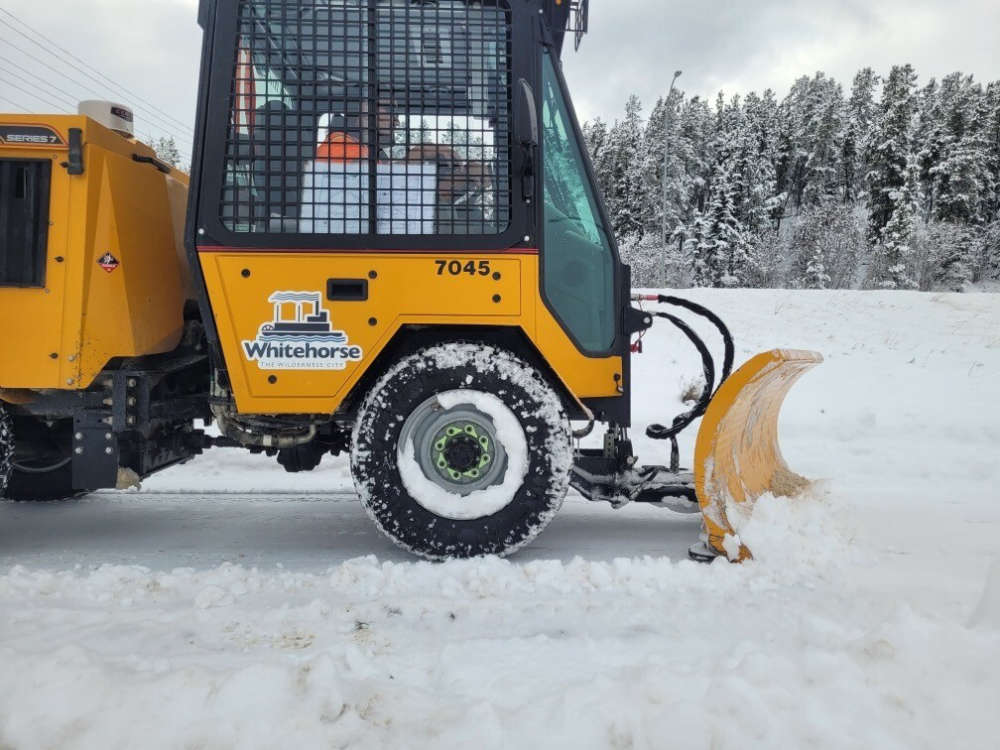 Hamilton Boulevard trail cleared as winter pilot project wraps up
 Yukon RCMP roll out new navy-blue uniform shirts
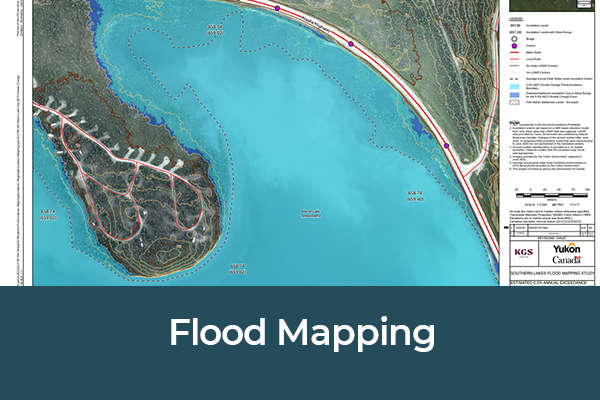 Yukon releases final flood maps for Dawson, Klondike Valley, Upper Liard
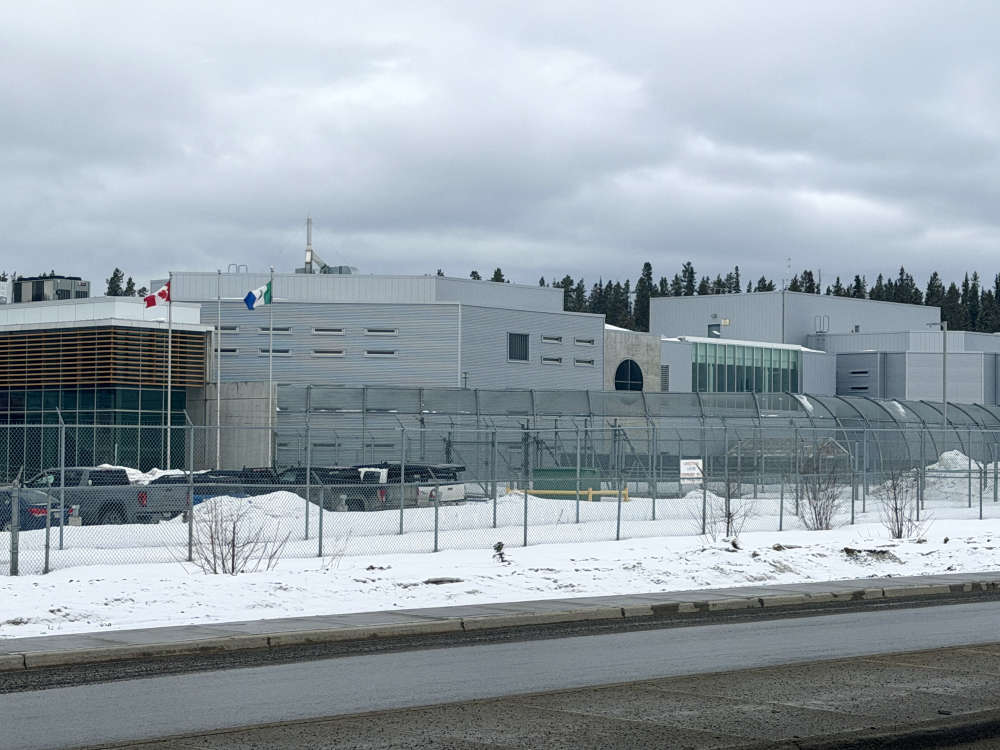 Inquest into the death of Manui Roux to be held in Whitehorse
 Yukon municipalities to receive record $30 million in funding
 Yukon expands winter electricity relief for residents
 Ross River Dena Council says 'no' to proposed mining on its traditional territory
 LSCFN stands firm: 'No mining in the Breadbasket'
 Yukon Government accepts responsibility for abuse at Jack Hulland Elementary
 Whistle Bend road connector project gets $8.7M boost from federal government
 Yukon Government signs deal with Alliance Health for primary care clinic
 Man Missing in Whitehorse: Reuben van Klaveren Sought by RCMP