
Several Native American tribes sued the federal government Friday, seeking to keep any of the $8 billion in federal coronavirus relief for tribes kept out of the hands of for-profit Alaska Native corporations.
The U.S. Treasury Department is tasked with doling out the money by April 26 to help tribes nationwide stay afloat, respond to the virus and recover after having to shut down casinos, tourism operations and other businesses that serve as their main moneymakers.
The Confederated Tribes of the Chehalis Reservation and the Tulalip Tribes in Washington state, the Houlton Band of Maliseet Indians in Maine, and the Akiak Native Community, Asa'carsarmiut Tribe and Aleut Community of St. Paul Island in Alaska filed the lawsuit in U.S. District Court in Washington, D.C.
The U.S. Treasury Department, named as the defendant, did not immediately return an email seeking comment.
Already, tribes had raised questions about the distribution of the funding.
“It is what Indian Country will rely on to start up again,” says Cherokee Nation Principal Chief Chuck Hoskin Jr. “And Congress surely didn't intend to put tribal governments, which are providing health care, education, jobs, job training, and all sorts of programs, to compete against these Alaska corporate interests, which looks like a cash grab.”
The Interior Department, which oversees the Bureau of Indian Affairs, said Alaska Native corporations are eligible for the funding, pointing to a definition that includes them as an “Indian Tribe” in the federal bill. The corporations are unique to Alaska and own most Native lands in the state under a 1971 settlement but are not tribal governments.
Tribes argue that the Interior Department has taken a limited view of the definition and that Congress intended for the money to go to the country's 574 federally recognized tribes that have a government-to-government relationship with the U.S.
The Treasury Department posted a form online Monday for tribes to submit information to get funding, including their land base, number of tribal citizens, corporate shareholders, employees and spending. The deadline to respond is Friday.
It's unclear how the agency will decide which tribe gets what.
For some tribes, last Monday was the first time they saw any mention Alaska Native corporations would be eligible for tribal funding. They had to respond quickly because the deadline to weigh in on the funding formula was the same day.
 BC man convicted of manslaughter
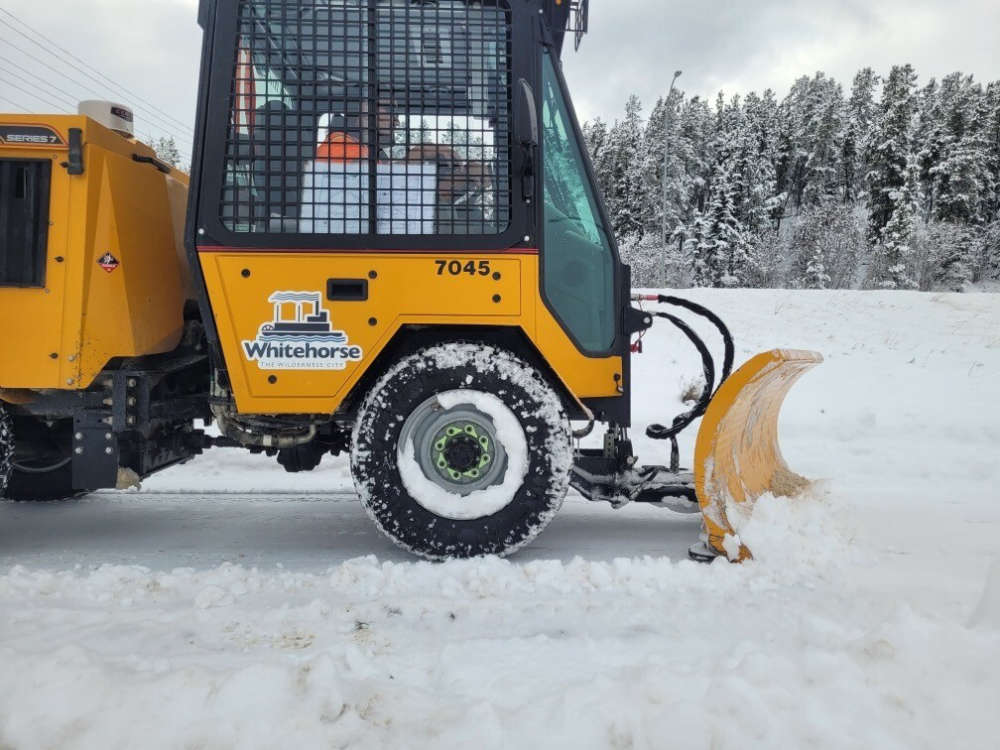 Hamilton Boulevard trail cleared as winter pilot project wraps up
 Yukon RCMP roll out new navy-blue uniform shirts
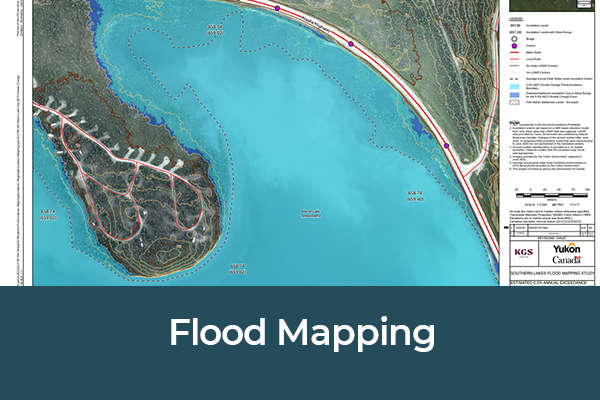 Yukon releases final flood maps for Dawson, Klondike Valley, Upper Liard
 Inquest into the death of Manui Roux to be held in Whitehorse
 Yukon municipalities to receive record $30 million in funding
 Yukon expands winter electricity relief for residents
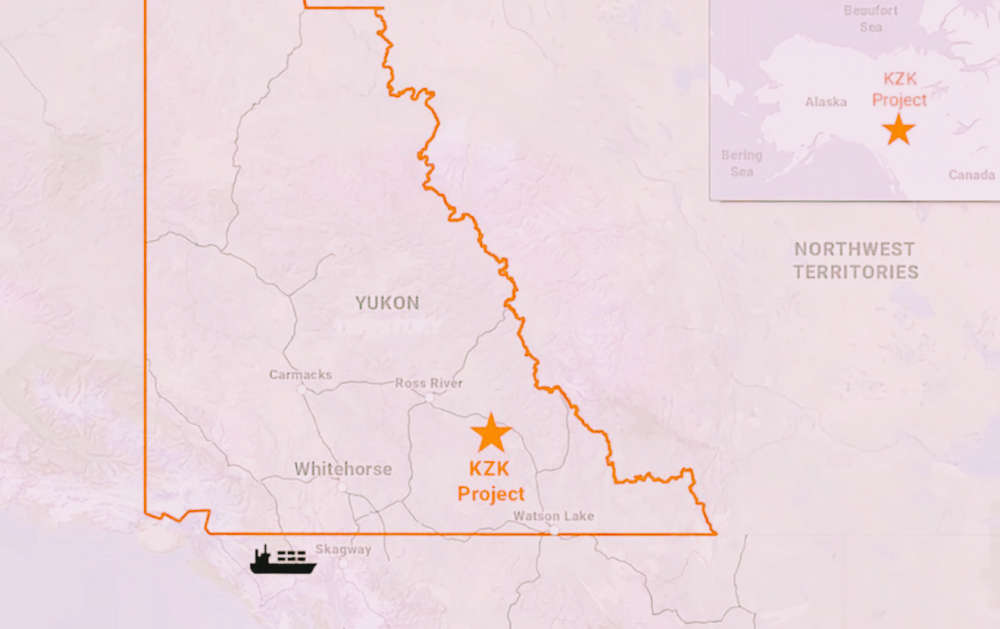 Ross River Dena Council says 'no' to proposed mining on its traditional territory
 LSCFN stands firm: 'No mining in the Breadbasket'
 Yukon Government accepts responsibility for abuse at Jack Hulland Elementary
 Whistle Bend road connector project gets $8.7M boost from federal government
 Yukon Government signs deal with Alliance Health for primary care clinic
 Man Missing in Whitehorse: Reuben van Klaveren Sought by RCMP
 Yukon Government passes health authority act amendment amidst first nations concerns
 Selkirk First Nation announces election results
 Carcross/Tagish First Nation cuts community safety services amid funding shortfall
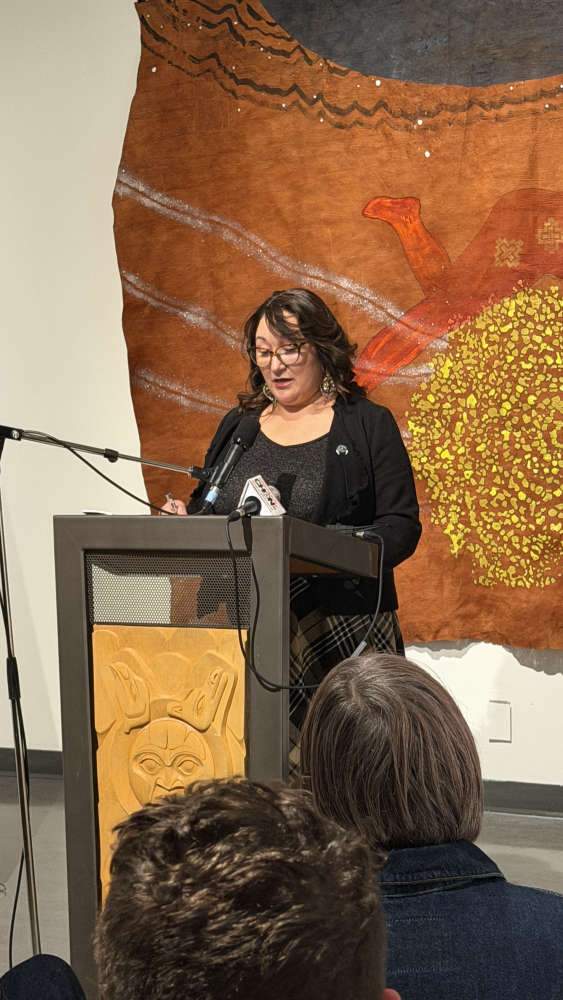 Yukon First Nations Outraged Over Clean Energy Act Repeal
 The Yukon Employees’ Union is weighing in on the Health Authority Act’s uncertain future
 The Village of Haines Junction has announced the launch of a new grant program
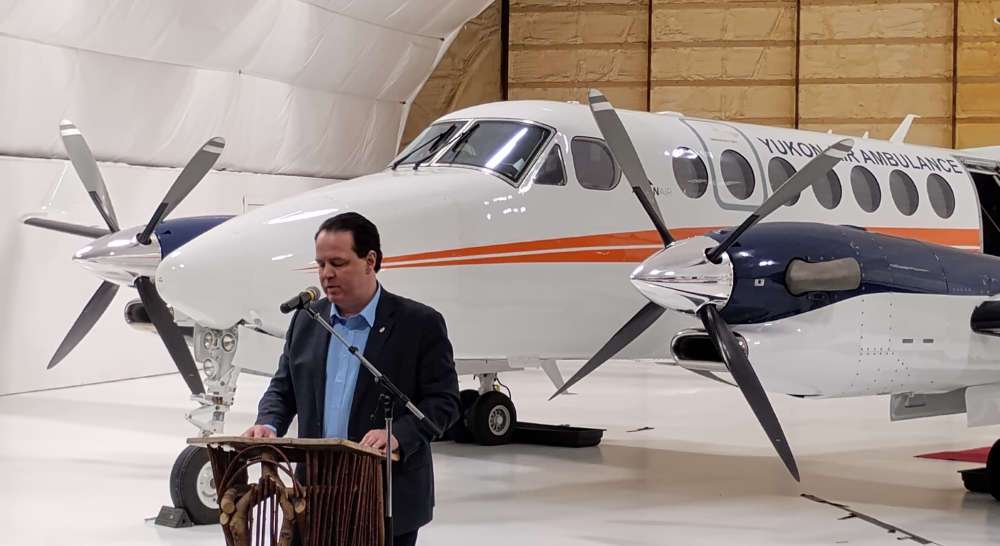 Yukon's air ambulance program gets upgrade