


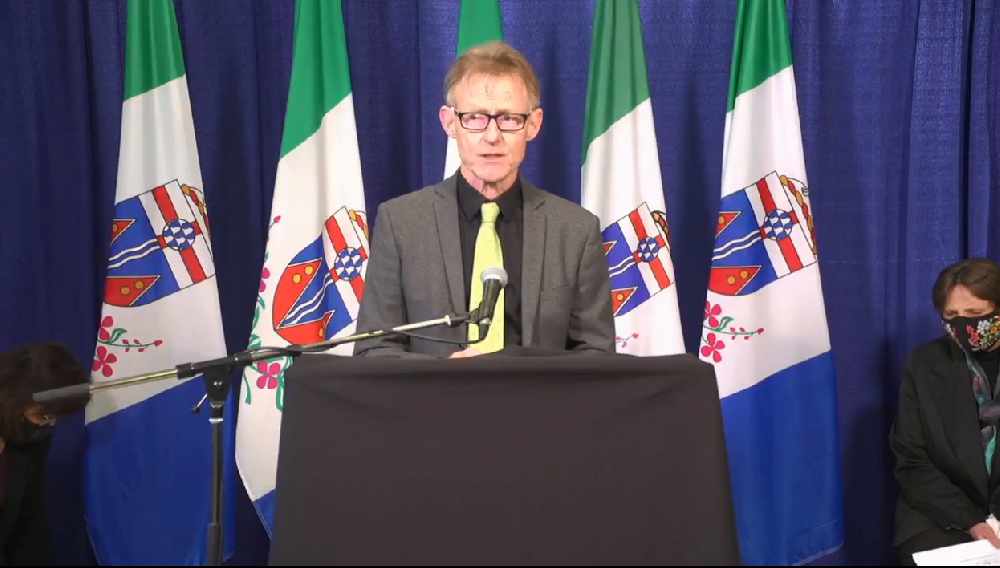
Two opioid overdose deaths earlier this month prompted a press conference this morning.
This morning, Chief Medical Officer of Health Dr. Brendan Hanley along side Yukon's Chief Coroner Heather Jones, Whitehorse RCMP Detachment Commander Inspector Lindsay Elis, Kwanlin Dün First Nation Chief Doris Bill, and Blood Ties Four Directions Executive Director Bronte Renwick-Shields held a press conference to address the opioid crisis in the territory.
They are calling for swift action in response to two additional opioid overdose deaths earlier this month.
Jones started things off by talking numbers.
“The Yukon, like many other Canadian jurisdictions, has suffered greatly under what has been deemed the opioid crisis, which found it’s way to us in the spring of 2016. Since that time and to date, 40 individuals in the Yukon have lost their lives due to opioids. 80 percent of these deaths have involved fentanyl. And as is well known, we’ve seen significant increase in opioid deaths in 2020, with a total of ten deaths, compared to the four investigated in 2019. If my numbers are right, this translates to a 250 precent increase.” Says Jones.
Elis provided a view of the crisis from the Whitehorse RCMP’s perspective. She says carfentanil is in the territory.
“Two B.C residents were found in downtown Whitehorse with a total of almost 11 grams of carfentanil mixed with caffeine, packaged for distribution to our communities. The two were based out of a Whitehorse hotel to simply conduct drug transactions, and only had been in the Yukon for three weeks. While that is not new, what is new, is that we have confirmed the presence of carfentanil through our investigations.” Says Elis.
Carfentanil is approximately 100 times more toxic than fentanyl, 4000 times more potent than heroin and 10,000 times more toxic than morphine.
Dr. Hanley says sometimes it can seem like a losing battle but progress has been made.
“There’s little doubt that the opioid crisis here would have been much worse if it weren’t for the implementation and the expansions of interventions. So, for example, medical treatment for opioids, including the development of the suboxone program, a significantly expanded OATS, or opioid agonist treatment program, has improved substantially, the array of treatments available for individuals.” Says Dr. Hanley.
Hanley says past efforts are not enough though. He says the next government should look into a safe supply, overdose prevention sites, and decriminalization of drugs as ways to prevent opioid deaths.
Hanley says he wants to see a renewed opioid response plan that is budgeted and has goals and timelines.
 Independent review panel publishes first status report in Department of Education review
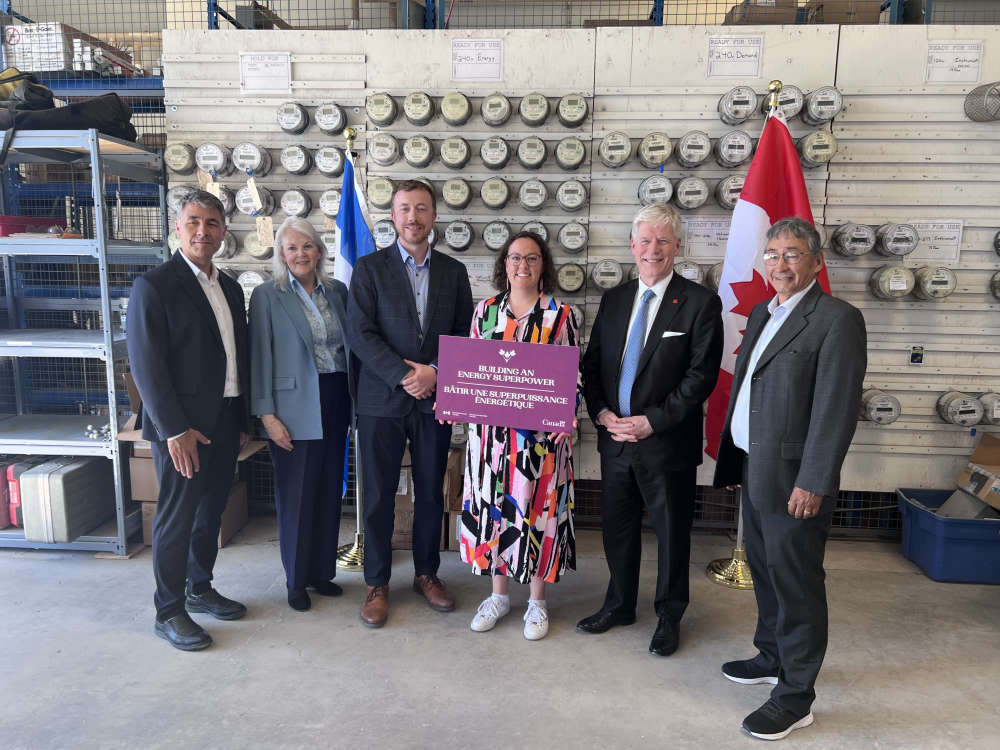 ATCO Electric Yukon Gets $7.5M to Fix Billing Issues with Smart Meters
 Yukon NDP calls on Yukon government to investigate electricity billing concerns
 Youth investment fund supports 13 community projects across Yukon
 FNNND challenges Mayo Dam spillway project over treaty and fish passage concerns
 First Nation of Na-Cho Nyäk Dun youth benefit as mining firms fund mayo school sports
 BC man convicted of manslaughter
 Hamilton Boulevard trail cleared as winter pilot project wraps up
 Yukon RCMP roll out new navy-blue uniform shirts
 Yukon releases final flood maps for Dawson, Klondike Valley, Upper Liard
 Inquest into the death of Manui Roux to be held in Whitehorse
 Yukon municipalities to receive record $30 million in funding
 Yukon expands winter electricity relief for residents
 Ross River Dena Council says 'no' to proposed mining on its traditional territory
 LSCFN stands firm: 'No mining in the Breadbasket'
 Yukon Government accepts responsibility for abuse at Jack Hulland Elementary
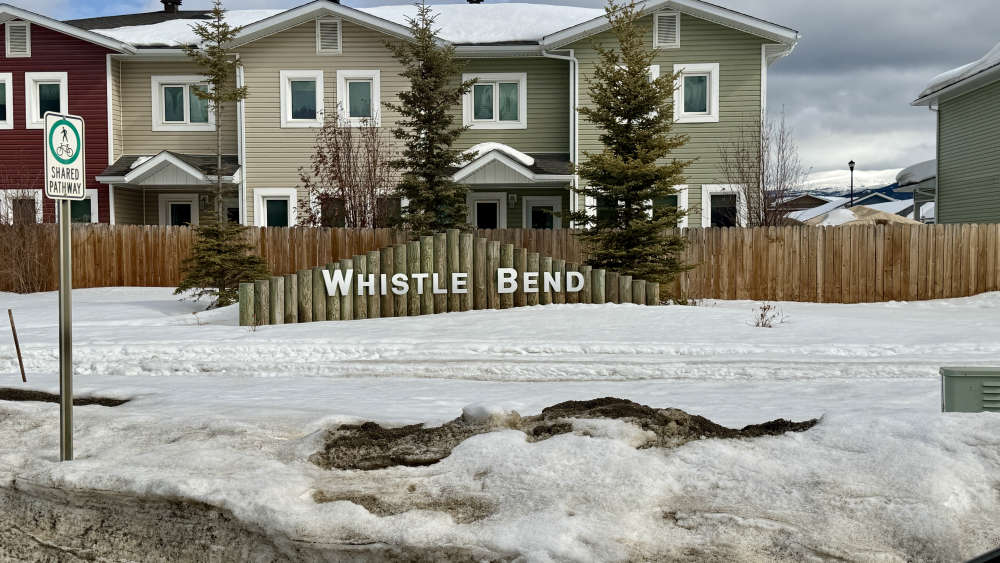 Whistle Bend road connector project gets $8.7M boost from federal government
 Yukon Government signs deal with Alliance Health for primary care clinic
 Man Missing in Whitehorse: Reuben van Klaveren Sought by RCMP