


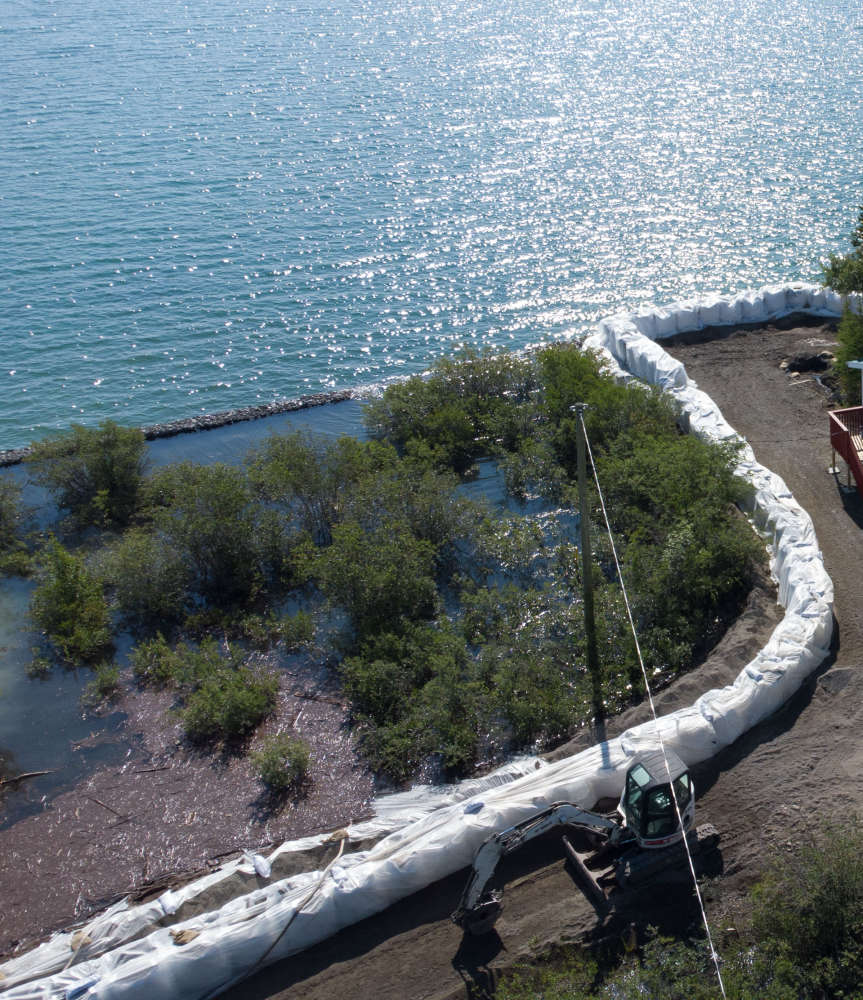
This summer saw the largest flood mitigation effort in the history of the Yukon.
Dr. Benoit Turcotte, Yukon University’s Senior Research Professional in hydrology, says last summer’s flooding throughout the territory is not the worst mother nature can do.
“This is not the full capacity of that system,” he tells CHONfm.
Dr. Turcotte says after studying hydrological information, simply put - the unprecedented high-water levels in the Yukon were caused by high snowpack, a delayed spring, and warm weather. The actual details are a little more complicated though, Dr. Turcotte says multiple rare hydrological events contributed to the flooding.
“There’s water going in and water going out at Lewes Dam and there’s a maximum capacity at Lewes Dam and in Miles Canyon. As a result, if that snow would have melted gradually, well it would have been fine but the weather sequence really caused the input to Southern Lakes to really rise several times more than what the system could evacuate,” says Dr. Turcotte.
He also says it is hard to say whether or not climate change directly caused the flooding because the water system is always fluctuating, citing a spike in water levels back in the 60’s, but global warming definitely played a role.
“If you look at the trends, at least for the Southern Lakes, seeing a high-water level in 2007 used to be the precedented record, and by far,” says Dr. Turcotte.
“Last summer broke that record easily and that system, from our understanding at YukonU, that system could produce even higher water levels,” he added.
At the peak of flooding, Bennett, Tagish and Marsh Lakes all measured more than 20 centimeters over the flood of 2007.
The high water in the territory this summer quickly turned in to the largest flood mitigation effort in the history of the Yukon. A state of emergency for the Southern Lakes, Lake Laberge, Marsh Lake, Tagish Lake and Kusawa Lake was declared in July and lasted until mid September. At one point there were 230 personnel on the ground including one hundred soldiers from the Canadian Armed Forces and seven flood specialists from Manitoba. Over one million sandbags were put in place by hard working volunteers and even bigger walls of sand deemed “superberms” were built along shores.
Dr. Turcotte hopes the Yukon’s water system will give us a break for a few decades so that we can adapt and plan for more floods, even though it is hard to say with confidence how severe they may be. In the meantime, he suggests studying the impact climate change is having on smaller water ways like the Nordenskiold and Klondike Rivers because they are more sensitive to hydrological events.
Flooding can be hard to predict, but Dr. Turcotte says next summer is looking better all ready because this fall has been drier and less snowy than last year.
 Teslin RCMP arrest two following search warrant
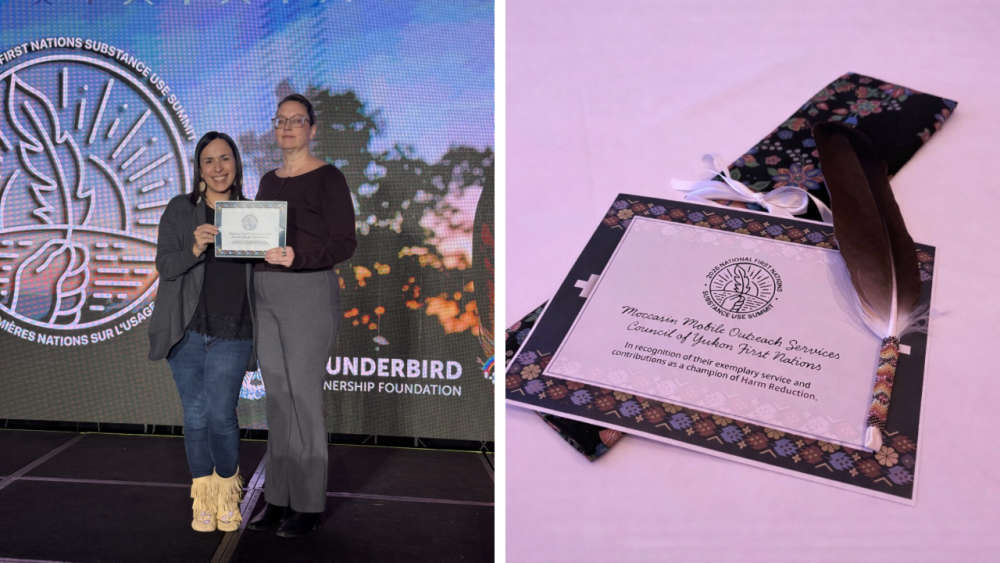 CYFN's Moccasin Mobile Outreach Program receives national recognition for harm reduction efforts
 Winter Games Wednesday with Nancy Thompson - Wednesday 25th February (Audio)
 Tr’ondëk Hwëch’in and Yukon Government partner on Dawson land planning initiative
 Yukon University strike averted as union reaches tentative agreement
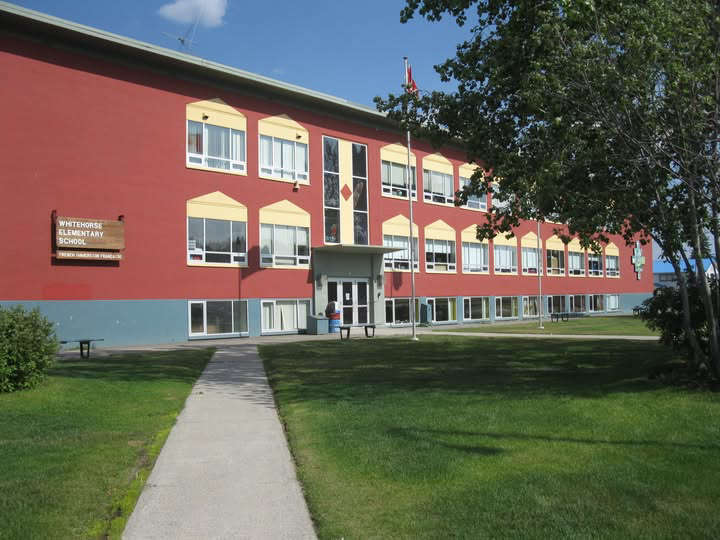 Yukon Government seeks input on new École Whitehorse Elementary School location
 Whitehorse 2026 Arctic Winter Games schedule unveiled
 Jeremy Harper elected as Chief of Selkirk First Nation
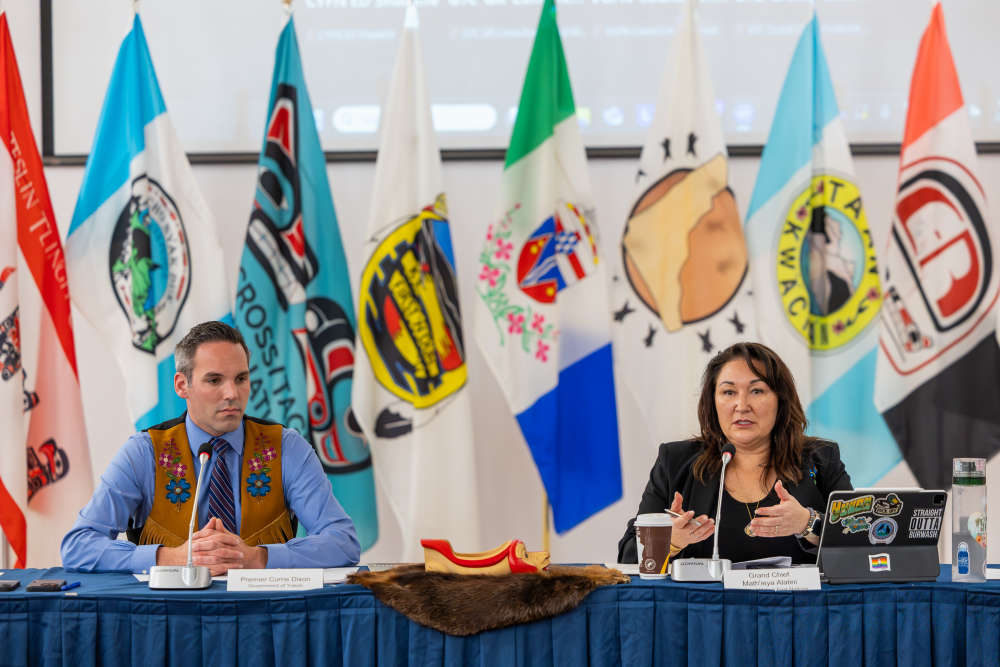 Yukon government pauses implementation of Health Authority, considering repealing Health Authority Act
 Yukon University withdraws from AWG
 $300,000 fund boosts student attendance initiatives in Yukon schools
 Whitehorse to host 2026 Broomball World Championships
 Harper to run for SFN chief
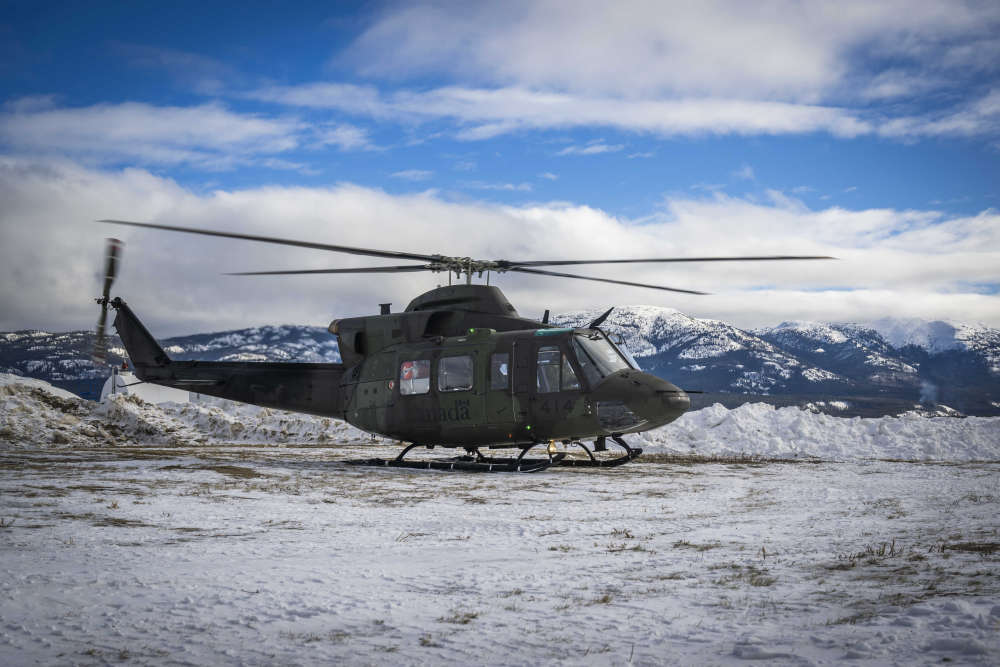 Helicopters head to Alaska for exercise
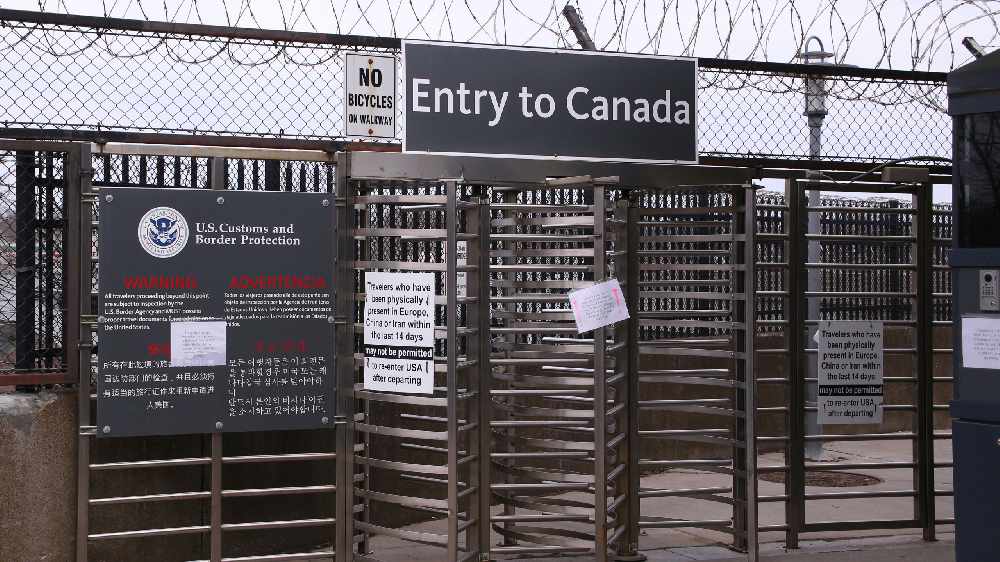 First Nations warn of increased scrutiny at US border, citing ICE actions
 Art brings hope to Whitehorse Shelter amidst challenging times
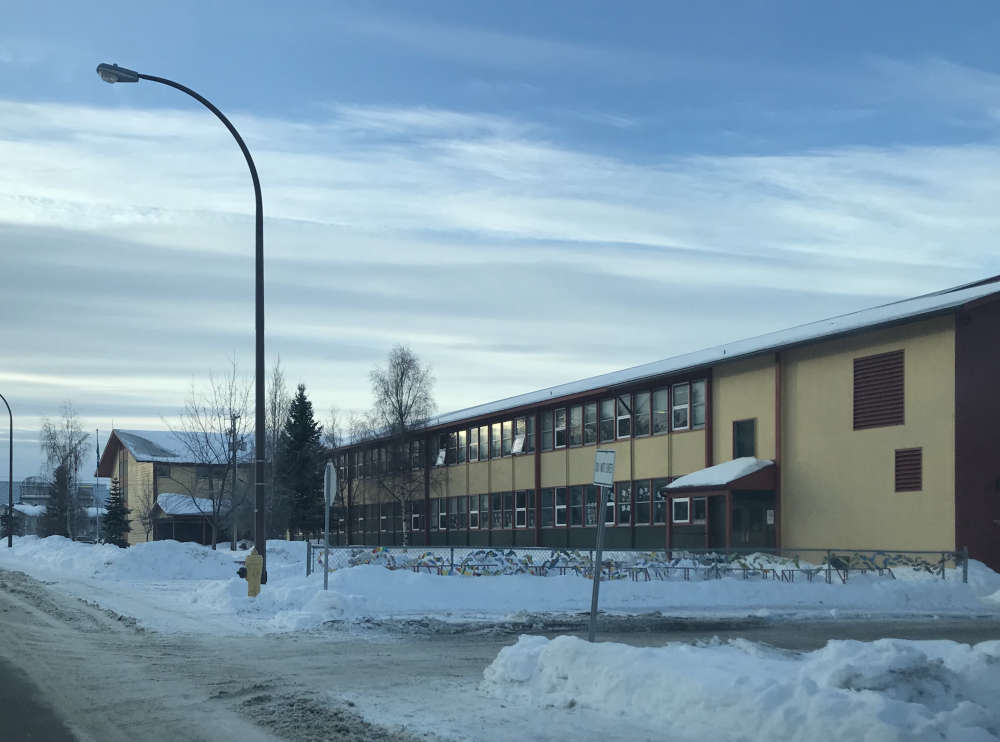 Yukon Schools to benefit from national School food program
 Yukon Liberal Party shuffles leadership