



Yukon's Information and Privacy Commissioner (IPC) has developed an advisory to help individuals avoid falling victim to scams that attempt to capitalize on fears and concerns related to the COVID-19 pandemic.
During the COVID-19 pandemic, many people are understandably focused on concerns about health or the economy. However, the pandemic has also led to new and perhaps unexpected vulnerabilities which can put our personal information and our finances at risk.
Cybercriminals have launched various campaigns to collect personal and financial information from Yukoners and others in order to commit identity theft and/or theft of your money. Social media, email, text messages and robo-calls are being used to impersonate various government agencies, such as Revenue Canada, businesses, such as banks, or non-government organizations, such as the World Health Organization or the Red Cross.
The content of the messages varies. For example, they may:
- tell you that you have been in contact with someone infected with COVID-19;
- ask you to collect your Canada Emergency Response Benefit (CERB) cheque;
- ask you to verify your bank account, credit card information, and/or mobile phone account;
- ask for donations to non-profit organizations in order to support the fight against the
- pandemic;
- offer face masks or other personal protective equipment (PPE) for a cheap price;
- offer treatments or false/sensational information regarding COVID19.
There are and will continue be a variety of these and other messages using COVID-19 concerns to coax you into providing your personal information. Whether you are led to a website or questioned over the phone you will usually be asked you for personal information such as your name, phone number, banking information, social insurance number, etc.
Giving out this kind of personal information will likely result in your identity being stolen and/or fraudulent purchases made on your behalf. As well, messages may contain attachments or links to websites containing malware, which will infect your computer or other devices.
Screenshots, photos, videos, links to unverified resources, or claims of expertise regarding COVID-19 can easily be forged by cybercriminals. Legitimate organizations do not ask for this kind of personal information over the phone or to be sent via email. Unless the authenticity and credibility of the source of the request can be undoubtedly verified, disregard and delete the request and do not share the requests with anyone else.
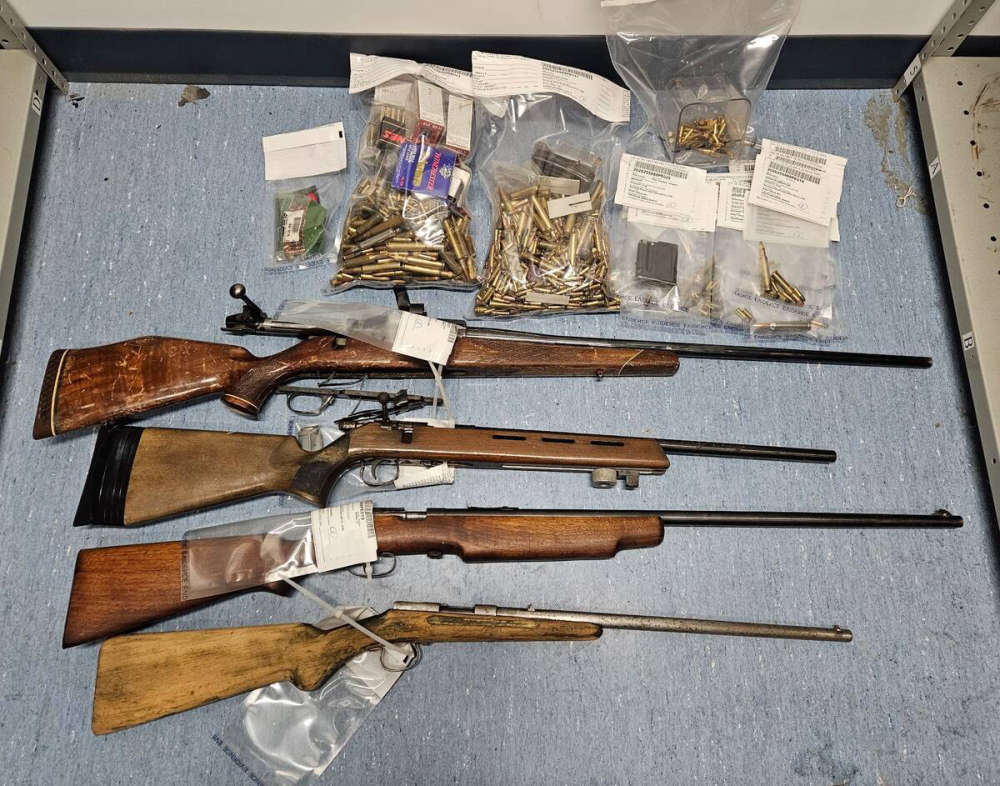 Teslin RCMP arrest two following search warrant
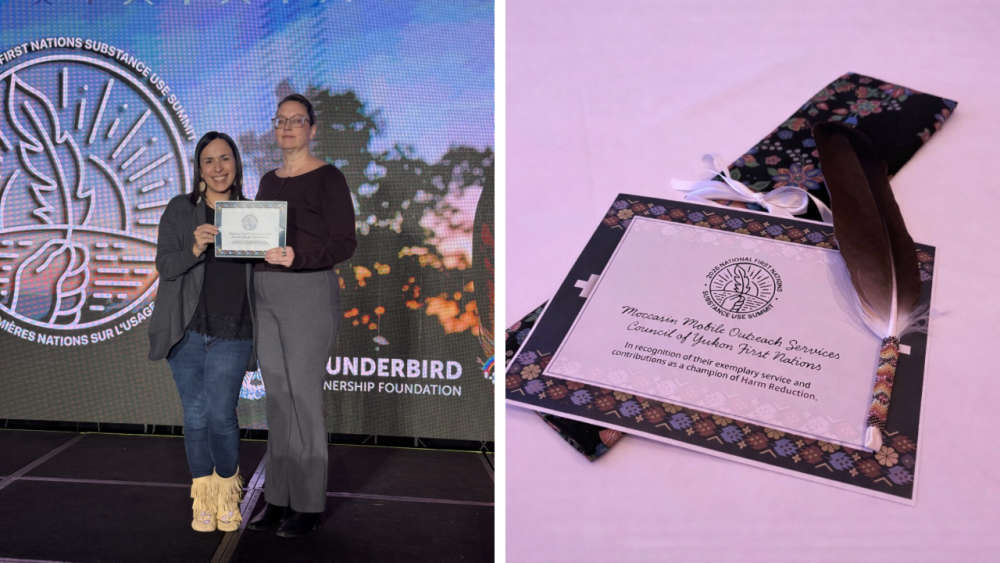 CYFN's Moccasin Mobile Outreach Program receives national recognition for harm reduction efforts
 Winter Games Wednesday with Nancy Thompson - Wednesday 25th February (Audio)
 Tr’ondëk Hwëch’in and Yukon Government partner on Dawson land planning initiative
 Yukon University strike averted as union reaches tentative agreement
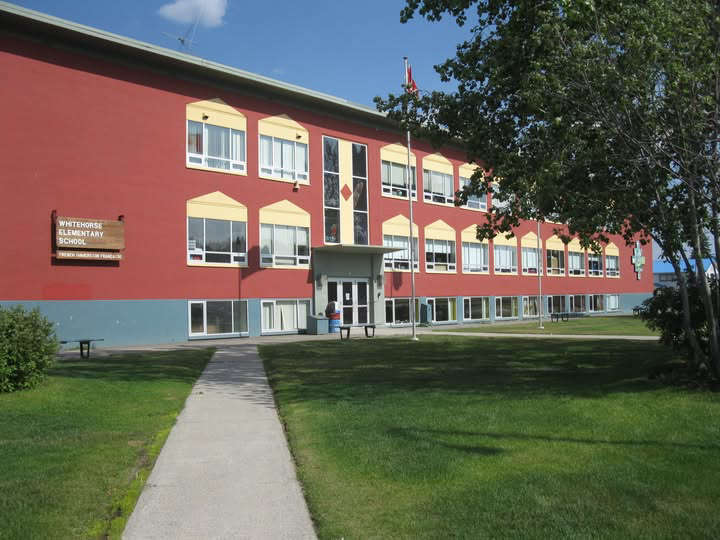 Yukon Government seeks input on new École Whitehorse Elementary School location
 Whitehorse 2026 Arctic Winter Games schedule unveiled
 Jeremy Harper elected as Chief of Selkirk First Nation
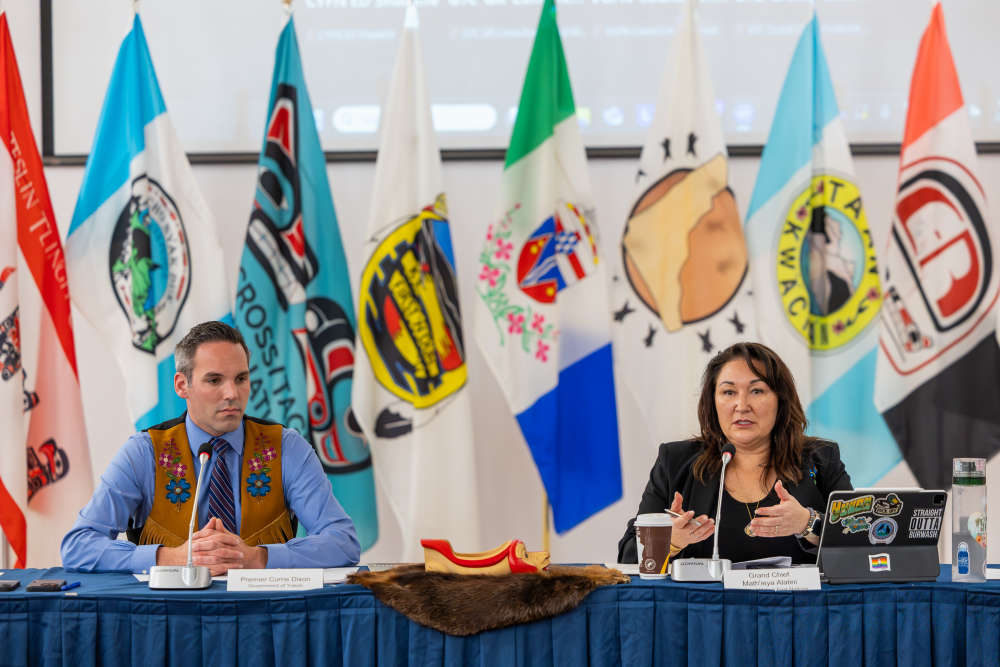 Yukon government pauses implementation of Health Authority, considering repealing Health Authority Act
 Yukon University withdraws from AWG
 $300,000 fund boosts student attendance initiatives in Yukon schools
 Whitehorse to host 2026 Broomball World Championships
 Harper to run for SFN chief
 Helicopters head to Alaska for exercise
 First Nations warn of increased scrutiny at US border, citing ICE actions
 Art brings hope to Whitehorse Shelter amidst challenging times
 Yukon Schools to benefit from national School food program
 Yukon Liberal Party shuffles leadership