


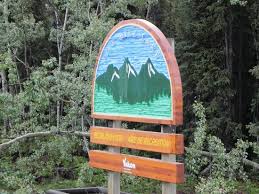
The strategy provides strategic guidance on how to sustainably deliver the environmental, economic, social and health benefits of Yukon’s network of parks and campgrounds. It will help ensure healthy land, healthy people and a healthy economy.
The Government of Yukon has released the Yukon Parks Strategy, setting long-term direction for Yukon’s territorial parks system from 2020 to 2030.
The strategy provides strategic guidance on how to sustainably deliver the environmental, economic, social and health benefits of Yukon’s network of parks and campgrounds. It will help ensure healthy land, healthy people and a healthy economy.
Major actions in the strategy include:
- extending the serviced campground season to five months, from May 1 to September 30;
- building a new campground near Whitehorse with up to 150 campsites;
- developing new trails in territorial parks;
- increasing accessible wilderness experiences at boat-in and hike-in campsites;
- an online reservation system pilot project for some campsites; and
- expanding park infrastructure and adding additional campsites at existing campgrounds.
In order to support continued quality service in Yukon parks and campgrounds, the strategy outlines operational priorities and increases to camping fees starting in 2022.
I am extremely proud of the Yukon Parks Strategy and look forward to the exciting changes coming for our parks and campgrounds over the next ten years. Parks and campgrounds are some of Yukon’s best assets and are beloved by Yukoners and visitors alike. By investing in Yukon’s parks system, we are supporting Yukoners to be active and explore the beautiful outdoors in our territory. It will also support Yukon’s tourism industry while providing local contracting opportunities. Minister of Environment Pauline Frost
In total, more than 1,500 Yukoners, 200 non-residents, 10 First Nations governments and 28 Yukon organizations provided input on the draft strategy in 2018 and 2019.
There are 10 strategic priorities the draft strategy proposes for the period from 2020 to 2030:
- Keep doing what’s working
- Develop a parks system plan
- Welcome year-round park use
- Enrich and diversify park experiences
- Make it easier to get a campsite
- Establish and operate new parks
- Ensure protection
- Advance reconciliation
- Modernize regulations
- Financially sustain our parks
Yukon’s system of territorial parks includes wilderness parks, campgrounds, recreation sites and others.
The Yukon government maintains 42 campgrounds with more than 1,000 campsites, 12 recreation sites and six larger wilderness parks like Tombstone.
More than one-quarter of Yukon’s population camp in government campgrounds every year. In 2018, these campgrounds provided over 57,000 nights of camping for over 89,000 people.
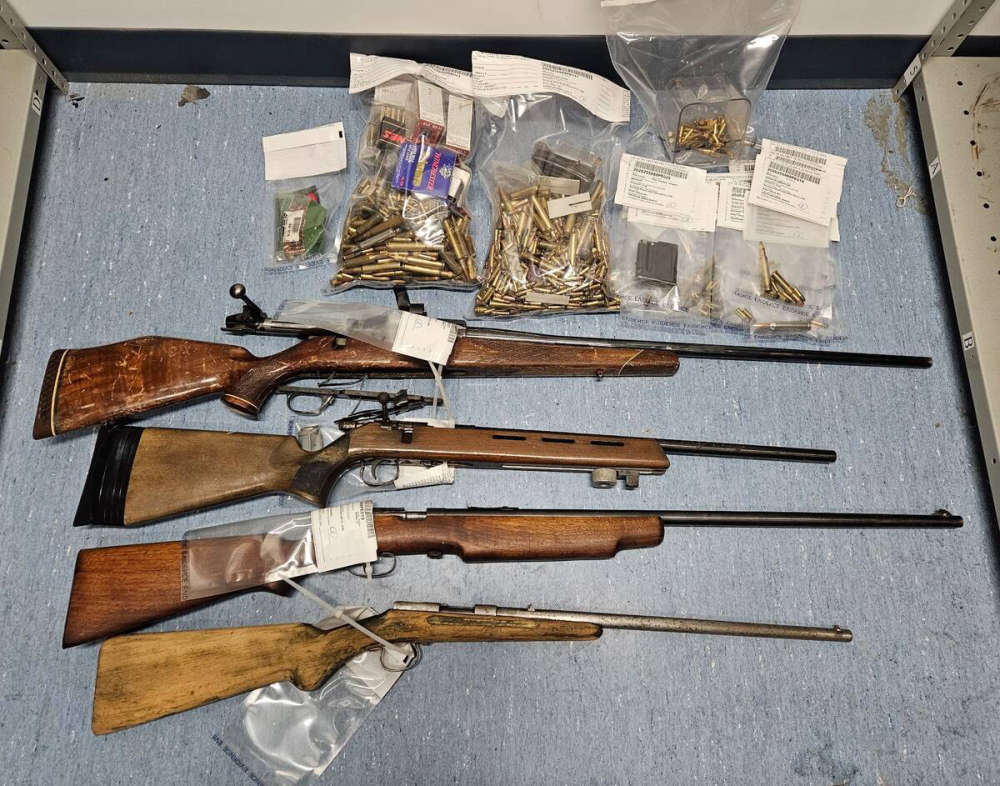 Teslin RCMP arrest two following search warrant
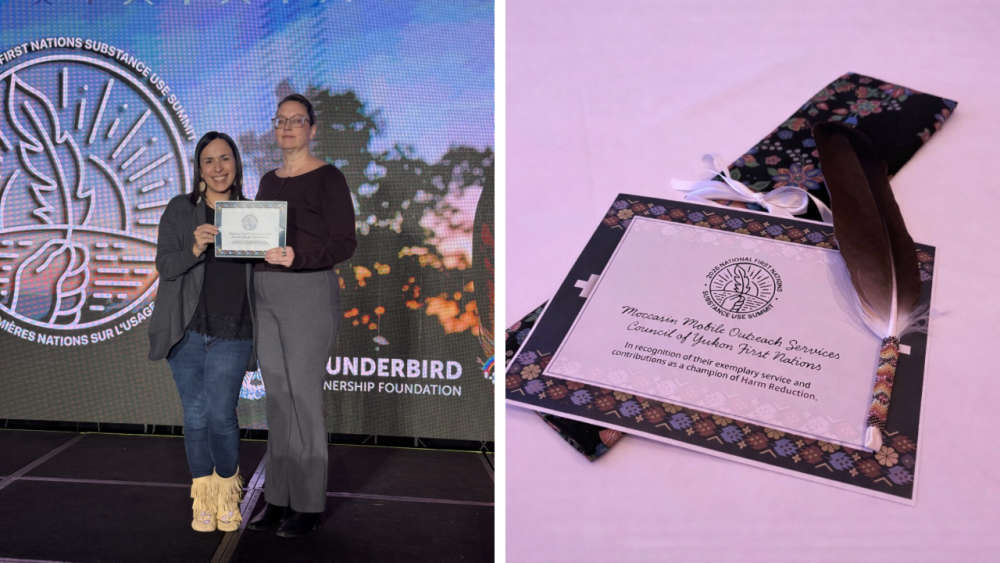 CYFN's Moccasin Mobile Outreach Program receives national recognition for harm reduction efforts
 Winter Games Wednesday with Nancy Thompson - Wednesday 25th February (Audio)
 Tr’ondëk Hwëch’in and Yukon Government partner on Dawson land planning initiative
 Yukon University strike averted as union reaches tentative agreement
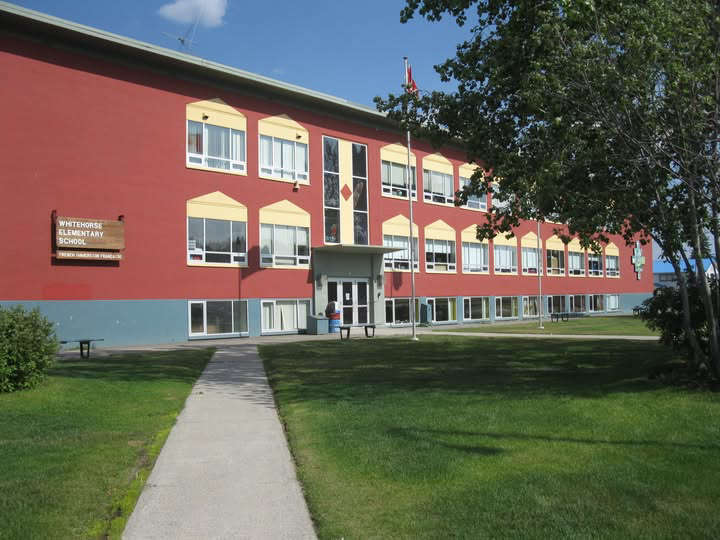 Yukon Government seeks input on new École Whitehorse Elementary School location
 Whitehorse 2026 Arctic Winter Games schedule unveiled
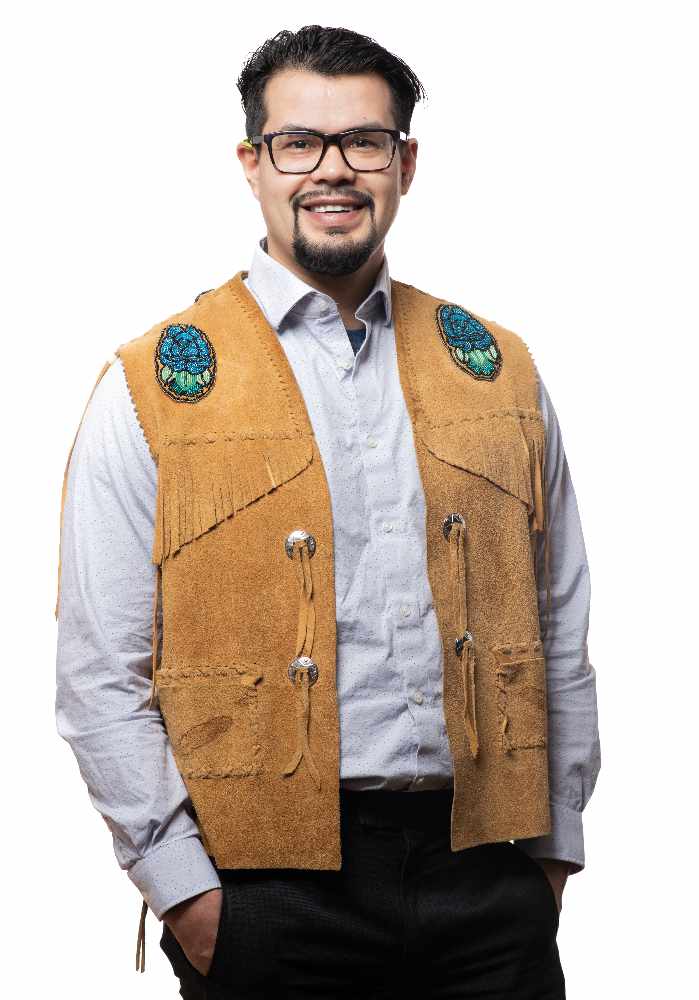 Jeremy Harper elected as Chief of Selkirk First Nation
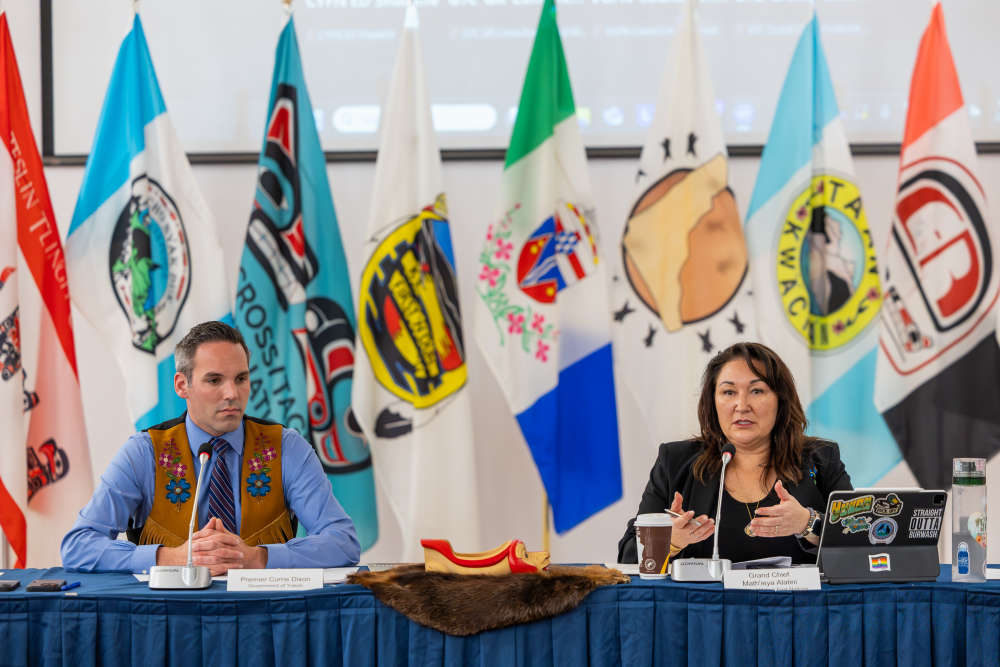 Yukon government pauses implementation of Health Authority, considering repealing Health Authority Act
 Yukon University withdraws from AWG
 $300,000 fund boosts student attendance initiatives in Yukon schools
 Whitehorse to host 2026 Broomball World Championships
 Harper to run for SFN chief
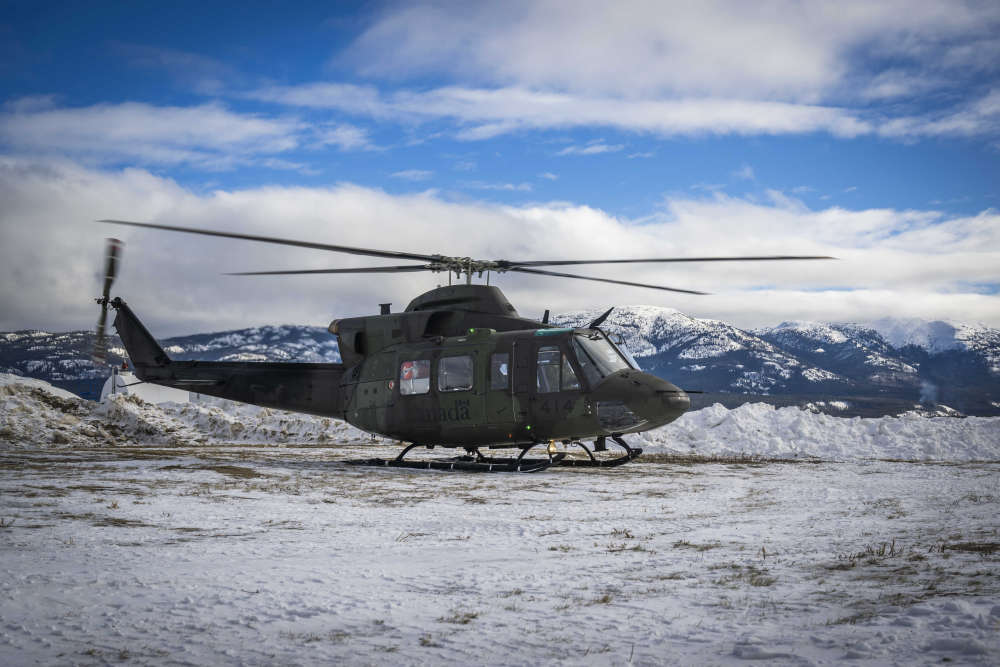 Helicopters head to Alaska for exercise
 First Nations warn of increased scrutiny at US border, citing ICE actions
 Art brings hope to Whitehorse Shelter amidst challenging times
 Yukon Schools to benefit from national School food program
 Yukon Liberal Party shuffles leadership