


Phase 3 is expected to begin on August 1, 2020. The public is reminded that Phase 3 will be a long one, anticipated to take Yukon through until a COVID-19 vaccine is available. Changes initially being considered under Phase 3 include expansion of family bubbles and gatherings and a return to sport play.
The Government of Yukon announced that as of, July 22nd the COVID-19 case count is 13. All of the 11 people who have contracted COVID-19 in Yukon have recovered and the two Yukoners who contracted the virus while traveling will recover before returning to the territory. There are no active cases in the territory and 1,450 people have been tested.
Phase 3 is expected to begin on August 1, 2020. The public is reminded that Phase 3 will be a long one, anticipated to take Yukon through until a COVID-19 vaccine is available. Changes initially being considered under Phase 3 include expansion of family bubbles and gatherings and a return to sport play.
Additional changes and relaxation of other restrictions will be considered as appropriate, based on public health principles and level of risk.
Testing criteria was expanded on July 15 to include a broader range of symptoms for individuals who have not travelled. This was done in response to and in anticipation of the opening of the border with British Columbia, the Northwest Territories and Nunavut, and flu season.
If someone is named as a contact of a person who has COVID 19, they will be contacted by Yukon Communicable Disease Control (YCDC). Yukoners are encouraged to be on alert for scams related to contact tracing. Stories are circulating about emails being sent to individuals identifying them as having been somewhere where an individual has been diagnosed as positive. The email encourages the recipient to open a document for instructions, which they should not do as these emails are fraudulent. All contact tracing is done directly by YCDC.
As of July 20, 2020, some vehicles with out-of-territory licence plates will be provided with a visitor decal when they enter Yukon at a border check station staffed by Government of Yukon enforcement officers. Visitor decals will be provided to critical service providers and travellers who have completed their 14-day self-isolation as required, including: Canadians with plates from jurisdictions outside of British Columbia, the Northwest Territories and Nunavut; Americans providing essential services in Yukon; and foreign residents that have been permitted entry to Canada by the Canadian Border Services Agency. The green visitor decal placed on the driver’s side of the windshield indicates that the occupants are not required to self-isolate and the vehicle is authorized to travel in and around Yukon.
Visitors as well as residents are reminded to be kind, respectful and be safe. People are encouraged to practise the Safe 6.
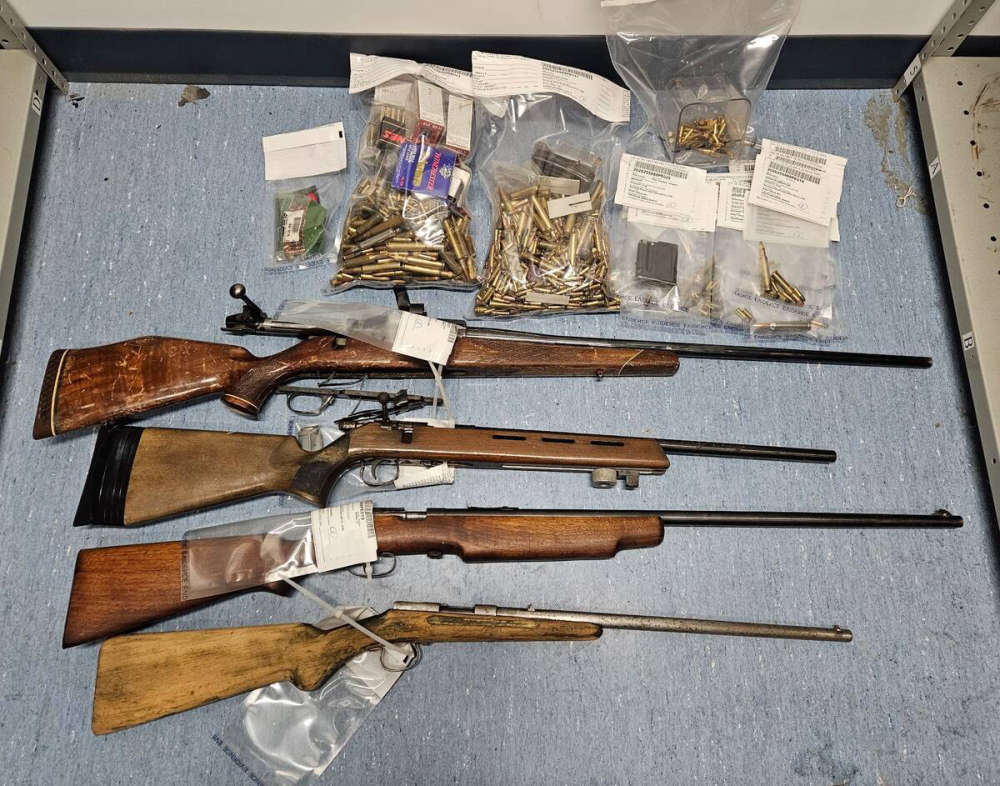 Teslin RCMP arrest two following search warrant
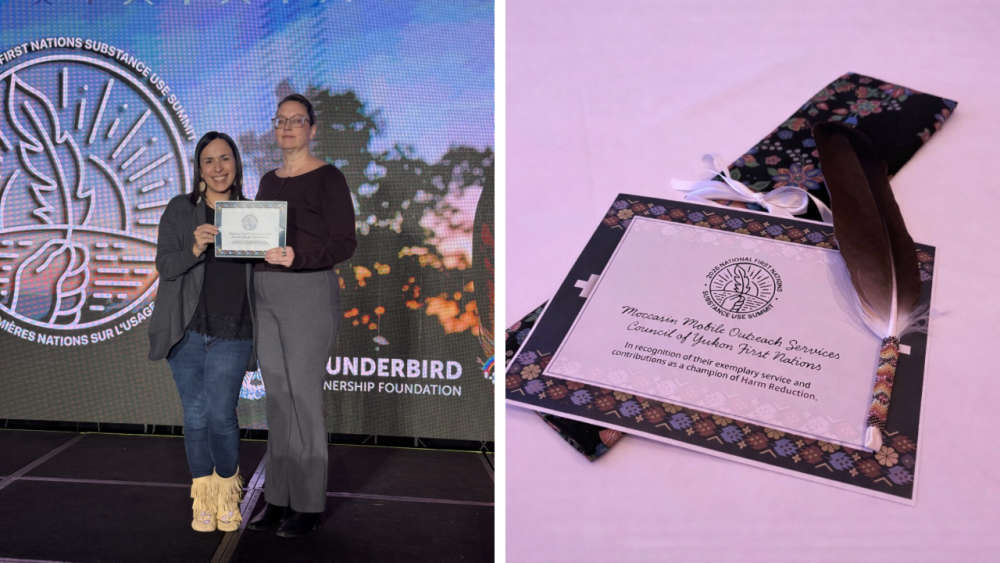 CYFN's Moccasin Mobile Outreach Program receives national recognition for harm reduction efforts
 Winter Games Wednesday with Nancy Thompson - Wednesday 25th February (Audio)
 Tr’ondëk Hwëch’in and Yukon Government partner on Dawson land planning initiative
 Yukon University strike averted as union reaches tentative agreement
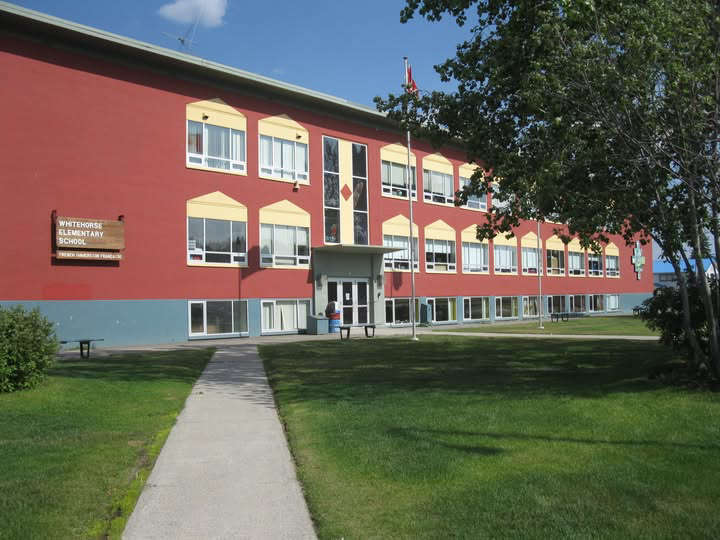 Yukon Government seeks input on new École Whitehorse Elementary School location
 Whitehorse 2026 Arctic Winter Games schedule unveiled
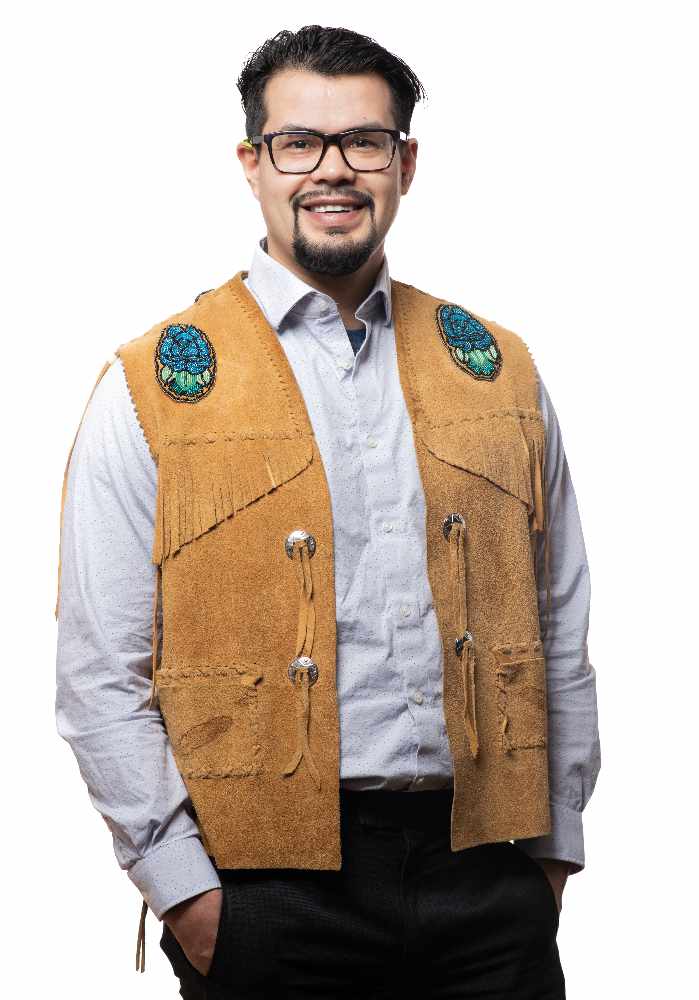 Jeremy Harper elected as Chief of Selkirk First Nation
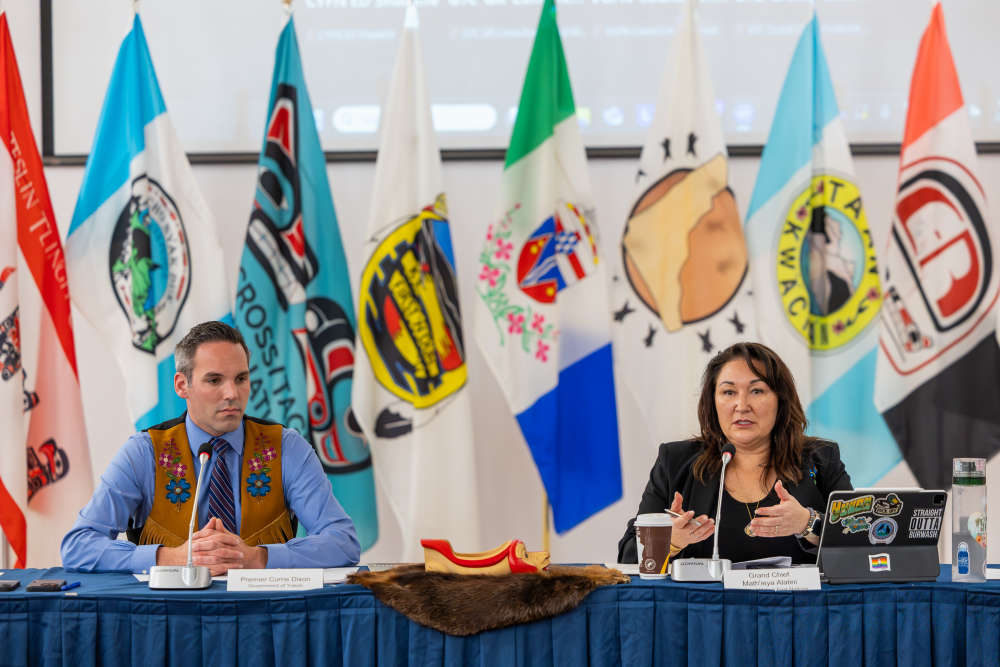 Yukon government pauses implementation of Health Authority, considering repealing Health Authority Act
 Yukon University withdraws from AWG
 $300,000 fund boosts student attendance initiatives in Yukon schools
 Whitehorse to host 2026 Broomball World Championships
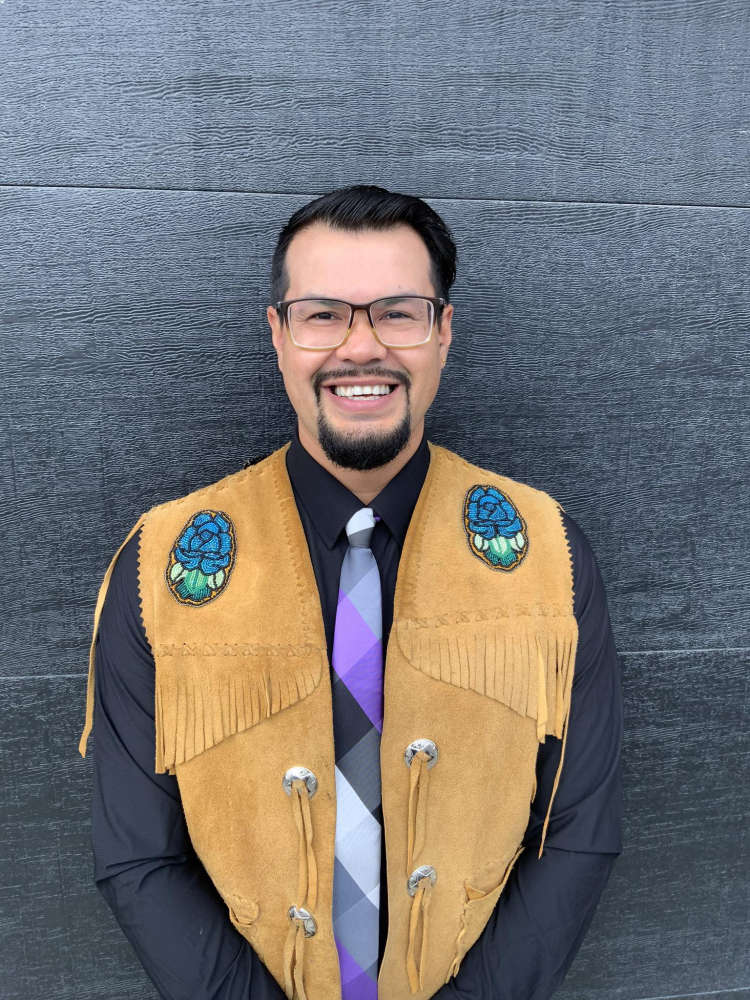 Harper to run for SFN chief
 Helicopters head to Alaska for exercise
 First Nations warn of increased scrutiny at US border, citing ICE actions
 Art brings hope to Whitehorse Shelter amidst challenging times
 Yukon Schools to benefit from national School food program
 Yukon Liberal Party shuffles leadership