



It is also an opportunity for the community to learn new skills.
Two old houses in the Dawson area are in the process of getting fixed up with some help from the Yukon University Housing Maintainer program.
The university has been working with Trʼondëk Hwëchʼin First Nation to make the homes more energy efficient and get them to liveable condition. The homes are about 30 years old and used to be right in town, but they were recently moved about 5 minutes away. Students in the program spent the winter gutting the buildings, redoing the roof, wiring, and heating system, and putting in new insulation.
Peter Marangu is the Director of Housing and Infrastructure for Trʼondëk Hwëchʼin First Nation. He says improving energy efficiency is important to protecting the land. He also says it helps to improve housing availability in Dawson.
“The housing situation is actually quite dire in Dawson. I think it’s quite well known that there’s pressure from tourism and mining in the summer. Just because it’s a community that has a shift in the size of population, the housing here is not very sufficient.” Says Marangu.
The program is a way for community members to learn new skills in a variety of trades, which Marangu says is vital.
“For small communities such as this, it’s difficult to get a lot of specialty in a lot of areas. People go to a high level of skill and they leave the small community. We don’t have a lot of people with general skills. The small communities, to survive, they need people who can do this kind of care.” Says Marangu.
Charlie Taylor is a life long Dawson resident and one of the program’s students. He has spent the last twenty years working on the ferry. He decided to take the program to expand his skillset. He also says giving back to the community is a nice bonus.
“I don’t know if it’s going to help the whole community, it’s only two houses but it’s a start. It’s got to start somewhere. It feels pretty good to know we actually put in the effort to get these houses up so other people could actually live in them, possibly families that might need a place to stay.” Says Taylor.
Students will be able to put their hours in the program towards an apprenticeship to further their skills even more. Taylor says he isn’t sure if he’ll do that, for now he plans to keep working on the ferry.
The program is wrapping up today. The siding and a few other things on the homes still need to be done and Marangu says there are plans to add solar panels, making them even more energy efficient. He says he expects people will be living in them in about four weeks. There are also plans to fix up more houses.
 Teslin RCMP arrest two following search warrant
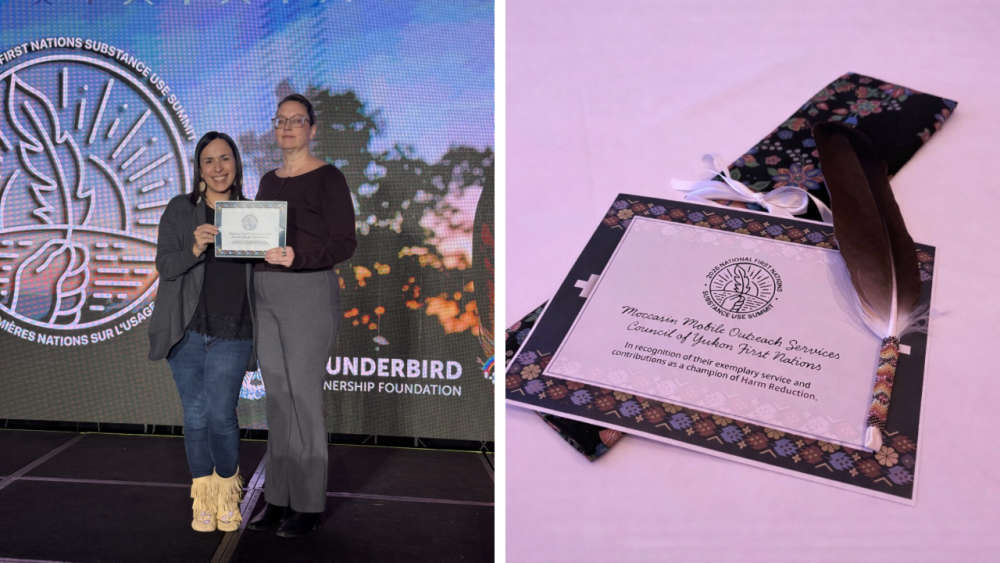 CYFN's Moccasin Mobile Outreach Program receives national recognition for harm reduction efforts
 Winter Games Wednesday with Nancy Thompson - Wednesday 25th February (Audio)
 Tr’ondëk Hwëch’in and Yukon Government partner on Dawson land planning initiative
 Yukon University strike averted as union reaches tentative agreement
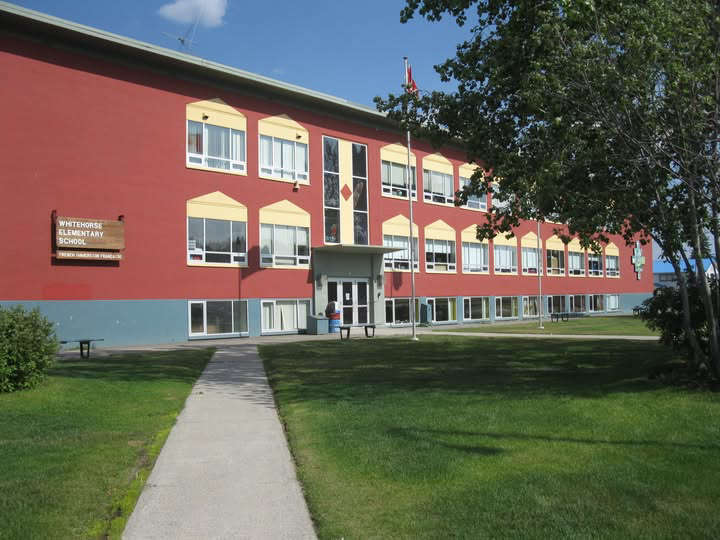 Yukon Government seeks input on new École Whitehorse Elementary School location
 Whitehorse 2026 Arctic Winter Games schedule unveiled
 Jeremy Harper elected as Chief of Selkirk First Nation
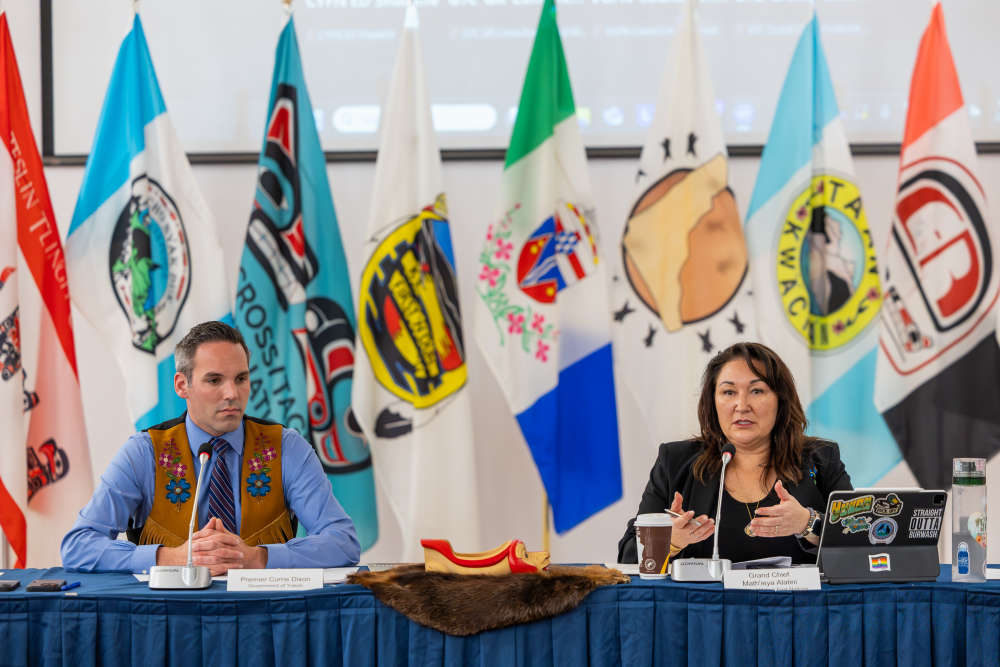 Yukon government pauses implementation of Health Authority, considering repealing Health Authority Act
 Yukon University withdraws from AWG
 $300,000 fund boosts student attendance initiatives in Yukon schools
 Whitehorse to host 2026 Broomball World Championships
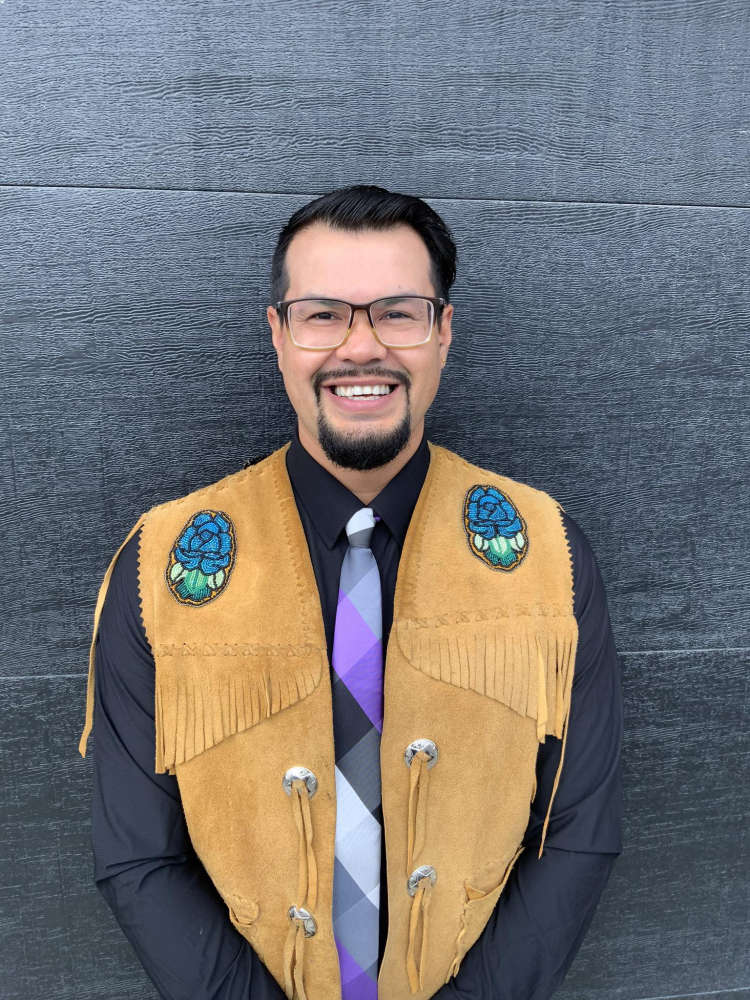 Harper to run for SFN chief
 Helicopters head to Alaska for exercise
 First Nations warn of increased scrutiny at US border, citing ICE actions
 Art brings hope to Whitehorse Shelter amidst challenging times
 Yukon Schools to benefit from national School food program
 Yukon Liberal Party shuffles leadership