



The study was published in Nature Climate Change Journal last week, and it aimed to settle whether the unusually cold August was linked with melting Arctic ice.
Study
According to a new study, the unusually cold August weather that the Yukon and northern British Columbia has been facing is largely caused by a massive atmospheric shift.
The study was published in Nature Climate Change Journal last week, and it aimed to settle whether the unusually cold August was linked with melting Arctic ice.
Previous theories suspected sea-ice loss was contributing to the cold weather as areas of ice-free water increased. As more ice-free water appeared in northern latitudes and was losing heat to the atmosphere, theories argued that it could lead to temperature changes.
However, the science behind that theory didn't quite add up, and therefore the study looked for alternative reasons.
The study showed that rather than sea-ice loss causing the cold weather in the mid-latitudes of North America and Asia, both the sea-ice loss and the cold weather are caused by the atmospheric shift. The shift is forcing warm, southern air to the Arctic, making the sea-ice melt, and forcing the Arctic air south to create colder-than-normal weather.
Cold Northern Weather
Many people in the north, particularly along the Alaska highway near northern B.C. and southern Yukon, are already seeing fall and winter conditions this August.
This past weekend saw major snowstorms in northern British Columbia, with some areas receiving up to 30cm of snow.
The snowstorm traveled along the Alaska highway by Watson Lake to Fort Nelson, however ended in most places on Monday.
Areas like Liard Hot Springs were forced to close their campground and services due to the heavy snow conditions and reports of freezing rain.
As of August 20th, Liard Hot Springs has reopened.
Weather forecasts show that the snow is unlikely to stay for long, with temperatures in areas like Liard Hot Springs expected to climb back up to at least ten degrees Celsius this week.
The cause behind the atmospheric circulation shift was not looked into in the study.
 Independent review panel publishes first status report in Department of Education review
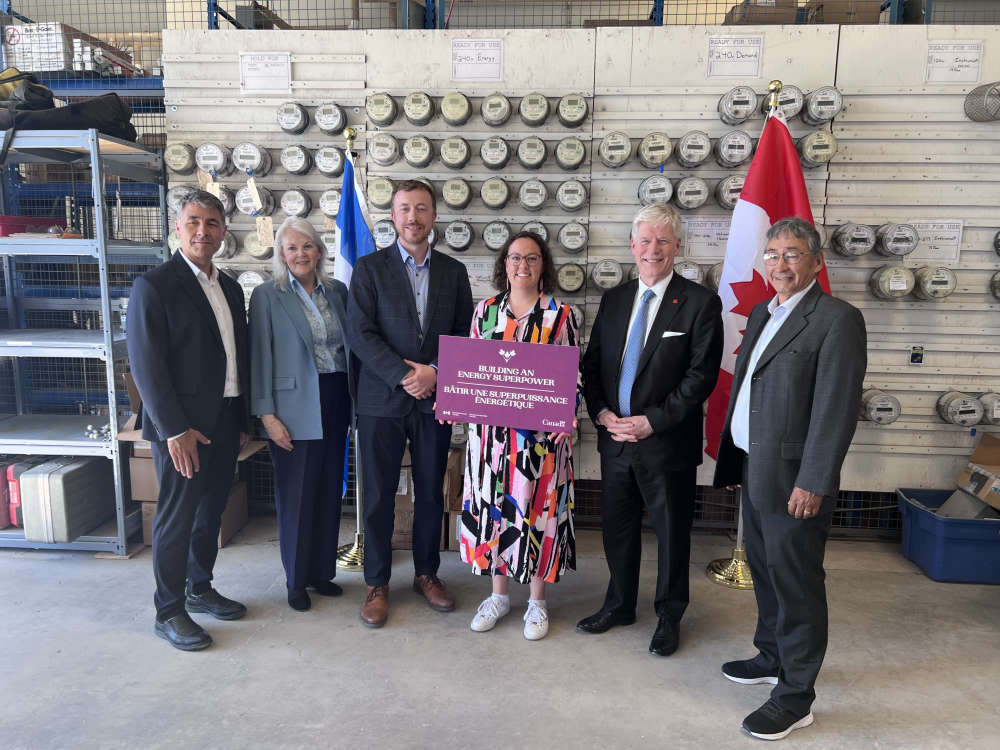 ATCO Electric Yukon Gets $7.5M to Fix Billing Issues with Smart Meters
 Yukon NDP calls on Yukon government to investigate electricity billing concerns
 Youth investment fund supports 13 community projects across Yukon
 FNNND challenges Mayo Dam spillway project over treaty and fish passage concerns
 First Nation of Na-Cho Nyäk Dun youth benefit as mining firms fund mayo school sports
 BC man convicted of manslaughter
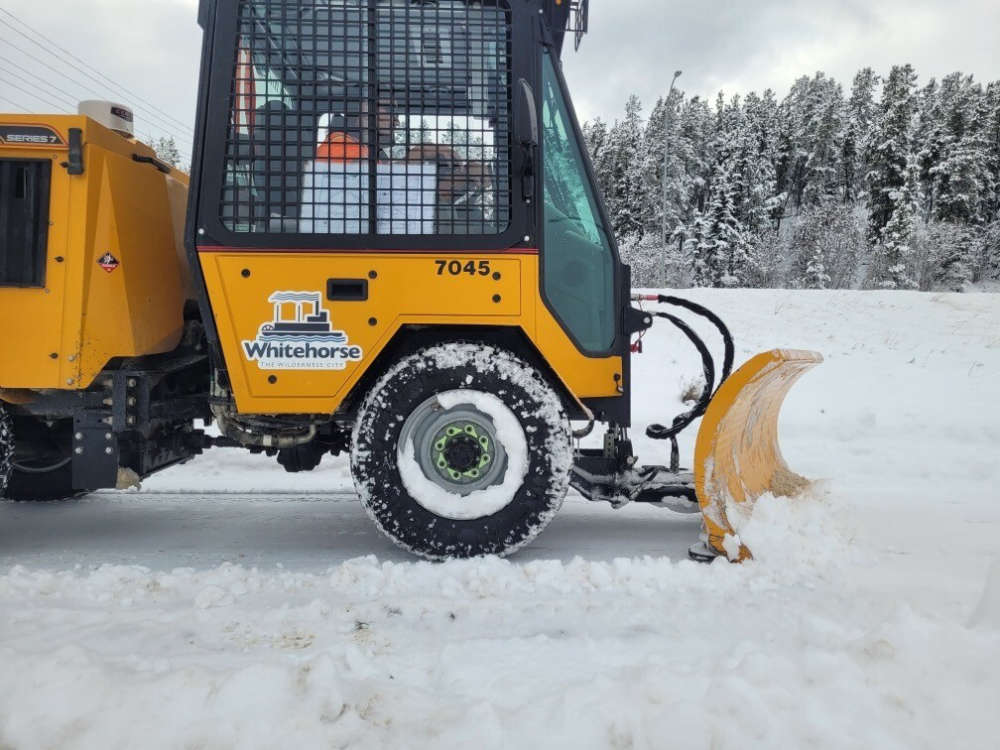 Hamilton Boulevard trail cleared as winter pilot project wraps up
 Yukon RCMP roll out new navy-blue uniform shirts
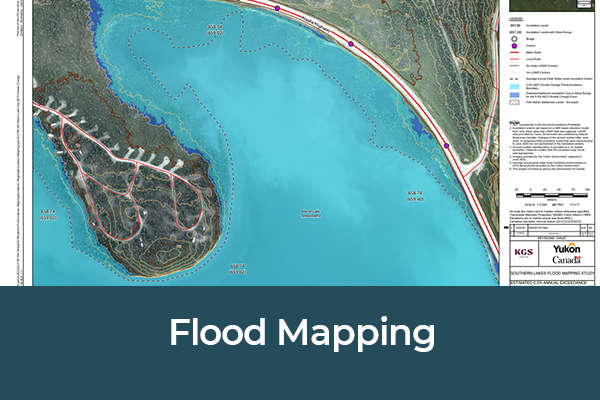 Yukon releases final flood maps for Dawson, Klondike Valley, Upper Liard
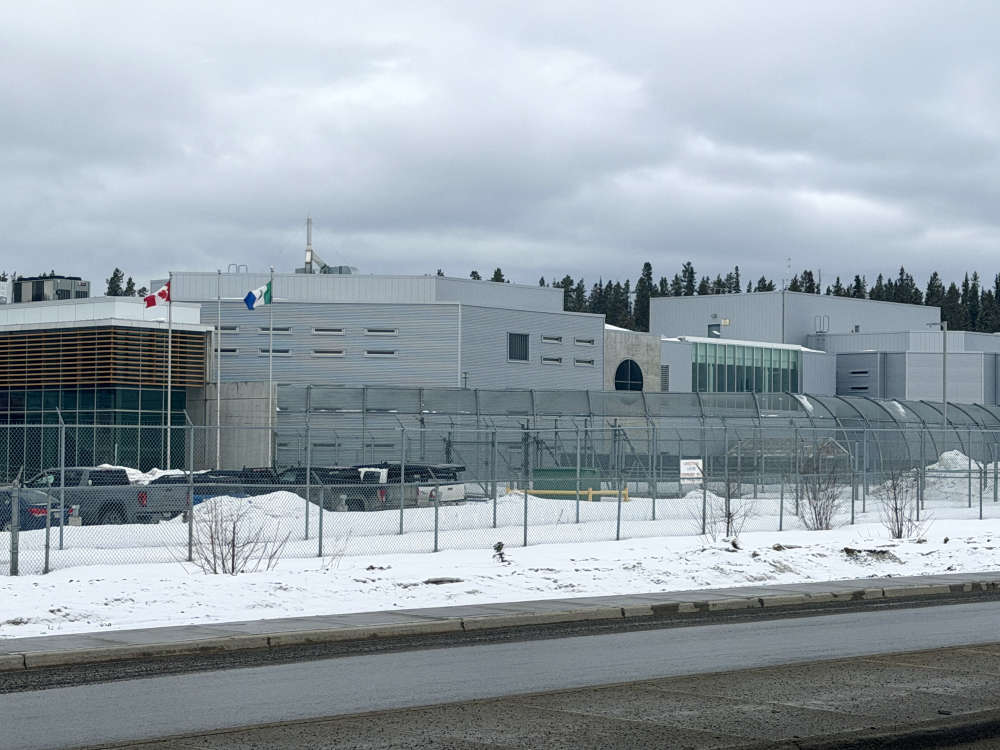 Inquest into the death of Manui Roux to be held in Whitehorse
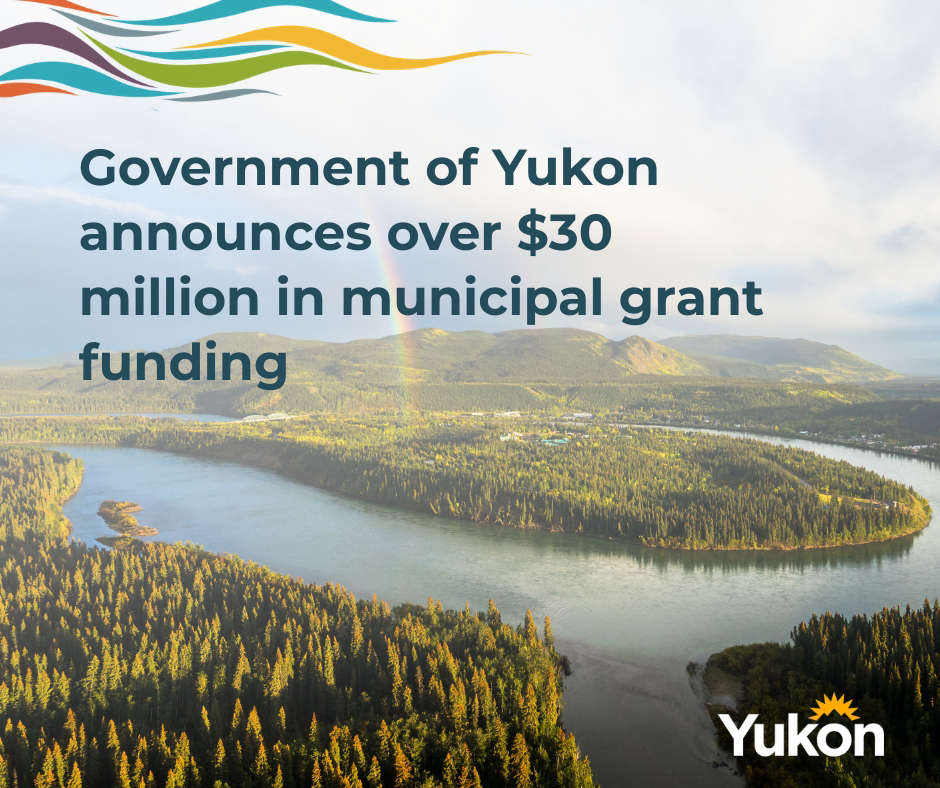 Yukon municipalities to receive record $30 million in funding
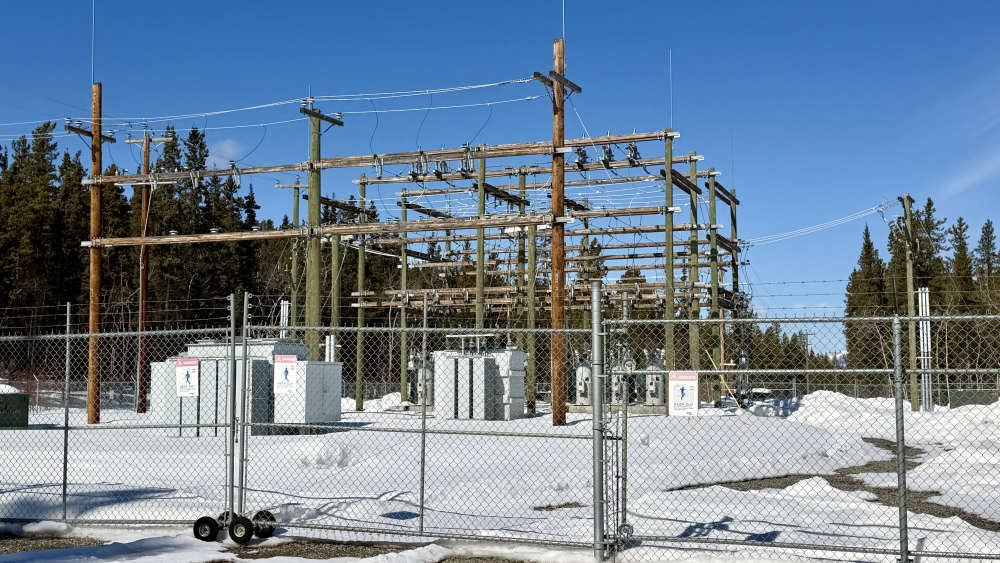 Yukon expands winter electricity relief for residents
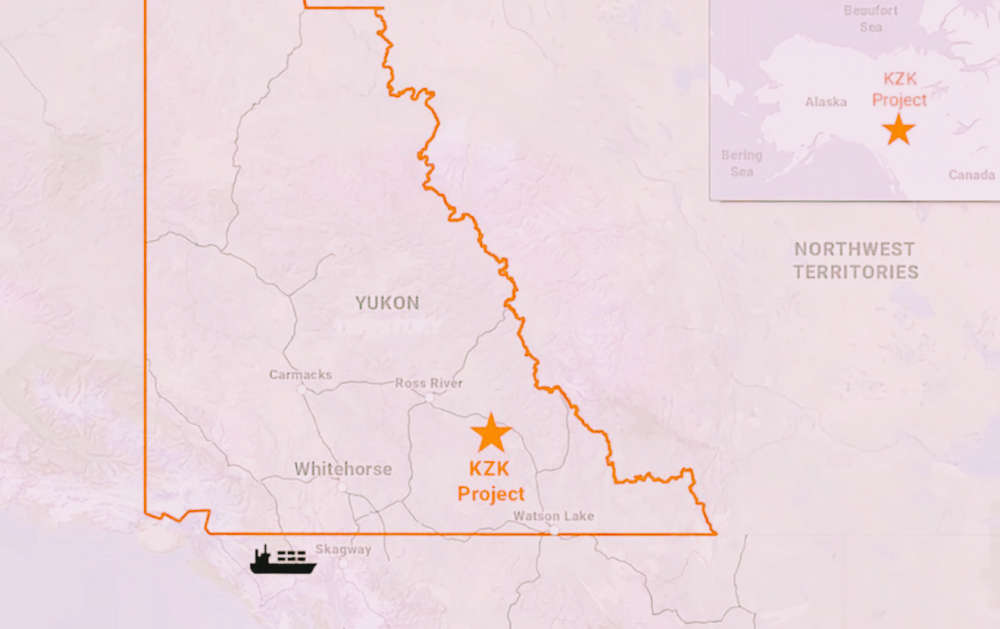 Ross River Dena Council says 'no' to proposed mining on its traditional territory
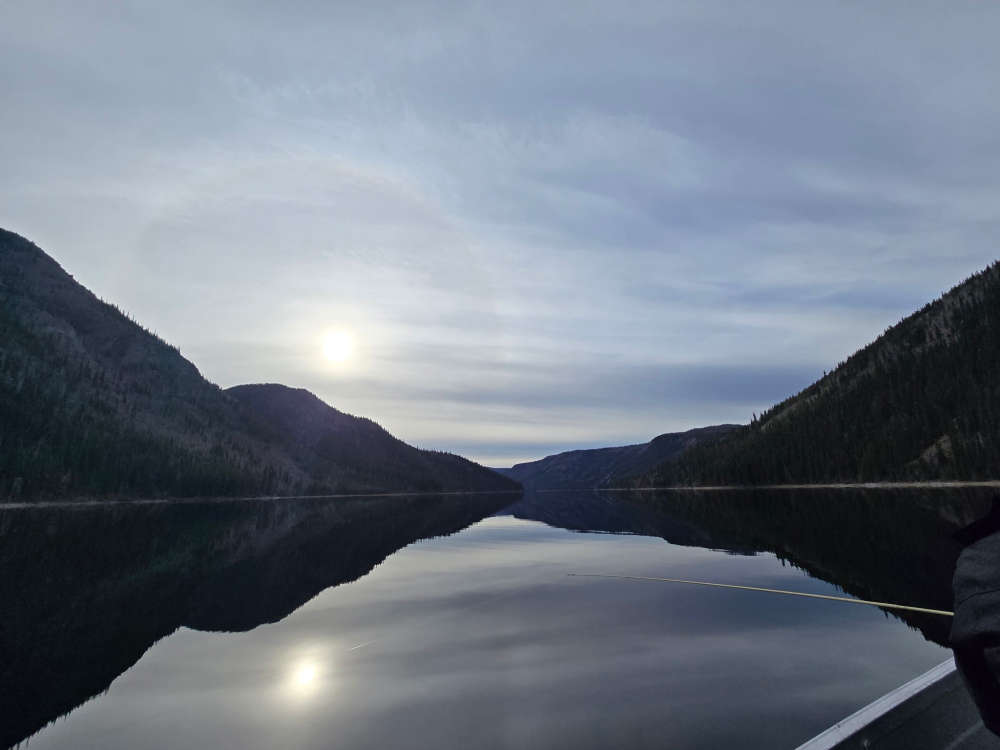 LSCFN stands firm: 'No mining in the Breadbasket'
 Yukon Government accepts responsibility for abuse at Jack Hulland Elementary
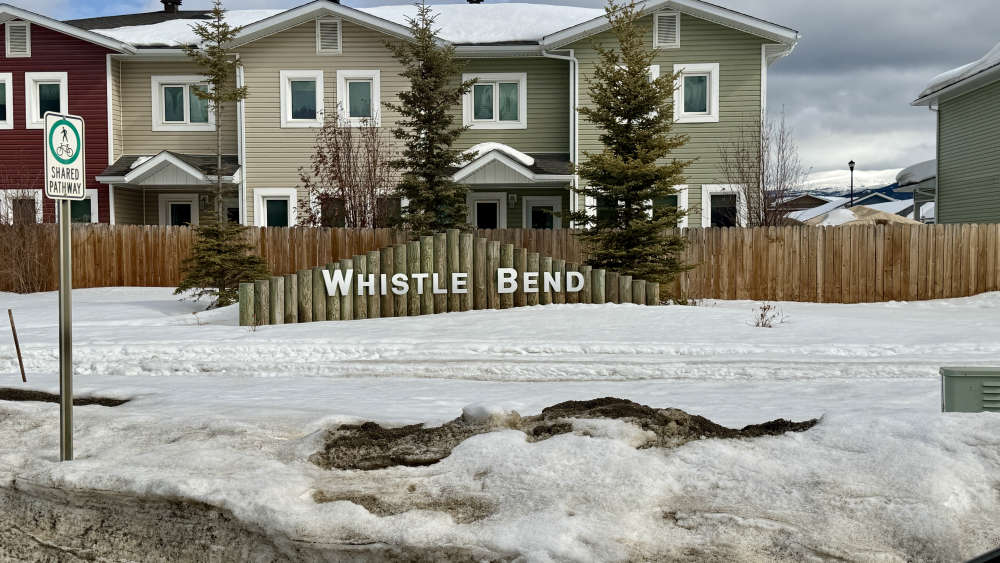 Whistle Bend road connector project gets $8.7M boost from federal government
 Yukon Government signs deal with Alliance Health for primary care clinic
 Man Missing in Whitehorse: Reuben van Klaveren Sought by RCMP