
Friday was a day of celebration on the shore of the Yukon river at Fort Selkirk.
Drumming and singing filled the air on Friday, as over one hundred people including Selkirk First Nations citizens, territorial government officials, and media traveled by boat and plane to Fort Selkirk to witness the government of Yukon and Selkirk First Nation signing the third Fort Selkirk Historic Site Management Plan.
The first plan was signed in 1990, and the second was signed in 2000.
It sets out how the former trading post of Fort Selkirk and it’s 37 historic structures, which includes the Yukon’s oldest house - built in 1890, will be protected.
The new management plan includes a buffer zone around Fort Selkirk where mining can’t happen, and a title raised in 2010, with the Yukon and Selkirk First Nation as co-owners of the site.
“This is a pretty special day,” says Selkirk First Nation Deputy Chief Morris Morrison, “what it means is, the future generations get to enjoy this place as much as I did growing up. There’s a strong history of our people here, and it’s just an opportunity for the youth to learn more about their culture and background.”
The history of Fort Selkirk goes back thousands of years as the home of the Selkirk First Nation. In 1848, Robert Campbell established a Hudson’s Bay store there, which brought colonial culture and development. It’s location along the Yukon River made it a major trading post, and at one point, many considered it the unofficial capital of the Yukon. When the Alaska Highway was built in the 1940s, river travel died down and Fort Selkirk became mostly abandoned. By the 1950s, most full-time residents moved to either Pelly, or Minto.
Media were given a tour of the historical site by Freda Alfred, who’s mother grew up there, and still spends her summers there.
“The majority of our people went to this church because the other church was closed down for 40 years,” Alfred explains, standing in the old St. Andrew's Anglican Church built in 1931, “later on father Bobillier came back and opened up the other church and said the only one who went to that church was Copper Joe.”
Alfred says the Roman Catholics in the community discouraged many first nations traditional practices such as cremations.
Buildings on the site include the church, an RCMP detachment, a Taylor and Drury store, and a machine shop. They have been braced and reinforced to be structurally sound, but work still needs to be done to restore the interiors.
That work will be implemented in phases as funding and resources become available.
Check out more photos on CHONFM's Facebook and instagram pages!
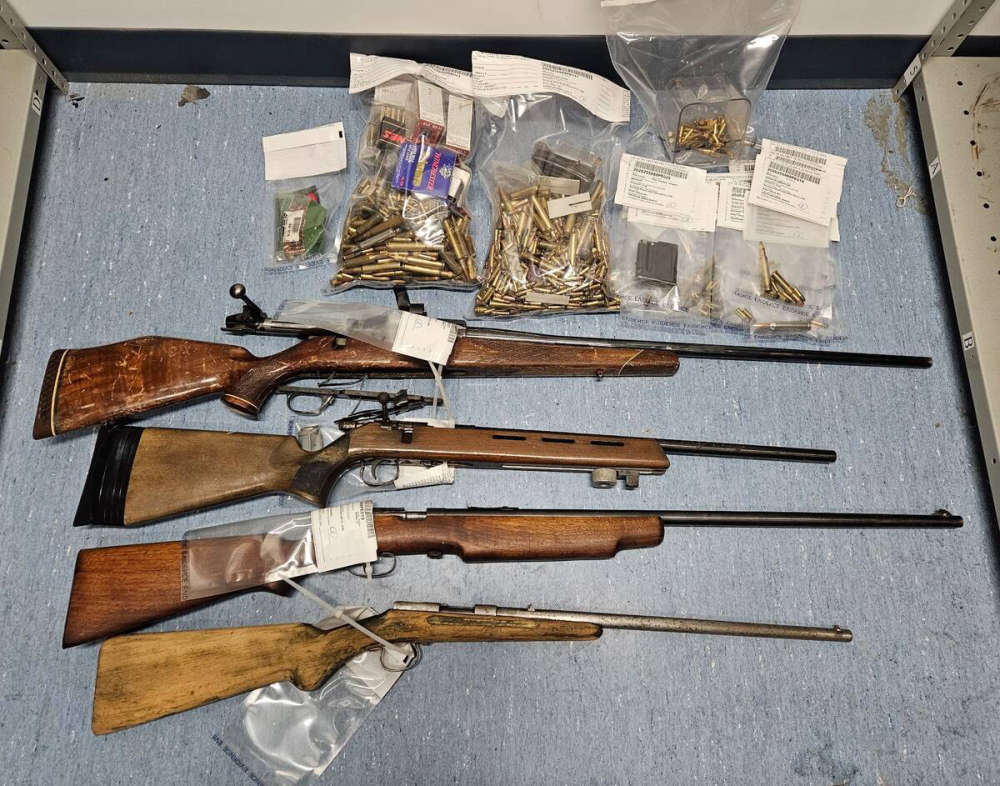 Teslin RCMP arrest two following search warrant
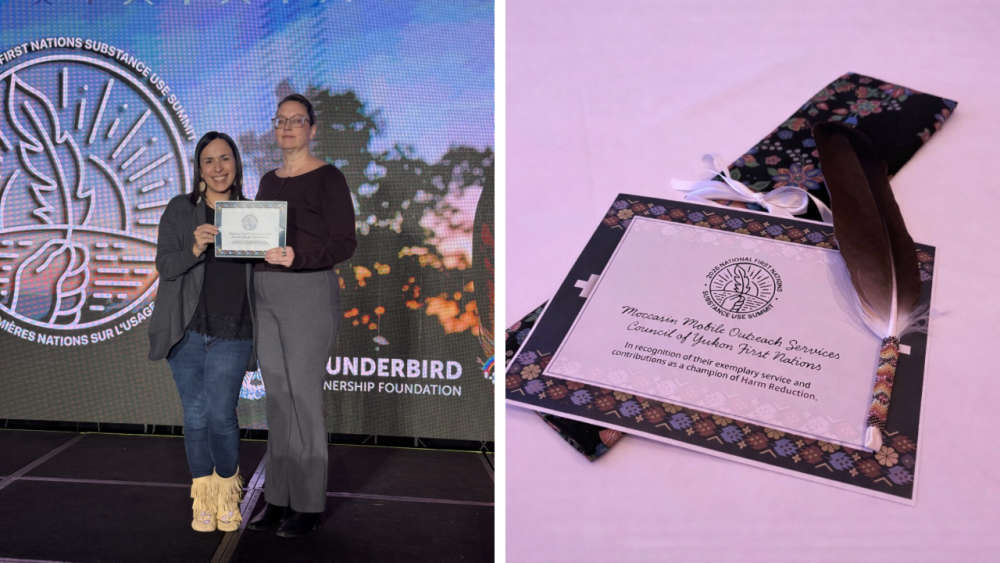 CYFN's Moccasin Mobile Outreach Program receives national recognition for harm reduction efforts
 Winter Games Wednesday with Nancy Thompson - Wednesday 25th February (Audio)
 Tr’ondëk Hwëch’in and Yukon Government partner on Dawson land planning initiative
 Yukon University strike averted as union reaches tentative agreement
 Yukon Government seeks input on new École Whitehorse Elementary School location
 Whitehorse 2026 Arctic Winter Games schedule unveiled
 Jeremy Harper elected as Chief of Selkirk First Nation
 Yukon government pauses implementation of Health Authority, considering repealing Health Authority Act
 Yukon University withdraws from AWG
 $300,000 fund boosts student attendance initiatives in Yukon schools
 Whitehorse to host 2026 Broomball World Championships
 Harper to run for SFN chief
 Helicopters head to Alaska for exercise
 First Nations warn of increased scrutiny at US border, citing ICE actions
 Art brings hope to Whitehorse Shelter amidst challenging times
 Yukon Schools to benefit from national School food program
 Yukon Liberal Party shuffles leadership