



The Council of Canadian Academies released a report titled 'Top Climate Change Risks' which highlighted 12 areas at major risk of damage from climate change.
The Council of Canadian Academies released a report titled 'Top Climate Change Risks' which highlighted 12 areas at major risk of damage from climate change.
The 12 areas are: agriculture and food, coastal communities, ecosystems, fisheries, forestry, geopolitical dynamics, governance and capacity, human health and wellness, Indigenous ways of life, northern communities, physical infrastructure, and water. These risks were chosen based on potential for damage and urgency.
The report describes steps to adapt to these risks and the priority of each risk.
Dr. Bronwyn Hancock, Associate VP of Research Development at the Yukon College, says it's not too late, but the time to act is now "The thing that's really heartening is that we found that adaptation potential for lots of those risks, or our ability to reduce our vulnerability, or to be more resilient, is really high. So with the new adaptation action we can actually offset a lot of those risks. I think that's heartening but there's certainly urgency to act and there's certainly increasing impacts as a result of these risks, all across the country."
The discussion of climate change has been increasing in the past months as many communities, including Whitehorse, have put forward motions, or discussed declaring a climate change emergency. The introduction of the Carbon Tax has also increased debates about the best way to handle the changing environment.
Studies surrounding permafrost thawing have also been frequent lately, with new evidence showing possibly devastating impacts of melting permafrost. On June 10th, 2019, a study from the University of Fairbanks Alaska showed permafrost melting 70 years earlier than expected and at a rate 240 times considered normal.
When permafrost melts, it can release heat trapping gasses into the atmosphere like carbon dioxide and and methane. There is also the risk of flooding, erosion of infrastructure, and possibly even reanimation of diseases trapped in frozen organic matter.
Brian Horton, Manager of Northern Climate Exchange at the Yukon, says action is needed when it comes to thawing permafrost. "Permafrost is certainly affecting infrastructure, and it's affecting landscapes all around Yukon, N.W.T. and into Nunavut. So we've been working with communities and with highways, infrastructure, managers, engineers, trying to understand just how much the permafrost is changing, and to propose measures to help."
The next few years will prove crucial to the outcome of our environment in regards to climate change. The goal of the report is to outline the next steps to take and how to adapt to our shifting climate.
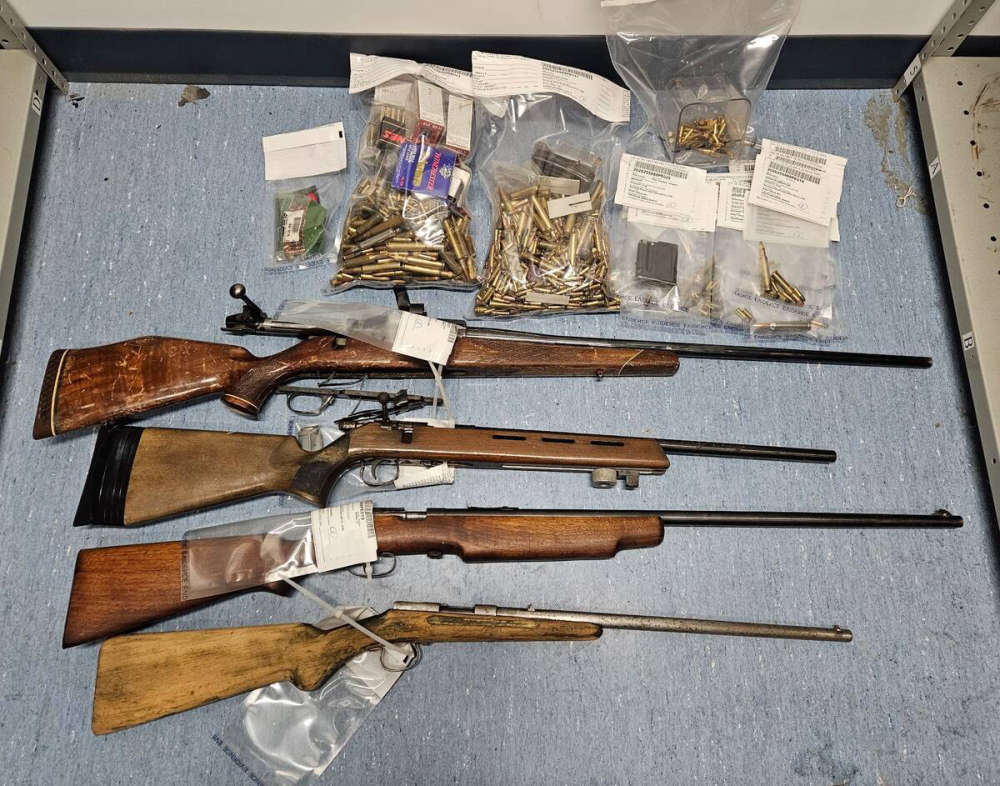 Teslin RCMP arrest two following search warrant
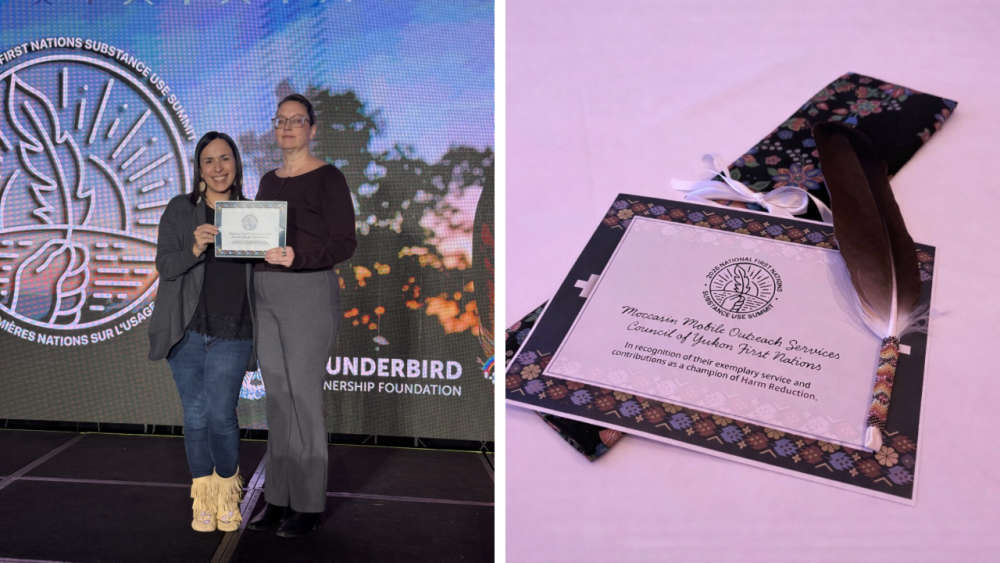 CYFN's Moccasin Mobile Outreach Program receives national recognition for harm reduction efforts
 Winter Games Wednesday with Nancy Thompson - Wednesday 25th February (Audio)
 Tr’ondëk Hwëch’in and Yukon Government partner on Dawson land planning initiative
 Yukon University strike averted as union reaches tentative agreement
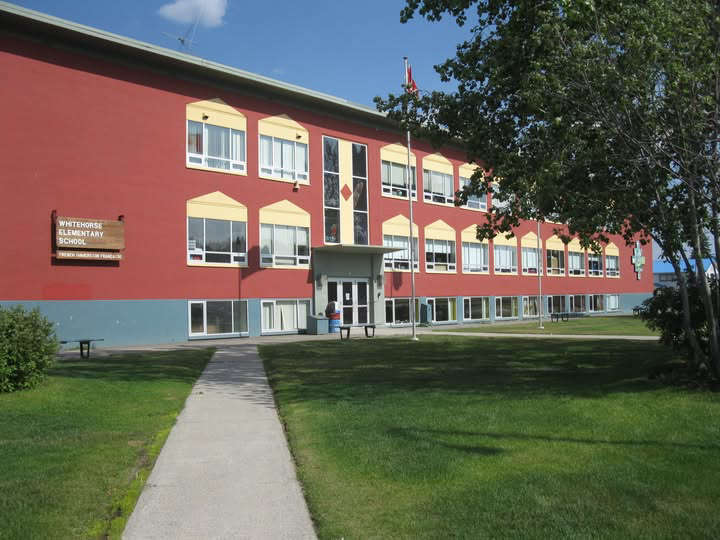 Yukon Government seeks input on new École Whitehorse Elementary School location
 Whitehorse 2026 Arctic Winter Games schedule unveiled
 Jeremy Harper elected as Chief of Selkirk First Nation
 Yukon government pauses implementation of Health Authority, considering repealing Health Authority Act
 Yukon University withdraws from AWG
 $300,000 fund boosts student attendance initiatives in Yukon schools
 Whitehorse to host 2026 Broomball World Championships
 Harper to run for SFN chief
 Helicopters head to Alaska for exercise
 First Nations warn of increased scrutiny at US border, citing ICE actions
 Art brings hope to Whitehorse Shelter amidst challenging times
 Yukon Schools to benefit from national School food program
 Yukon Liberal Party shuffles leadership