



Chief Superintendent Amanda Jones says officer burnout in small detachments with significant social problems may be contributing to officer conduct that has sparked outrage in Nunavut.
Jones says the officers work in communities with some of Canada's highest rates of violent crime, suicide, and substance abuse.
She says in most detachments, officers are either on call or on duty 24-7, and that while members are always accountable, she also has to ask if there's more she could be doing to look after their mental health.
Jones made the comments over concerns about how the force treats Inuit in Nunavut - the most recent example of which was the arrest of an intoxicated Inuit man being knocked over by the door of slow moving police vehicle.
Jones says the force will be bringing in a new cultural awareness course and trying to start a program for community people to work alongside officers.
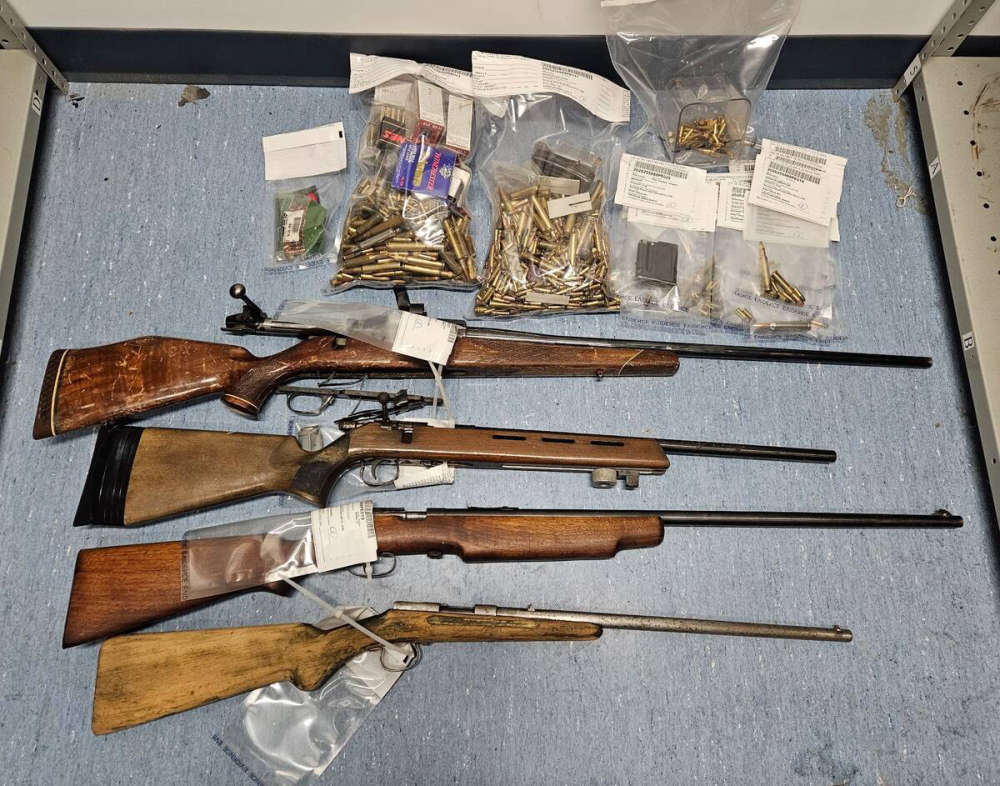 Teslin RCMP arrest two following search warrant
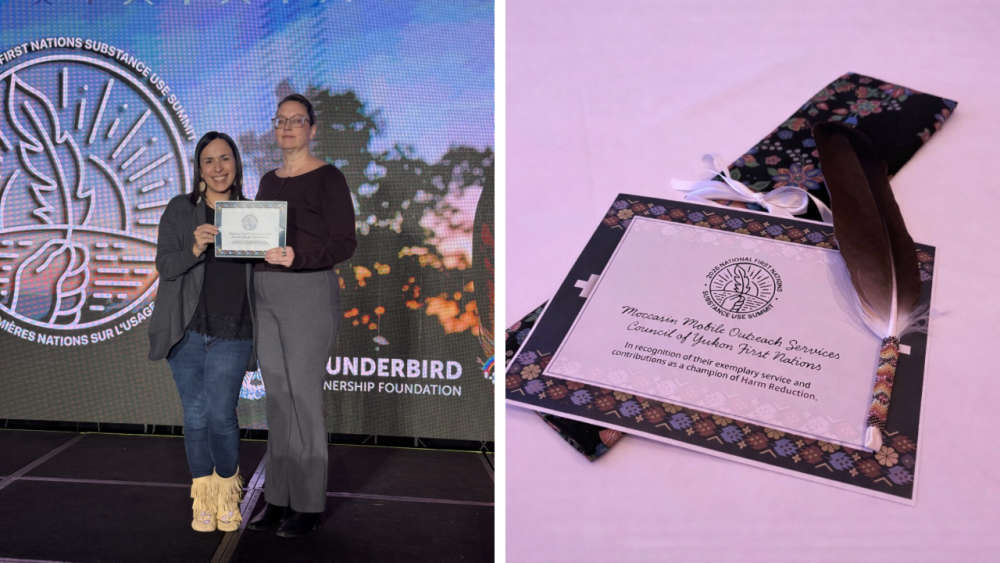 CYFN's Moccasin Mobile Outreach Program receives national recognition for harm reduction efforts
 Winter Games Wednesday with Nancy Thompson - Wednesday 25th February (Audio)
 Tr’ondëk Hwëch’in and Yukon Government partner on Dawson land planning initiative
 Yukon University strike averted as union reaches tentative agreement
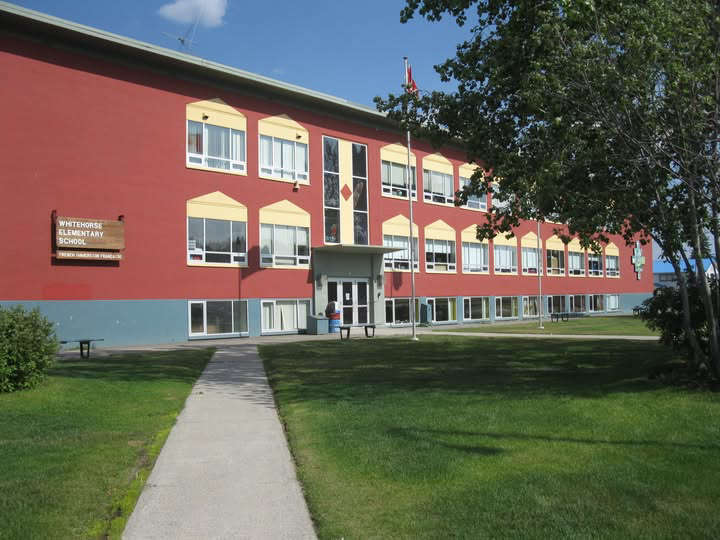 Yukon Government seeks input on new École Whitehorse Elementary School location
 Whitehorse 2026 Arctic Winter Games schedule unveiled
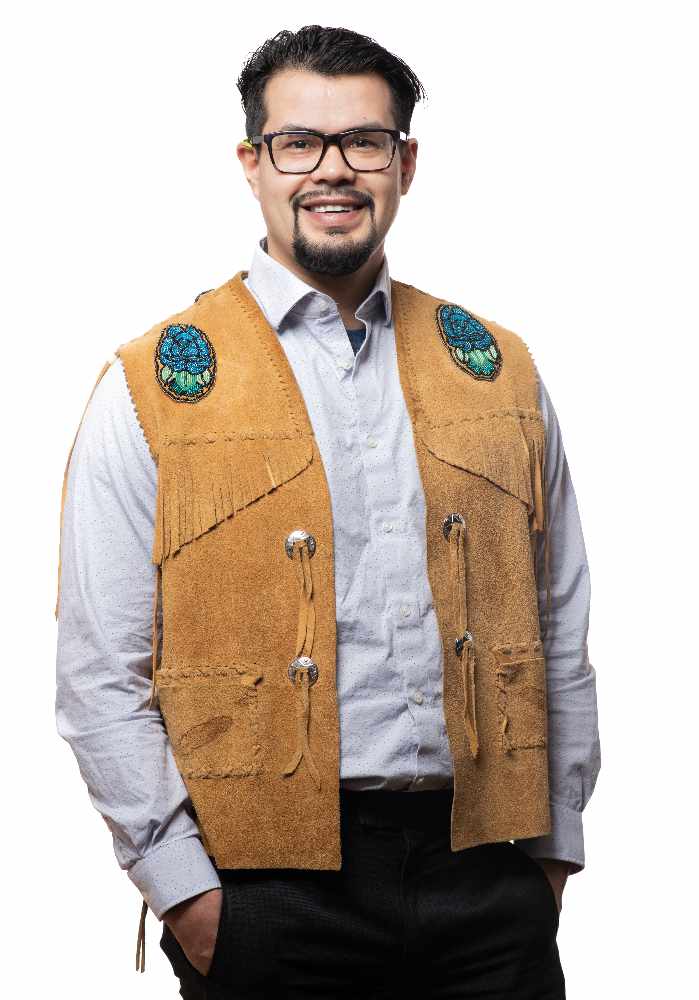 Jeremy Harper elected as Chief of Selkirk First Nation
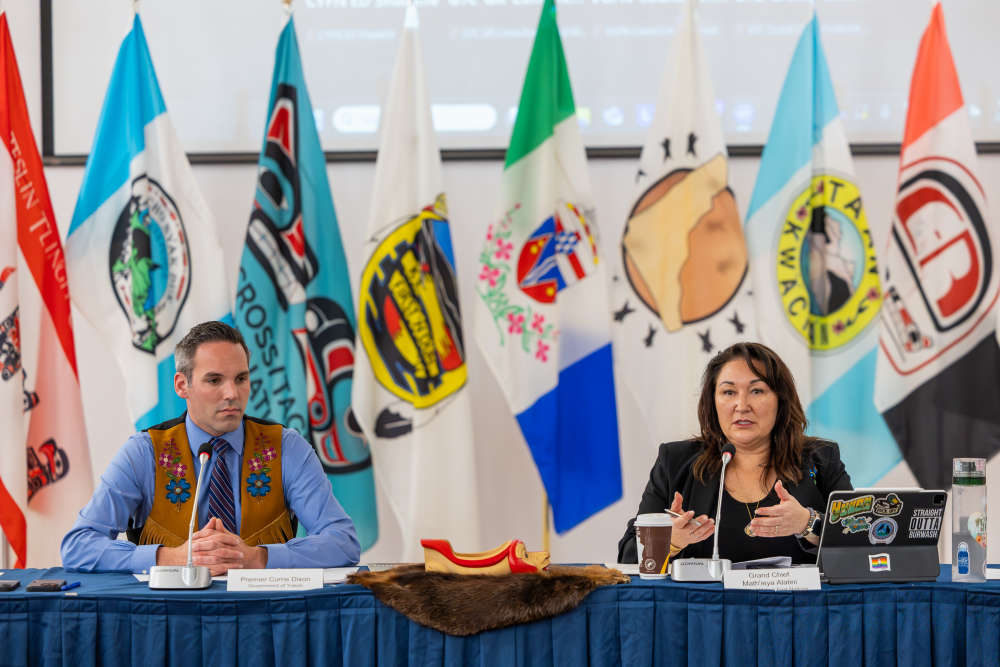 Yukon government pauses implementation of Health Authority, considering repealing Health Authority Act
 Yukon University withdraws from AWG
 $300,000 fund boosts student attendance initiatives in Yukon schools
 Whitehorse to host 2026 Broomball World Championships
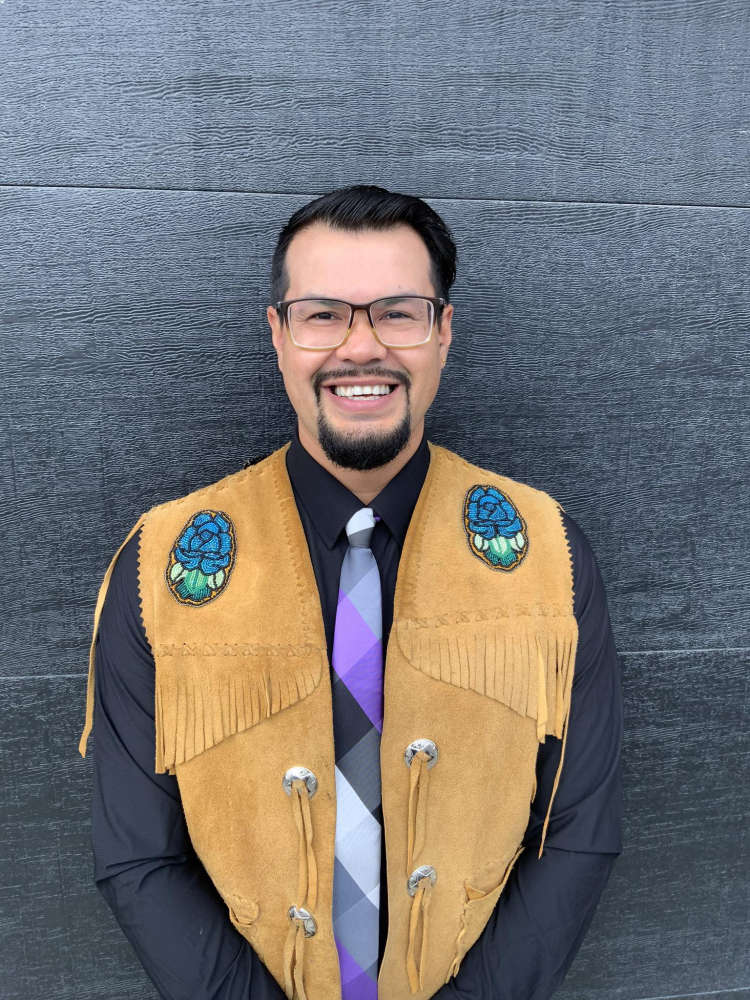 Harper to run for SFN chief
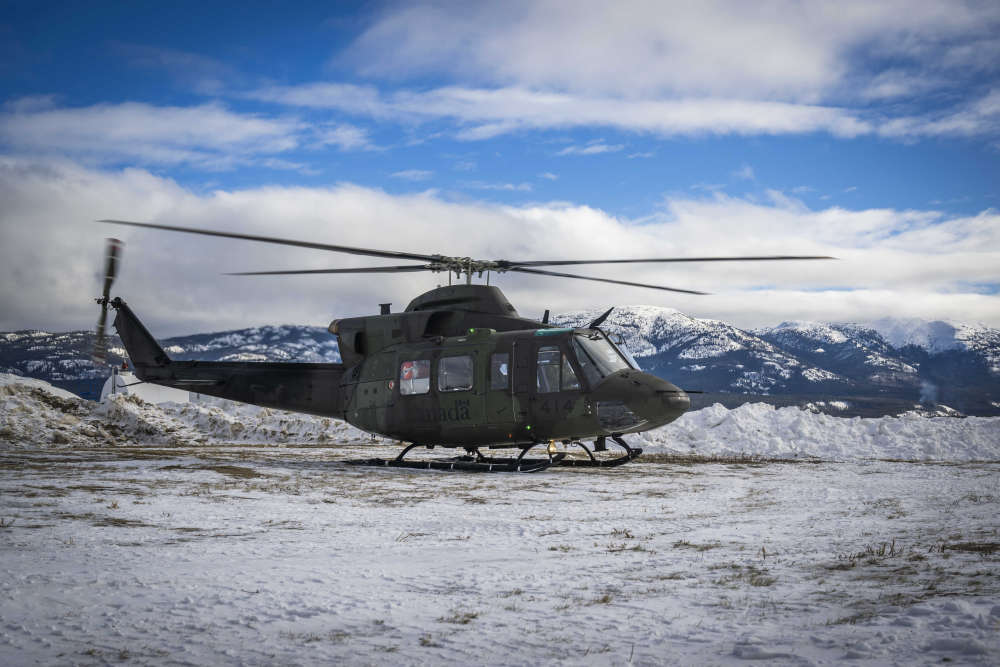 Helicopters head to Alaska for exercise
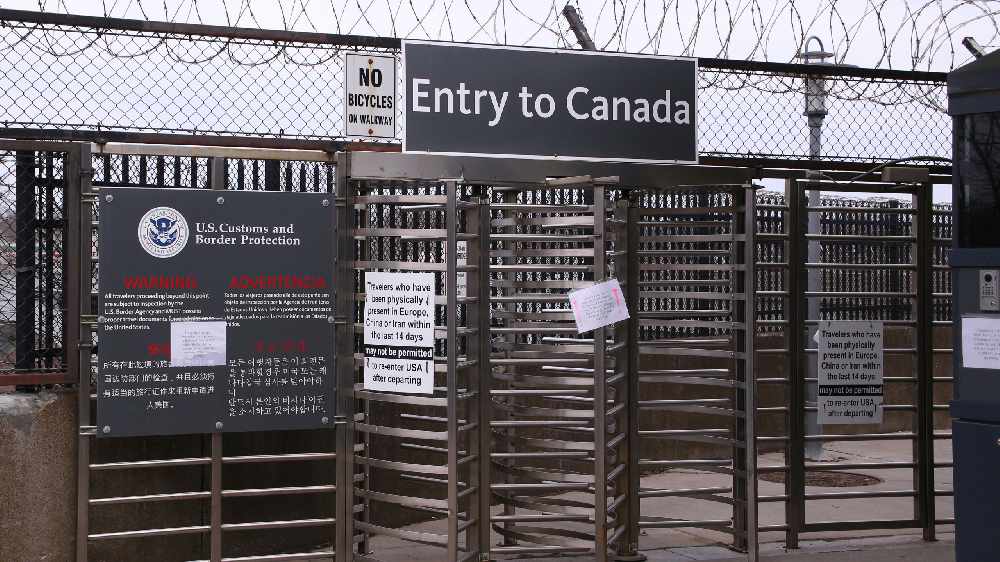 First Nations warn of increased scrutiny at US border, citing ICE actions
 Art brings hope to Whitehorse Shelter amidst challenging times
 Yukon Schools to benefit from national School food program
 Yukon Liberal Party shuffles leadership