


The inquiry into missing and murdered Indigenous women and girls wants governments to create a national police force that would address persistent questions for families and survivors.
OTTAWA -- The inquiry into missing and murdered Indigenous women and girls wants governments to create a national police force that would address persistent questions for families and survivors.
Chief Commissioner Marion Buller, who spoke in Ottawa on Wednesday as she unveiled interim findings, said the inquiry does not have a police arm-- a challenge her commission has confronted from the beginning of its mandate.
"According to our terms of reference, we can refer matters back to police services, other services, for re-investigation when we find new information in particular," Buller said at a press conference. "That's an important distinction."
Buller explained that the need for justice has been consistently raised across the country by families and survivors who want answers, but families do not fall "neatly" into the box that the inquiry can offer.
"They have questions and they desperately want answers about what happened to their lost loved ones, why investigations were stopped, why leads weren't followed up on ... it is vital for their healing that they do find out," Buller said.
In its interim report released on Wednesday, entitled "Our Women and Girls are Sacred," the inquiry also said the federal government's procurement and contracting policies resulted in an eight-month delay setting up offices.
The report said the offices initially had to operate without proper phones, internet and office equipment, and that there were long delays in procuring the material necessary for staffers to do their work.
The commissioners also said the inquiry has to adhere to human resources, information technology and contracting rules that apply to all areas of the federal government -- restrictions that they say have badly impaired the inquiry's ability to contract the necessary people and services.
"We have faced several obstacles from a bureaucratic and procedural and policy perspective in getting our national inquiry up and running and mobilized all across Canada," Buller said.
"We need enough time to do the job properly, to hear from families and survivors who want to speak to us, to hear from institutions about their policies and procedures, and to hear from experts in human rights and other topics."
The federal Liberal government has earmarked $53.8 million over two years for the inquiry, which is aimed at examining the patterns and factors underlying violence against Aboriginal women and girls in Canada.
More time and money will be required but Buller refrained from saying how much on Wednesday.
She went on to compare work of the inquiry to that of the Truth and Reconciliation Commission, which explored the legacy of Canada's residential school system -- a tragedy that was purely historical in scope.
"Our problems are historical and ongoing," Buller said, suggesting perhaps that her inquiry will need at least as long as the TRC.
"Indigenous women and girls are suffering violence. That somehow has become normalized, and that is a national tragedy ... it comes back to how long it's going to take to do this right."
As the inquiry's work continues to ramp up and gain profile, more and more people are coming forward who want to be heard, Buller added.
Of all 900 people who have come forward so far, 100 of them registered in the last month alone.
(Canadian Press)
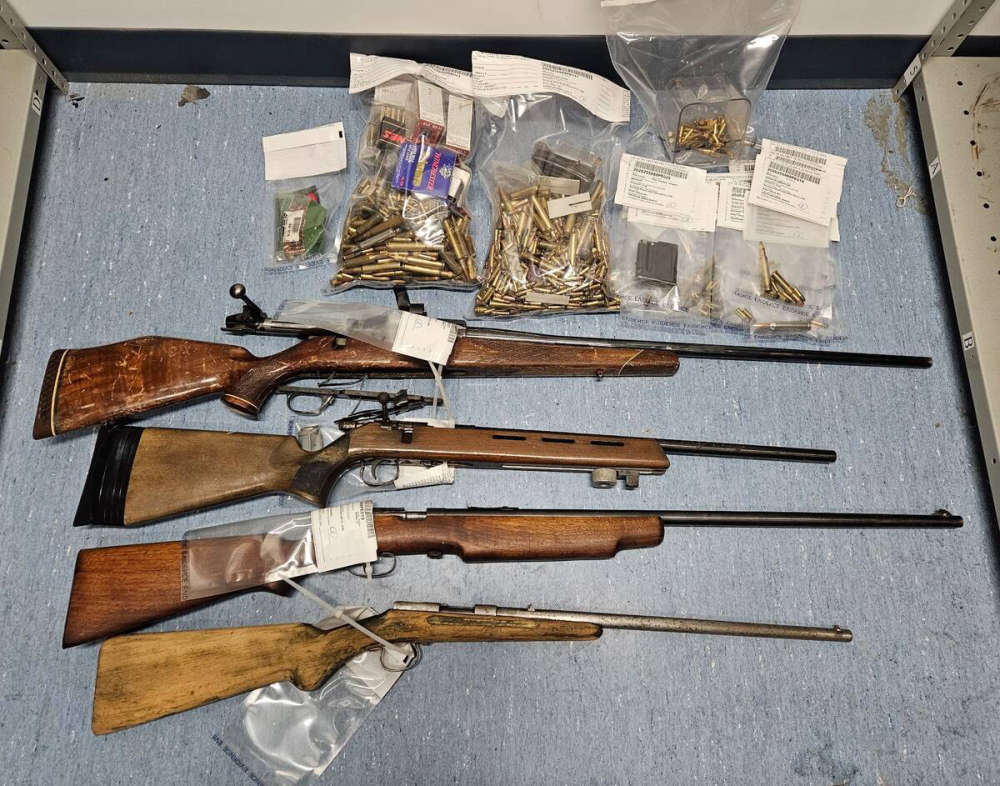 Teslin RCMP arrest two following search warrant
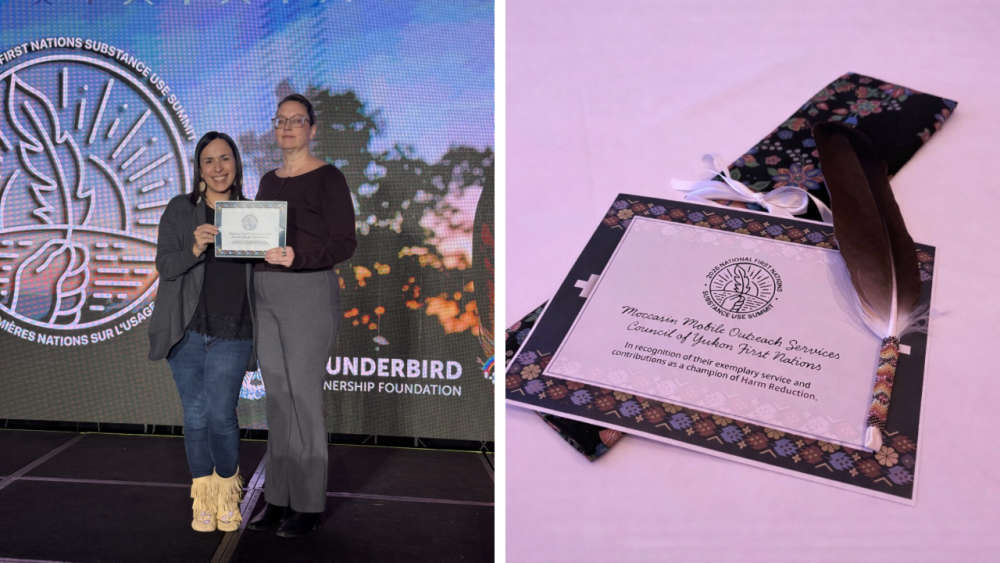 CYFN's Moccasin Mobile Outreach Program receives national recognition for harm reduction efforts
 Winter Games Wednesday with Nancy Thompson - Wednesday 25th February (Audio)
 Tr’ondëk Hwëch’in and Yukon Government partner on Dawson land planning initiative
 Yukon University strike averted as union reaches tentative agreement
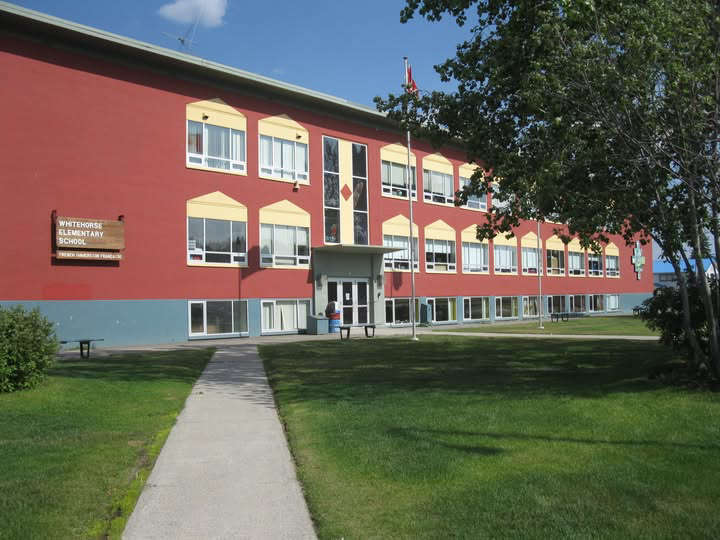 Yukon Government seeks input on new École Whitehorse Elementary School location
 Whitehorse 2026 Arctic Winter Games schedule unveiled
 Jeremy Harper elected as Chief of Selkirk First Nation
 Yukon government pauses implementation of Health Authority, considering repealing Health Authority Act
 Yukon University withdraws from AWG
 $300,000 fund boosts student attendance initiatives in Yukon schools
 Whitehorse to host 2026 Broomball World Championships
 Harper to run for SFN chief
 Helicopters head to Alaska for exercise
 First Nations warn of increased scrutiny at US border, citing ICE actions
 Art brings hope to Whitehorse Shelter amidst challenging times
 Yukon Schools to benefit from national School food program
 Yukon Liberal Party shuffles leadership