



A statement released by the Office of the Correctional Investigator indicates a significant over-representation of first nations inmates in the Canadian prison population.
First nations people account for approximately 5 per cent of the Canadian population but make up 30 per cent of the federal inmate population. That’s up from 25 per cent just four years ago. Indigenous women account for 42 per cent of all women in federal custody.
In the Yukon however, incarceration rates for indigenous people are even higher. In the Yukon, a 2018 report indicated a total of 476 incarcerated adults – down 30 per cent since 2007. Currently 62 per cent of Yukon inmates are first nations – down from 76 per cent in 2007.
The correctional investigator of Canada, Ivan Zinger, says this trend is disturbing and he called for urgent actions from both corrections and the government. He called the indigenization of Canada’s prison population a national travesty. Zinger says that Indigenous people are more likely to be placed in maximum security institutions, server higher proportions of their sentences before parole and are returned to custody at much higher rates than non-Indigenous people. Zinger indicated that federal corrections seem to have no interest in addressing the needs, histories and social realities behind high rates of indigenous offending.
Zinger continued, estimating that on this trajectory the pace is set for Indigenous people to comprise 33% of the total federal inmate population in the next 3 years. Over the long term, despite the findings of Royal Commissions and National Inquiries, no government of any level has managed to reverse the trend of Indigenous over-representation in Canadian jails and prisons. Despite the high numbers, Zinger says that he is not necessarily surprised by the data.
Ultimately Zinger says that all of these outcomes come under the exclusive domain of the Correctional Service of Canada (CSC). He says that has ignored the data and recused itself from any responsibility for Indigenous representation, instead insisting that the corrections system is simply at the receiving end of the criminal justice system, and has no control over who gets no control or jurisdiction over factors that decide who is sent to prison and for how long.
Jordan Crosby, director of parliamentary affairs, says there is much work to be done but points to certain actions such as a streamlined bail system, investments to support reintegration of incarcerated indigenous people and the opening of a healing lodge in Winnipeg.
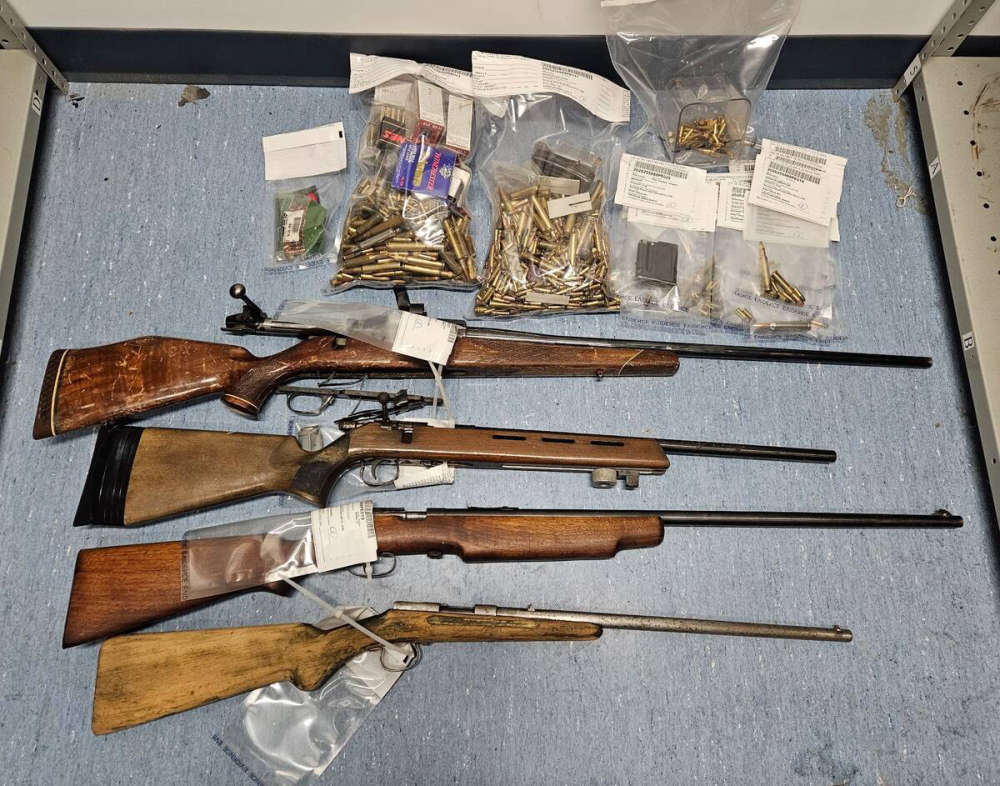 Teslin RCMP arrest two following search warrant
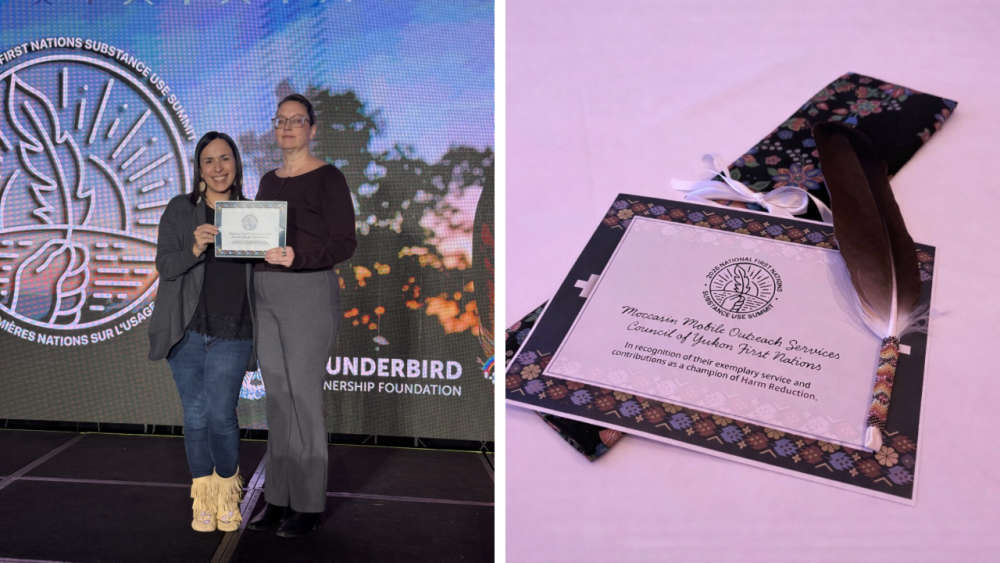 CYFN's Moccasin Mobile Outreach Program receives national recognition for harm reduction efforts
 Winter Games Wednesday with Nancy Thompson - Wednesday 25th February (Audio)
 Tr’ondëk Hwëch’in and Yukon Government partner on Dawson land planning initiative
 Yukon University strike averted as union reaches tentative agreement
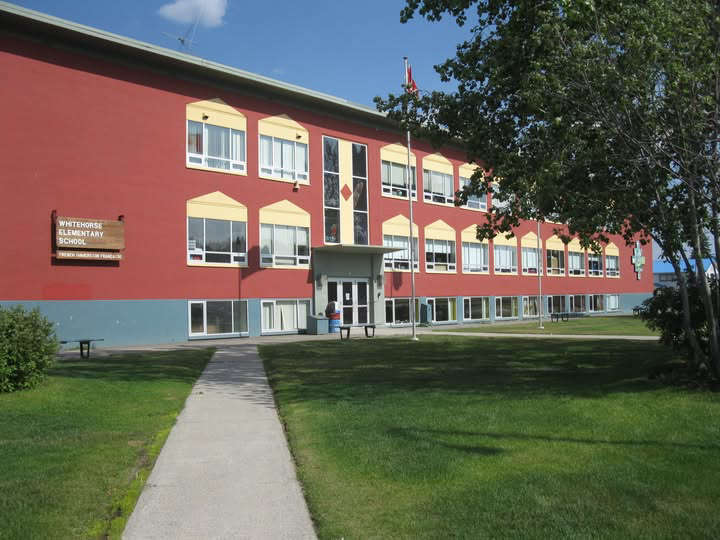 Yukon Government seeks input on new École Whitehorse Elementary School location
 Whitehorse 2026 Arctic Winter Games schedule unveiled
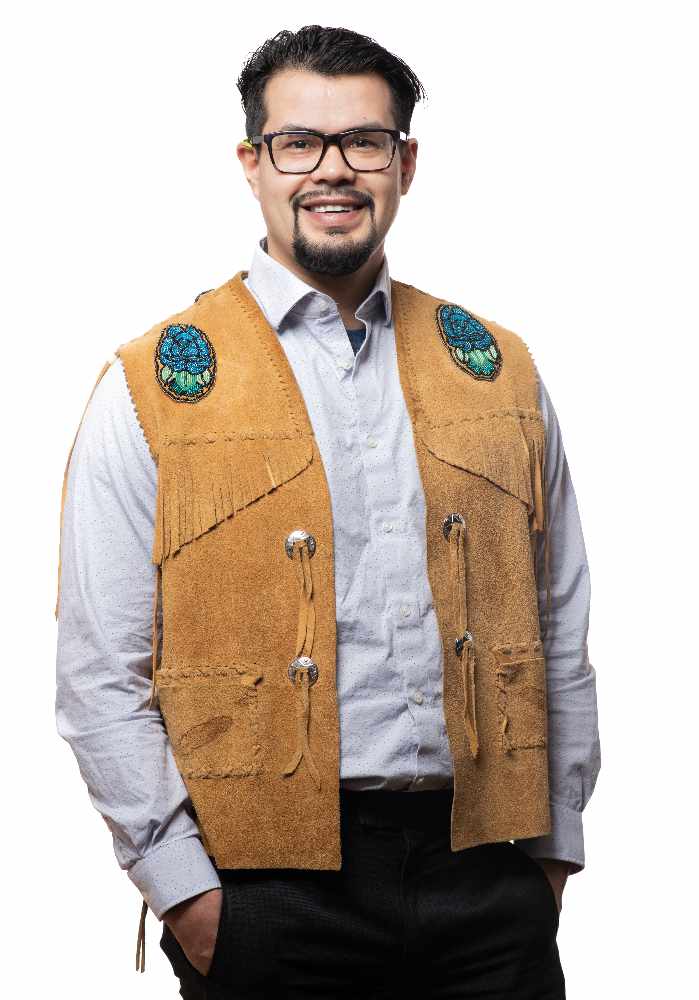 Jeremy Harper elected as Chief of Selkirk First Nation
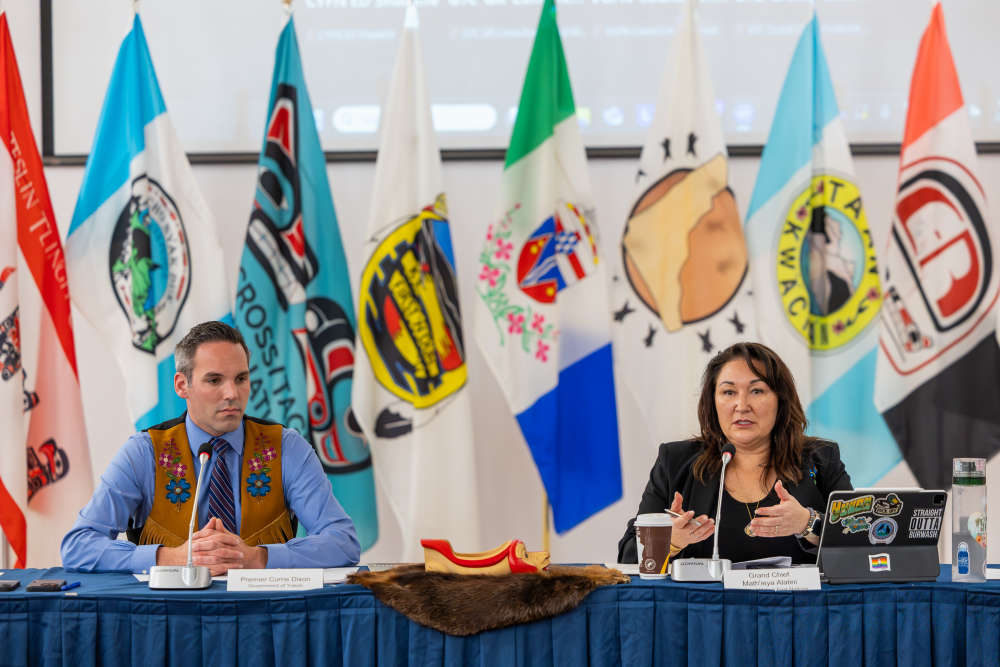 Yukon government pauses implementation of Health Authority, considering repealing Health Authority Act
 Yukon University withdraws from AWG
 $300,000 fund boosts student attendance initiatives in Yukon schools
 Whitehorse to host 2026 Broomball World Championships
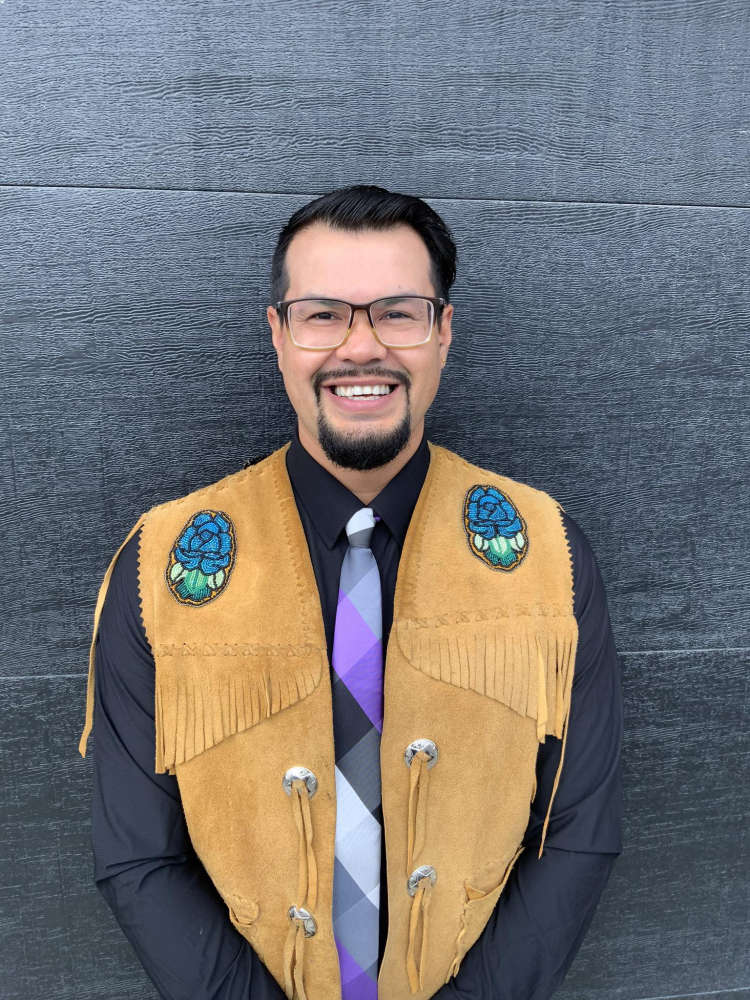 Harper to run for SFN chief
 Helicopters head to Alaska for exercise
 First Nations warn of increased scrutiny at US border, citing ICE actions
 Art brings hope to Whitehorse Shelter amidst challenging times
 Yukon Schools to benefit from national School food program
 Yukon Liberal Party shuffles leadership