



Indian Day Schools began in the 1920's, and were similar to residential schools except students were permitted to return home every evening.
The Federal Court has approved a nation-wide class action settlement to compensate survivors for harms suffered at Federal Indian Day schools.
Compensation ranges from $10,000 as a baseline of attending a Federal Indian Day School to $200,000 for repeated sexual abuse or physical assault causing long-term harm.
According to the Federal Indian Day School Class Action website "The settlement recognizes that harm was experienced not only by individual people, but also by families and whole communities. That is why it also includes a $200M Legacy Fund to support commemoration projects, health and wellness programs, as well as language and culture initiatives for Indigenous communities."
Indian Day Schools began in the 1920's, and were similar to residential schools except students were permitted to return home every evening.
The class action came after reports of physical, sexual, and emotional abuse in the schools, which had over 200,000 students in more than 700 schools.
The website describes the Class Action as, "The first of its kind and seeks compensation for the damages and abuses suffered by all Indian Day School students who were forced to attend Indian Day Schools and were excluded from the Indian Residential Schools Settlement Agreement."
The plaintiff's were represented by Gowling WLG, which is a national law firm consistently recognized for its representative work on behalf of First Nations organizations across Canada.
A 90-day opt-out period and a 60-day appeal period has now begun, meaning that any class member who does not agree with the terms can choose to remove themselves from the process.
Claims for compensation will begin to be processed 120 days from August 19th, with the deadline opting-out being November 18th.
Those who opt-out retain the right to bring an individual claim against Canada at their own cost for harms suffered however, once an individual has opted-out they cannot reverse the decision.
Those who claim the settlement compensation cannot file individual claims against Canada, however they retain the right to file claims against their province/territory and religious groups who operated the schools.
Mental health counselling and crisis support is available to Class Members 24/7 through the Hope for Wellness Hotline, available in English, French, Cree, Ojibway, and Inuktitut, per request.
The schools operated separately from residential schools, and therefore they were not included in the Indian Residential Schools Settlement Agreement approved in 2006 nor the 2007 Indian Residential Schools Settlement Agreement.
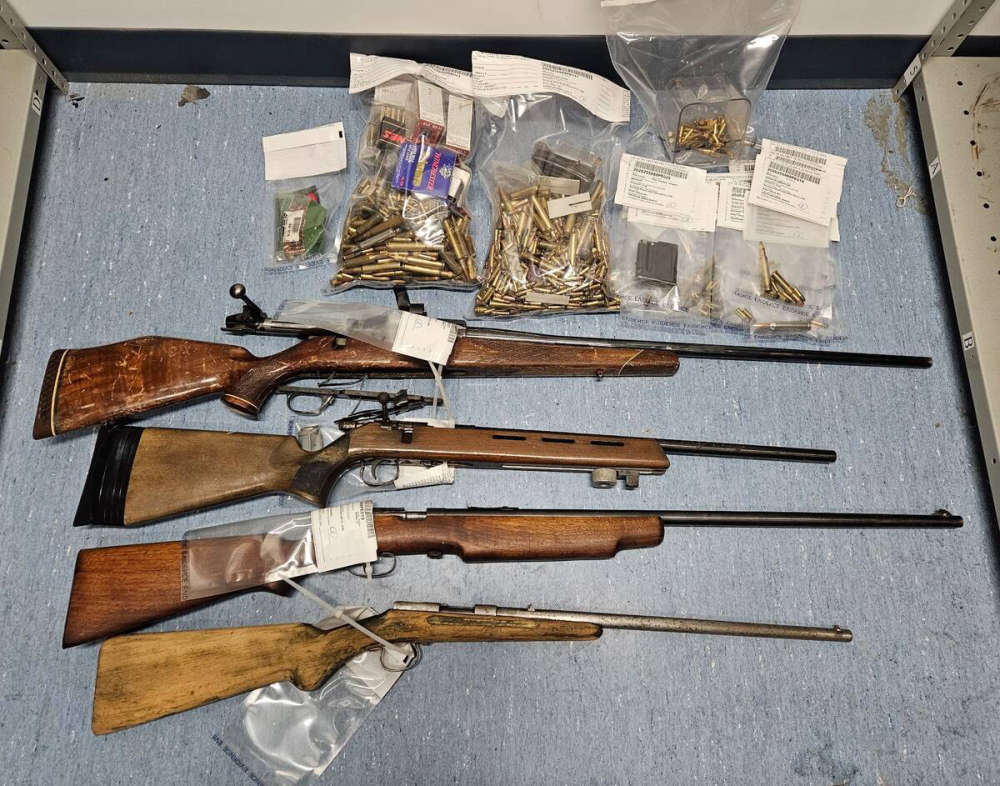 Teslin RCMP arrest two following search warrant
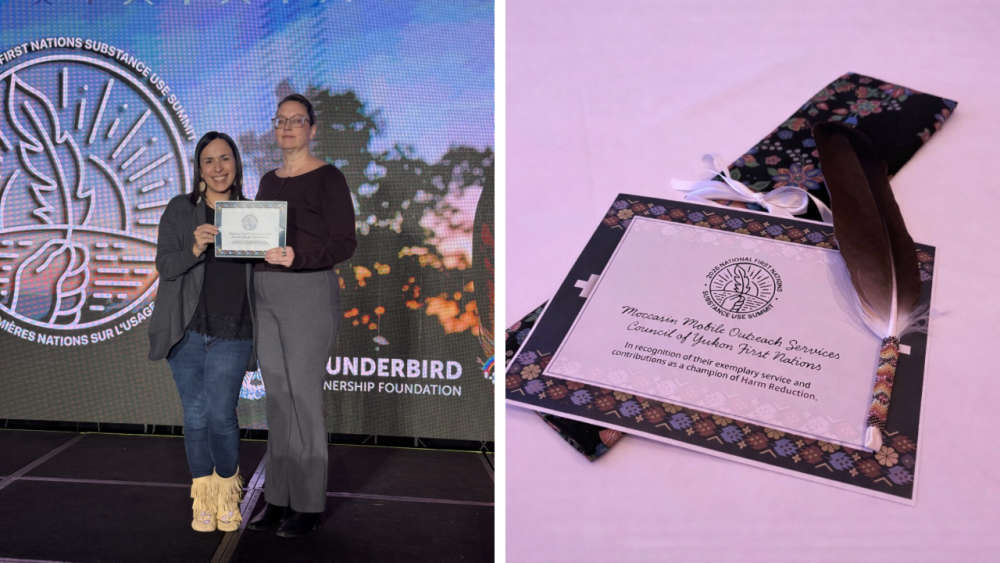 CYFN's Moccasin Mobile Outreach Program receives national recognition for harm reduction efforts
 Winter Games Wednesday with Nancy Thompson - Wednesday 25th February (Audio)
 Tr’ondëk Hwëch’in and Yukon Government partner on Dawson land planning initiative
 Yukon University strike averted as union reaches tentative agreement
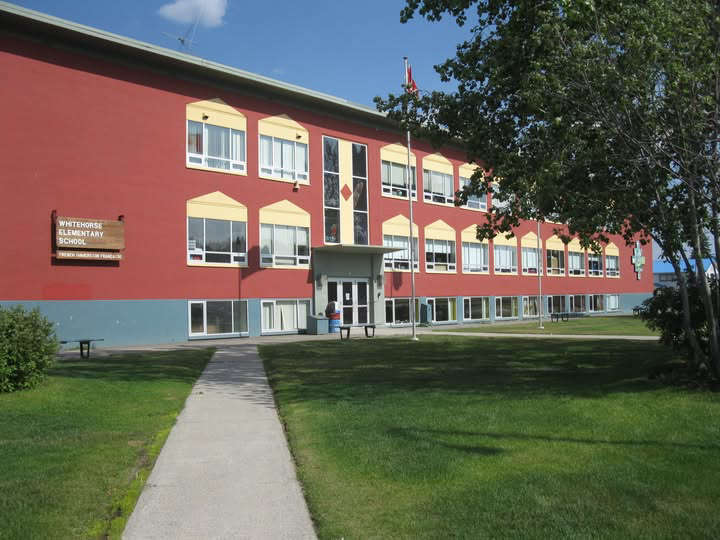 Yukon Government seeks input on new École Whitehorse Elementary School location
 Whitehorse 2026 Arctic Winter Games schedule unveiled
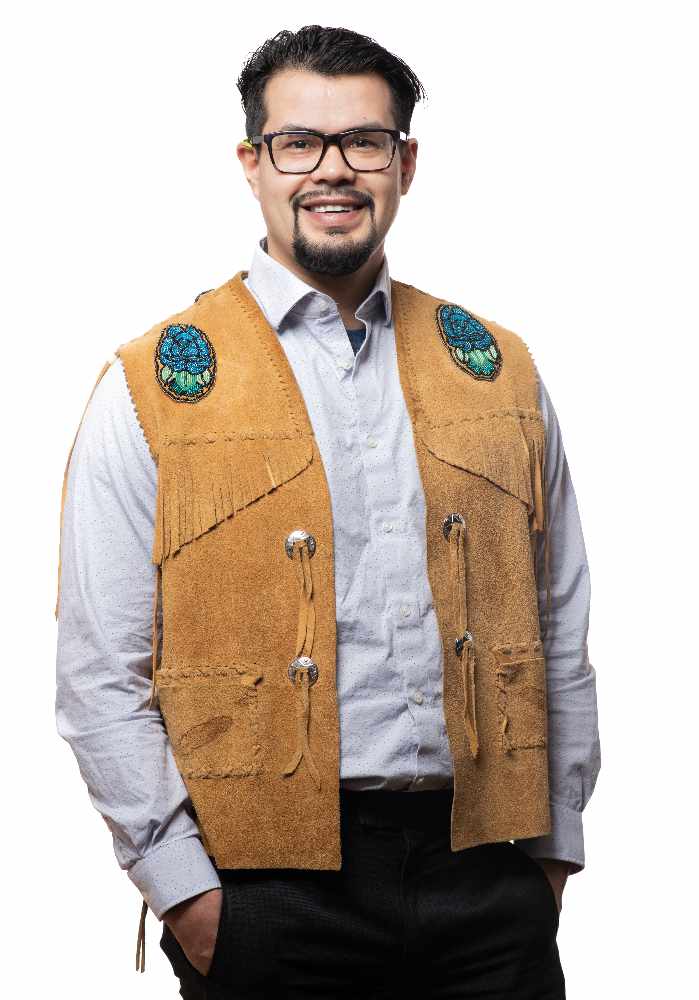 Jeremy Harper elected as Chief of Selkirk First Nation
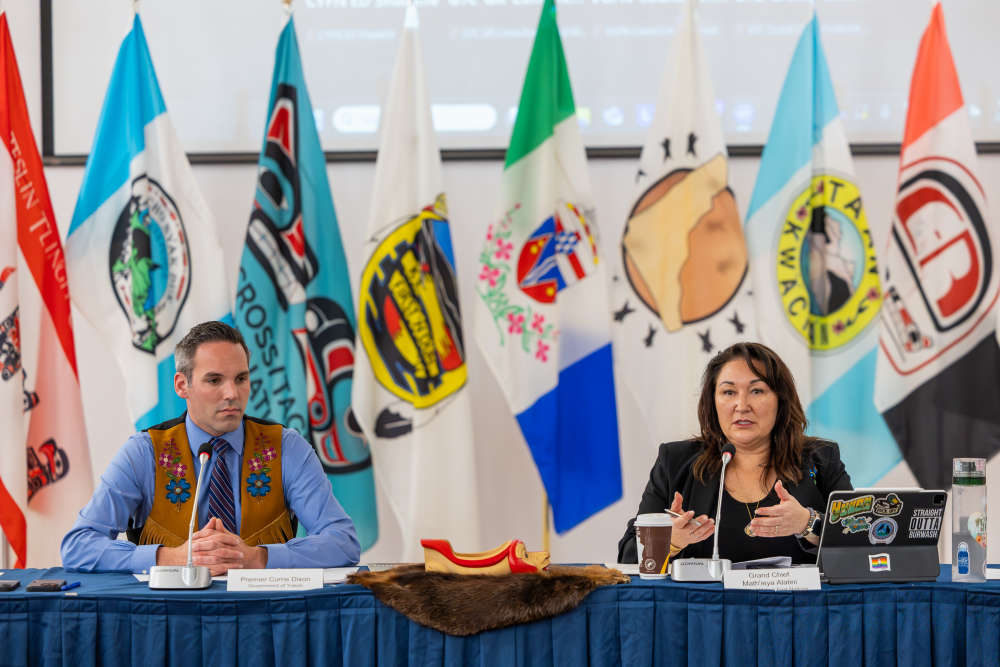 Yukon government pauses implementation of Health Authority, considering repealing Health Authority Act
 Yukon University withdraws from AWG
 $300,000 fund boosts student attendance initiatives in Yukon schools
 Whitehorse to host 2026 Broomball World Championships
 Harper to run for SFN chief
 Helicopters head to Alaska for exercise
 First Nations warn of increased scrutiny at US border, citing ICE actions
 Art brings hope to Whitehorse Shelter amidst challenging times
 Yukon Schools to benefit from national School food program
 Yukon Liberal Party shuffles leadership