



Lance Twitchell started the second day of the summit by commenting on the difficulties Indigenous people face regarding learning their own native languages.
Difficulties Learning Languages
Discussions around difficulties facing Indigenous people to learn their respective Tlingit, Haida and Tsimshian languages started off Day Two at the language summit.
Lance Twitchell, a Professor of the Tlingit language in Alaska Southeast,spoke in Tlingit and said while young people are learning their language in the Pacific northwest, many are having issues speaking it fluently in everyday life.
In respect to Tlingit, many speakers explained the sadness they feel for not being able to speak their Indigenous languages to those closest around them,even if they’re fluent.
Herman Davis, a Tlingit speaker from Sitka, asked for forgiveness as he used spoke partially in English during his speech that was spoken primarily in Tlingit.
He personally thanked all the language teachers attending Day 2 of the summit.
Elder Davis also says he always heard the Tlingit language growing up, and as he hears it more, it becomes easier to recollect words or phrases that he’s lost.

Tlingit Elder Frances Delores (on screen) speaking at summit
Yatxaakw, or Francis Kraus, say even though she has an accents, she still speaks Tlingit.
Even when she couldn't find anyone to talk with, she participated in school classrooms with other students to help her with the Tlingit language.
She says while kids are put in classrooms to learn Tlingit, Elders and fluent speakers are needed to help teachers teach children the Tlingit language.
Kraus says written Indigenous text such as Tlingit is often mispronounced by language learners, often making it difficult to remember the word properly.
She mentions audio archive material available online or recordings from cd's helps with the pronunciation of these words and are more impactful for language learners.
Study
In the afternoon, speaker Dr. Alace Taff, a professor of the University of Alaska Southeast, provided results from health studies and their connection between language, culture and First Nation well-being.
Taff, citing studies, says an Indigenous community with stronger connection to their native language has overall lower suicide rates and a healthier community.
Taff also cited over-induced stress and diabetes and that many of First Nations went through health deterioration while at boarding schools.
This trauma at boarding schools was also found to have inter-generational for First Nations families, however a reversed environment with re-connection of First Nations culture and language started a healing process for these individuals.
Taff suggests the preservation of Indigenous languages, such as hiring of Indigenous language teachers, is more important for well-being in communities as opposed to hiring more counselors for those impacted by this inter-generational trauma.

Dr. Alice Taff, a professor of the University of Alaska Southeast, speaking about the health studies at the summit
Discussion Around Fluency of Native Languages
Utkweiyum, also known as John Martin, says there's nothing better for Elders than to hear young Indigenous people speak in their native languages.
He says at this time of the day when the suns going down and it's getting dark, he likes meeting up with his Tlingit friends and to speak Tlingit.
Heritage Alaskan Heritage President Rosia Worl say's this summit is the best way to showcase the portrayal of Indigenous languages, and helps to give First Nations youth opportunity and strength to learn their own indigenous languages.
Thoughts and Prayers given to Tsimshian Who Falls Ill
Richard Sidney also commented on one Tsimshian who has fallen ill, and said those who cry with the individual and those impacted give everyone the strength and courage to carry on.
Following the announcement, First Nations all helped provide donations to the person impacted whose currently in a Juneau hospital.
Tlingit , Haida and Tsimshian First Nation members all graciously donated to help with expenses.

People donating and coming together during the difficult time after the announcement to help cover expenses.
Sealaska Heritage Rosita Worl says the strength and support shown from the Tsimshian, Tlingit, and Haida people from the recent fluent Tsimshian who has fallen ill says is remarkable, and showcases that Indigenous strength and solidarity has never been stronger than before.
On one of the closing ceremonies of the afternoon, a Tlingit Elder paid tribute to the Tsimshian member who has fallen ill by conducting a traditional ceremonial dance and prayer.
Tlingit, Haida and Tsimshian storytelling begins tomorrow at 9 for day three of the language summit in Juneau.
 Teslin RCMP arrest two following search warrant
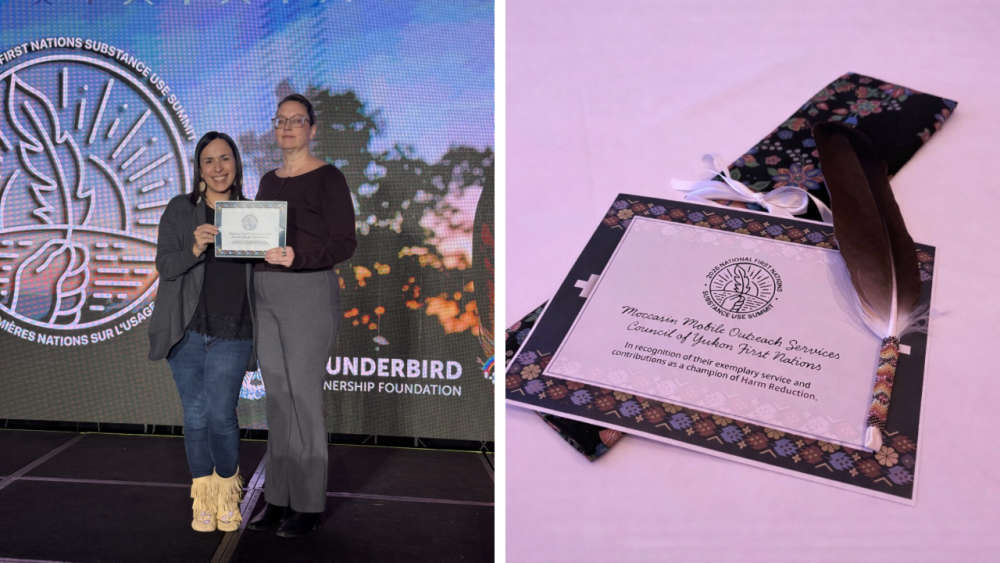 CYFN's Moccasin Mobile Outreach Program receives national recognition for harm reduction efforts
 Winter Games Wednesday with Nancy Thompson - Wednesday 25th February (Audio)
 Tr’ondëk Hwëch’in and Yukon Government partner on Dawson land planning initiative
 Yukon University strike averted as union reaches tentative agreement
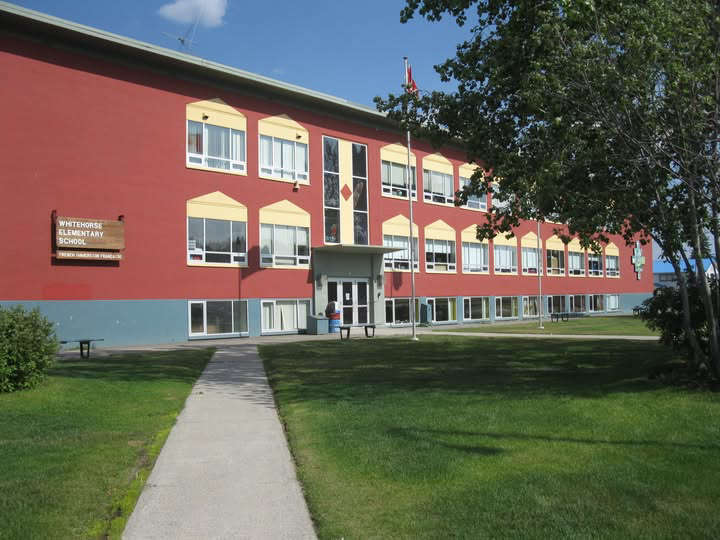 Yukon Government seeks input on new École Whitehorse Elementary School location
 Whitehorse 2026 Arctic Winter Games schedule unveiled
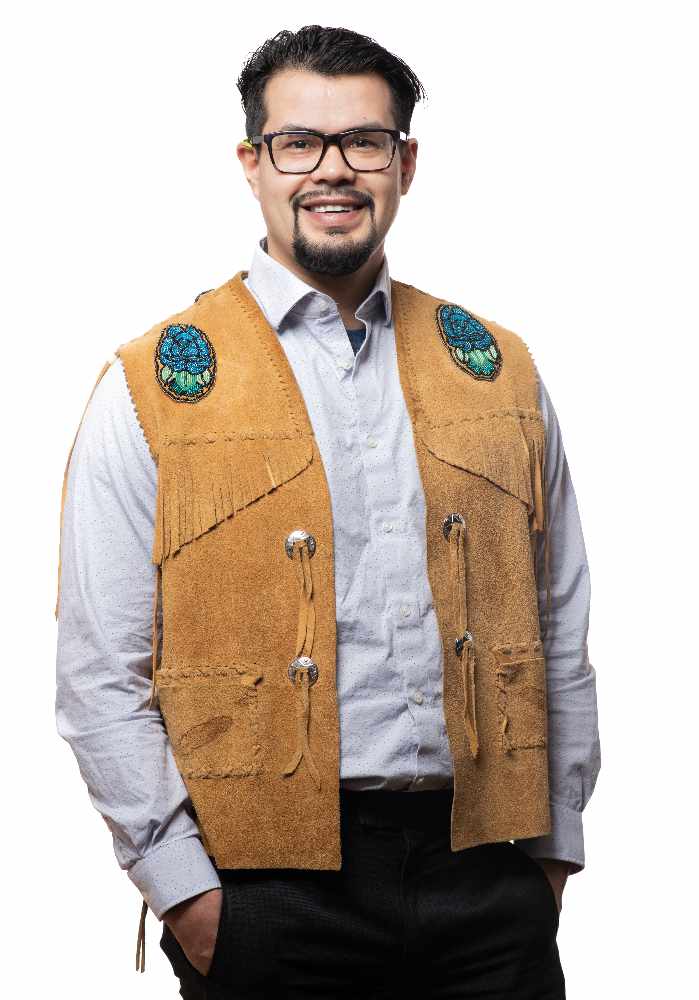 Jeremy Harper elected as Chief of Selkirk First Nation
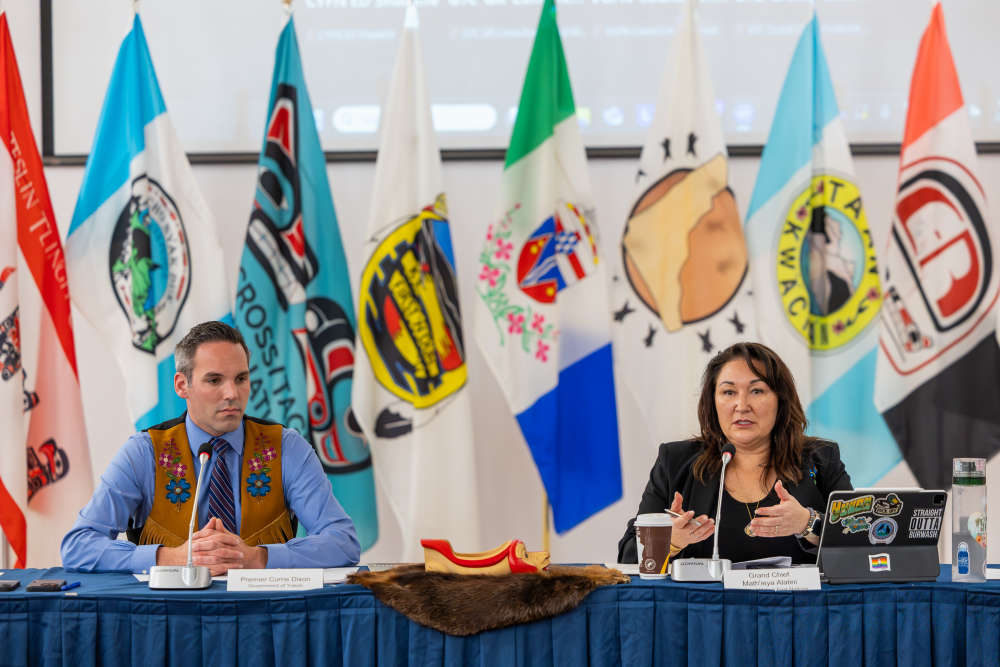 Yukon government pauses implementation of Health Authority, considering repealing Health Authority Act
 Yukon University withdraws from AWG
 $300,000 fund boosts student attendance initiatives in Yukon schools
 Whitehorse to host 2026 Broomball World Championships
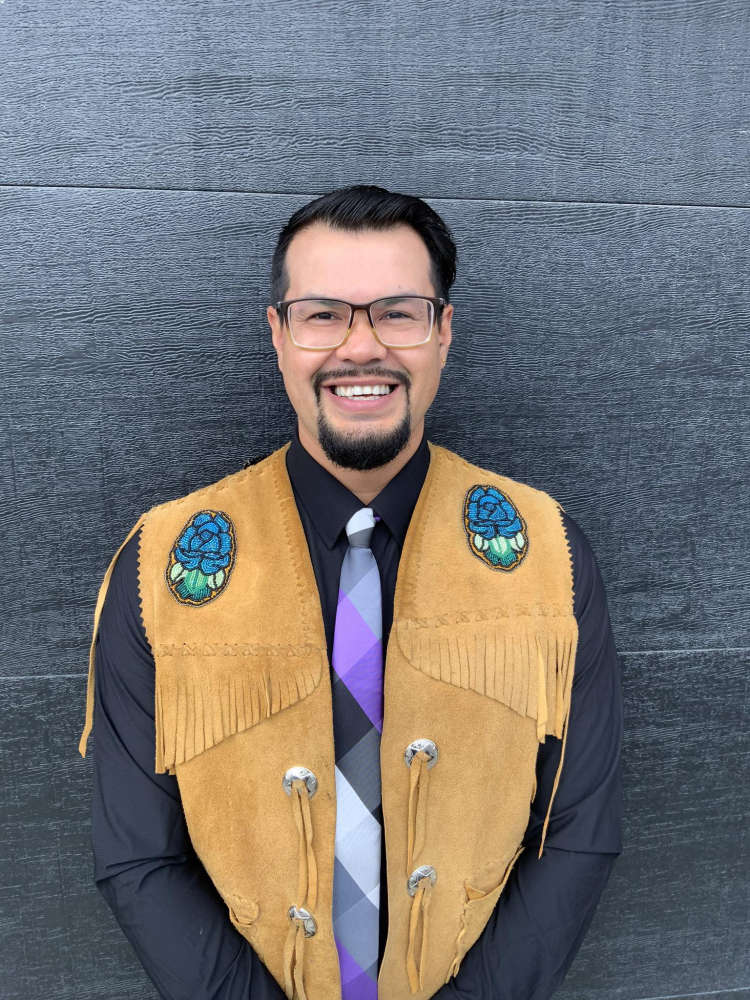 Harper to run for SFN chief
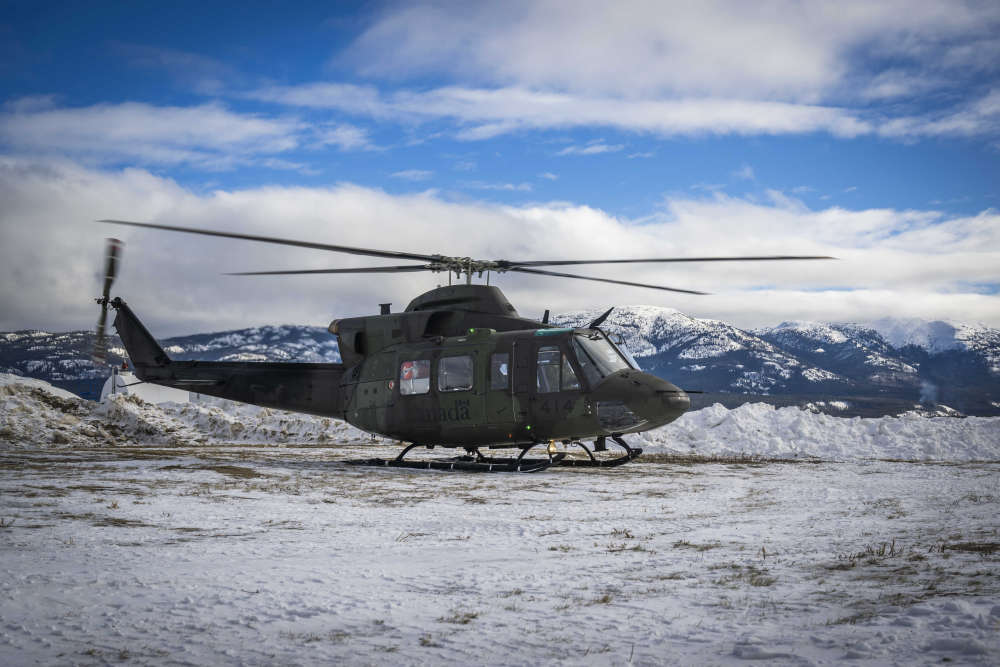 Helicopters head to Alaska for exercise
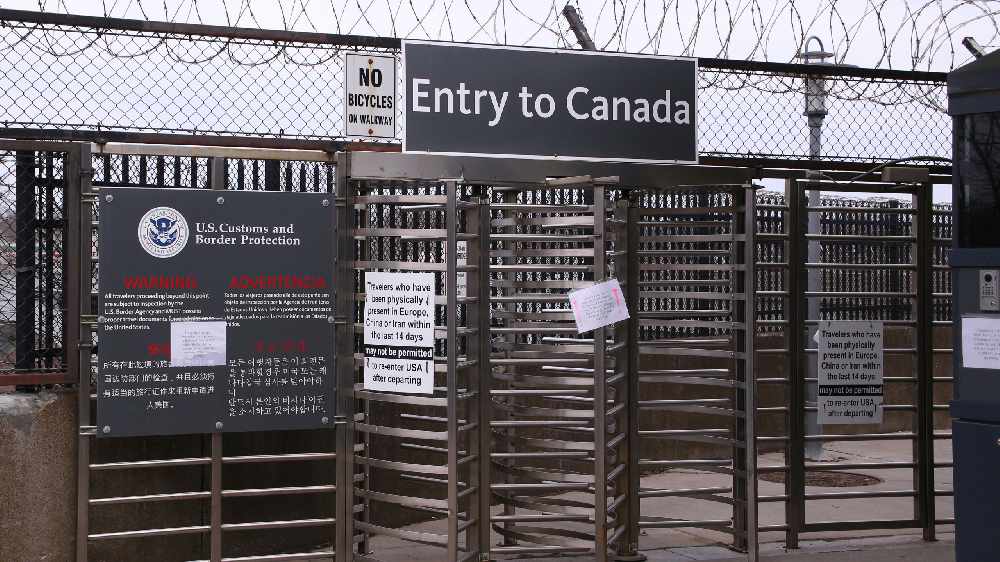 First Nations warn of increased scrutiny at US border, citing ICE actions
 Art brings hope to Whitehorse Shelter amidst challenging times
 Yukon Schools to benefit from national School food program
 Yukon Liberal Party shuffles leadership