



National Chief Robert Bertrund and the Congress of Aboriginal People have expressed their frustration regarding the poverty reduction strategy.
The Congress of Aboriginal People (CAP), one of five national Aboriginal representative orrganizations recognized by the Government of Canada and an organization to serve as a national voice for provincial and territorial affiliate organizations, is disappointed by Canada's First Poverty Reduction Strategy which doesn't include funding for off-reserve Indigenous peoples.
The government announced investments of $22 billion dollars in the plan to help lift 650,000 Canadians out of poverty by 2019, however the organization is skeptical regarding struggling Indigenous people that are disproportionately impacted by poverty in Canada. They cite no official mandate for how the government will improve the outcomes for 16.2 percent of indigenous living off-reserve who have unmet healthcare needs. These including education, healthcare and housing initiatives.
The congress highlighted that 70% of Indigenous people live off-reserve today in Canada. The Daniels Decision, a court victory clarifying that Métis and non-status First Nations fall under jurisdiction for the Canadian government, was a major win for off-reserve Indigenous youth. However, many of these off-reserve Indigenous people don't even have access to these basic living necessities, notes CAP.
The Congress of Aboriginal Peoples' National Chief Robert Bertrund highlighted what CAP has done and what the government and companies need to do to help make life for many off-reserve Indigenous people easier. He stated:
"CAP did a grass-root tour and covered pretty well the whole country and we asked our membership and what CAP should do along with the federal government to ease housing and to help the less fortunate...in almost all the provinces they called for additional funding for post-secondary students. The fastest growing segment of the Canadian population is Indigenous peoples. If the companies don't step up to help train these people, whether it be in the oil fields or in the technical fields, they're going to miss the vote."
Regarding getting more insightful statistics to better understand some of the issues many off-reserve Indigenous people face, Chief Bertrund highlighted how CAP can work with the government to get a better understanding of these issues.
"CAP officials could work with Statistics Canada... their numbers are so accurate now that they could pretty much tell many off-reserve (Indigenous) people are suffering now from poverty, financial hardship, and family violence."
Moving forward, CAP hopes the government will provide better services regarding programs such as health care, education and employment for Indigenous people who live off-reserve.
 Teslin RCMP arrest two following search warrant
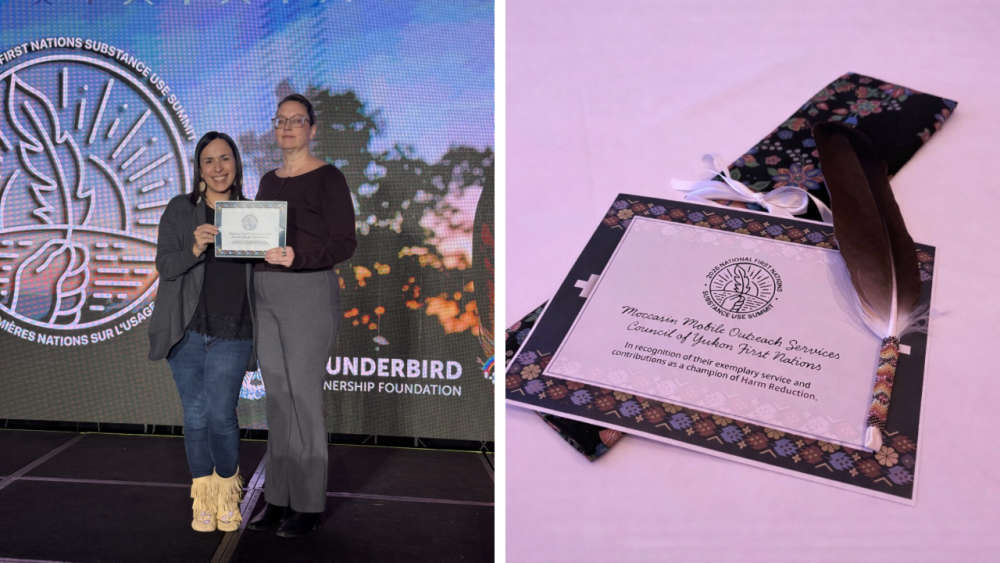 CYFN's Moccasin Mobile Outreach Program receives national recognition for harm reduction efforts
 Winter Games Wednesday with Nancy Thompson - Wednesday 25th February (Audio)
 Tr’ondëk Hwëch’in and Yukon Government partner on Dawson land planning initiative
 Yukon University strike averted as union reaches tentative agreement
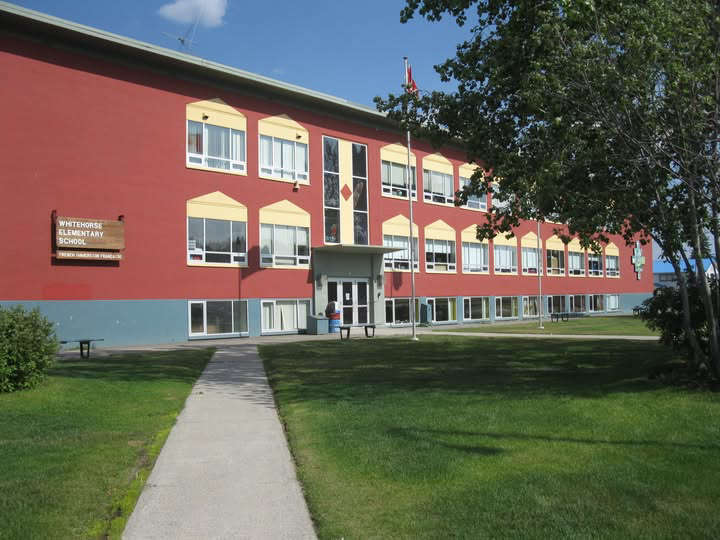 Yukon Government seeks input on new École Whitehorse Elementary School location
 Whitehorse 2026 Arctic Winter Games schedule unveiled
 Jeremy Harper elected as Chief of Selkirk First Nation
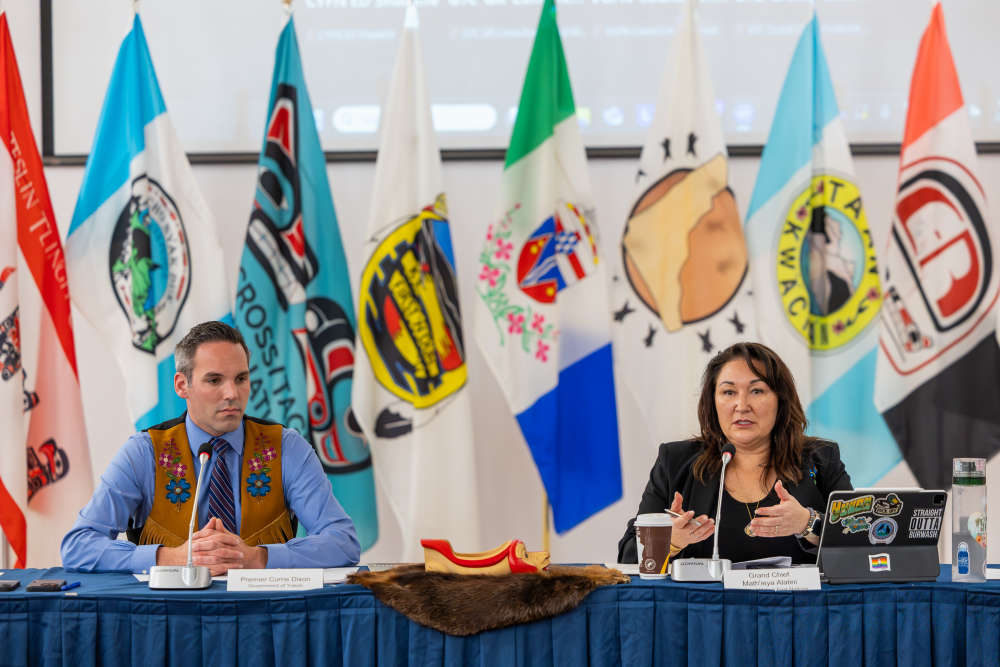 Yukon government pauses implementation of Health Authority, considering repealing Health Authority Act
 Yukon University withdraws from AWG
 $300,000 fund boosts student attendance initiatives in Yukon schools
 Whitehorse to host 2026 Broomball World Championships
 Harper to run for SFN chief
 Helicopters head to Alaska for exercise
 First Nations warn of increased scrutiny at US border, citing ICE actions
 Art brings hope to Whitehorse Shelter amidst challenging times
 Yukon Schools to benefit from national School food program
 Yukon Liberal Party shuffles leadership