



The more a person relies on social media to learn about COVID-19, the more likely they are to be exposed to misinformation and to believe it, and to disregard physical distancing and other public health guidelines.
Researchers say conspiracy theories about COVID-19 are spreading at an alarming rate across the country. And they warn that misinformation being shared online could lead to devastating consequences and push Canadians to shun important safety measures.
Aengus Bridgman, a PhD candidate in political science at Montreal's McGill University, says "people should be enormously concerned." Bridgman co-authored a study published last month on COVID-19 misinformation and its impact on public health.
It found the more a person relies on social media to learn about COVID-19, the more likely they are to be exposed to misinformation and to believe it, and to disregard physical distancing and other public health guidelines.
Bridgman notes that about 16 per cent of Canadians use social media as their primary source of information on the virus.
Another study published in May at Ottawa's Carleton University indicated 46 per cent of Canadians believed at least one of four unfounded COVID-19 theories: the virus was engineered in a Chinese lab; the virus is being spread to cover up the effects of 5G wireless technology; drugs such as hydroxychloroquine can cure COVID-19 patients; or rinsing your nose with a saline solution can protect you from infection.
 Teslin RCMP arrest two following search warrant
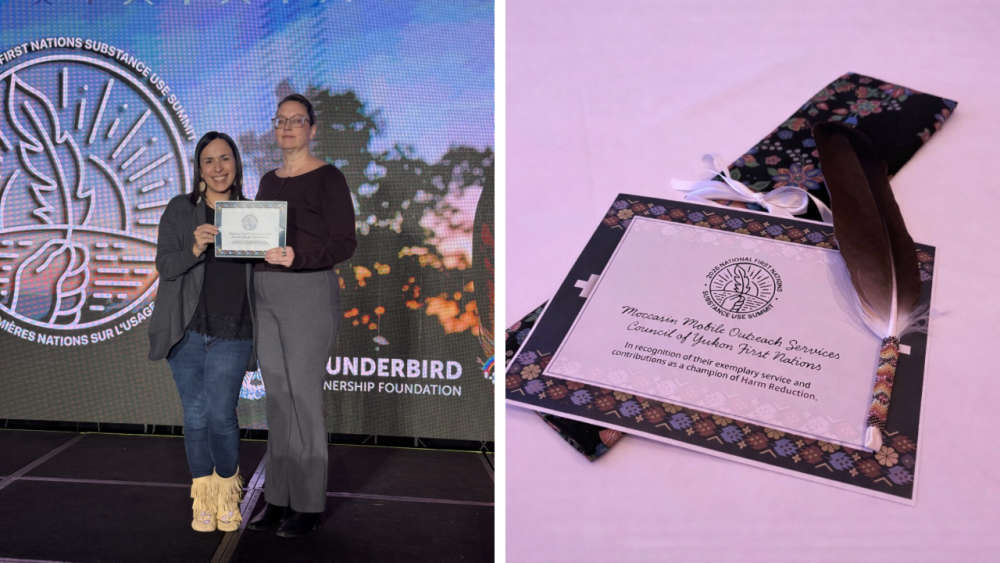 CYFN's Moccasin Mobile Outreach Program receives national recognition for harm reduction efforts
 Winter Games Wednesday with Nancy Thompson - Wednesday 25th February (Audio)
 Tr’ondëk Hwëch’in and Yukon Government partner on Dawson land planning initiative
 Yukon University strike averted as union reaches tentative agreement
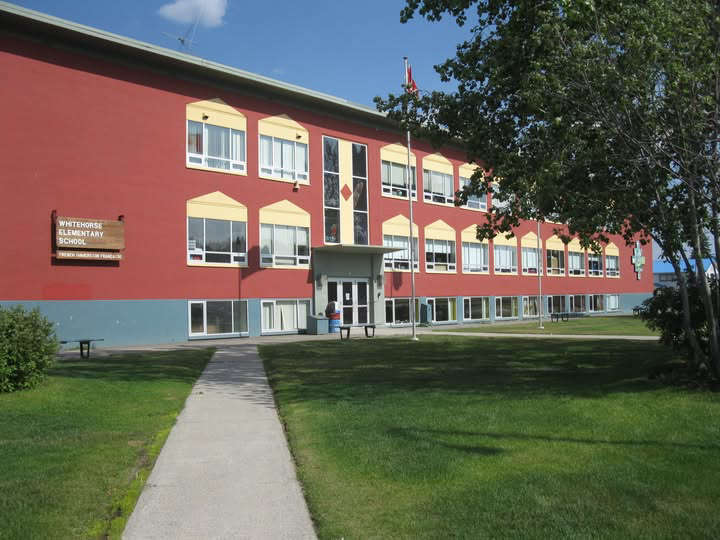 Yukon Government seeks input on new École Whitehorse Elementary School location
 Whitehorse 2026 Arctic Winter Games schedule unveiled
 Jeremy Harper elected as Chief of Selkirk First Nation
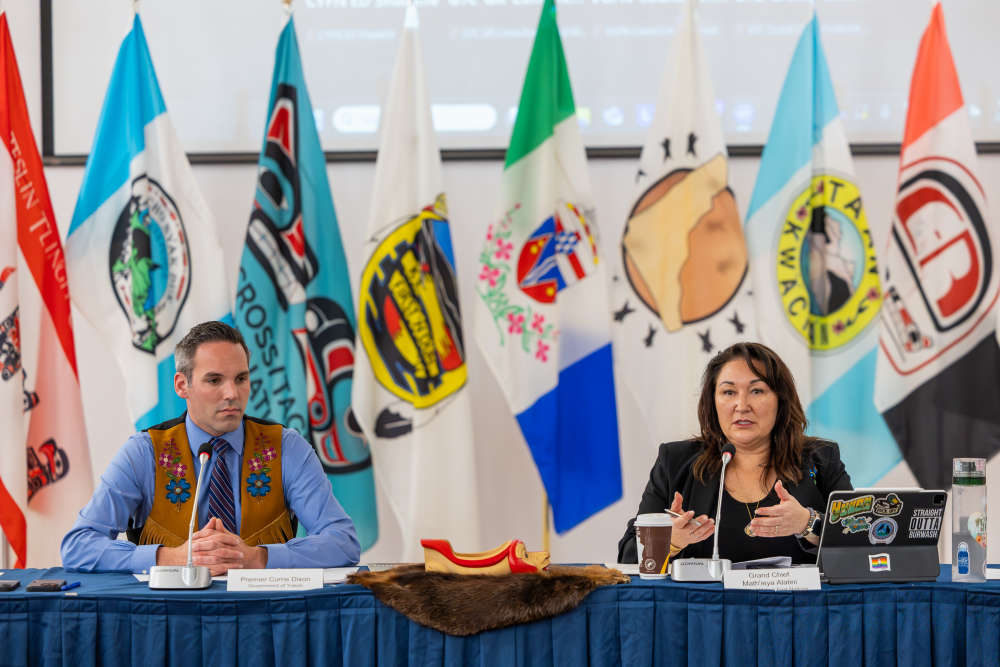 Yukon government pauses implementation of Health Authority, considering repealing Health Authority Act
 Yukon University withdraws from AWG
 $300,000 fund boosts student attendance initiatives in Yukon schools
 Whitehorse to host 2026 Broomball World Championships
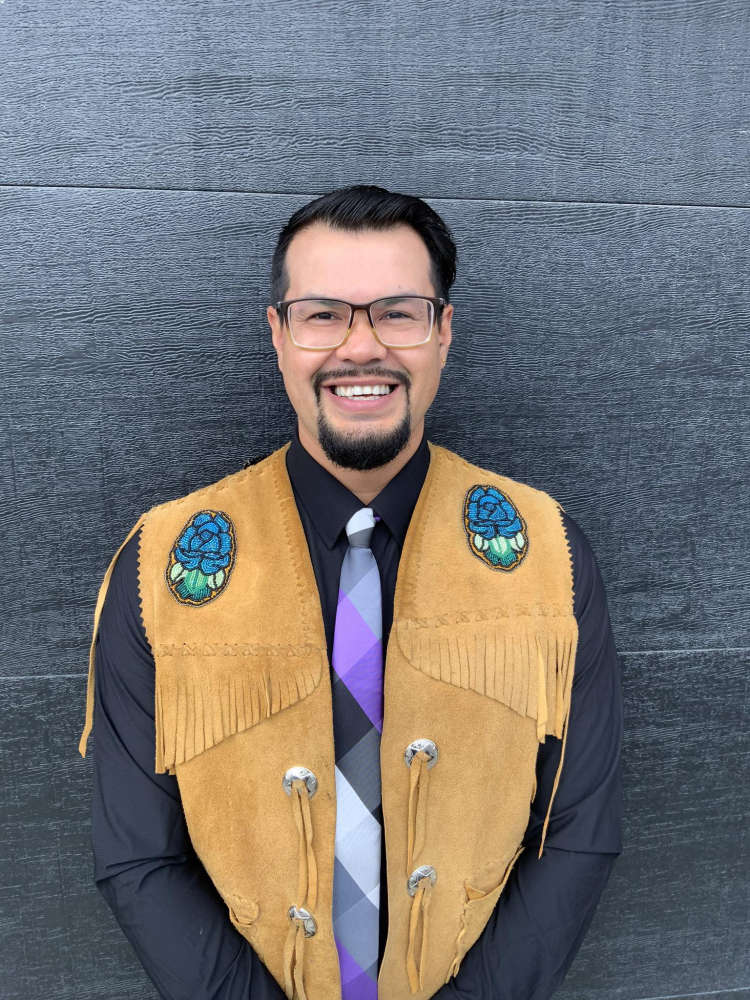 Harper to run for SFN chief
 Helicopters head to Alaska for exercise
 First Nations warn of increased scrutiny at US border, citing ICE actions
 Art brings hope to Whitehorse Shelter amidst challenging times
 Yukon Schools to benefit from national School food program
 Yukon Liberal Party shuffles leadership