


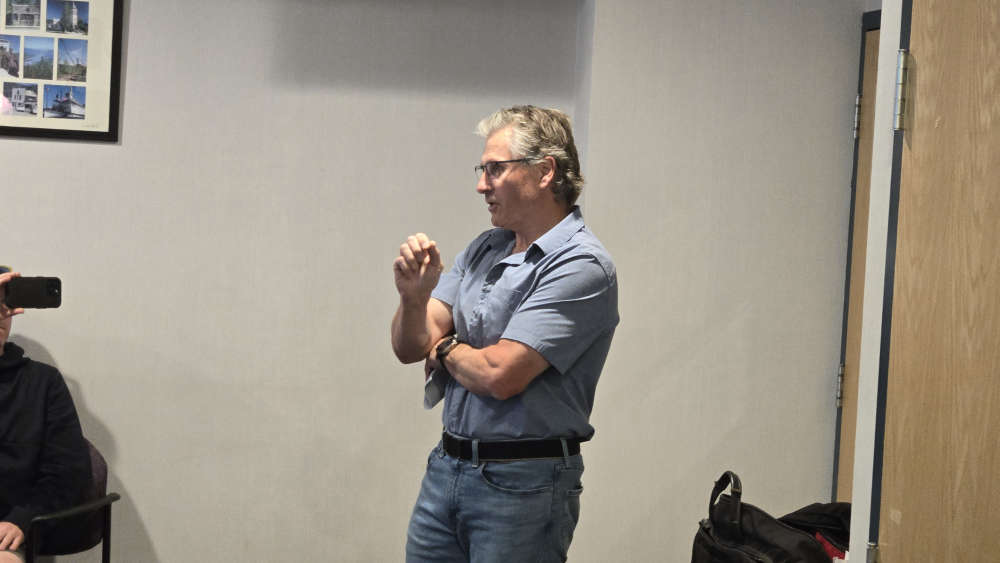
First Nation of Na-Cho Nyäk Dun consultant speaks out about government inaction.
The Government of Yukon held a technical briefing on the heap-leach failure at Victoria Gold’s Eagle Gold mine on Friday.
Four officials from the Yukon government’s department of Energy, Mines, and Resources were joined by representatives from the Worker’s Safety and Compensation Board, the Yukon’s acting Chief Medical Officer of Health, and representatives from Health and Social Services and the Department of Environment.
Media were told that when it came to specifics about the heap-leach failure, the information was not yet available.
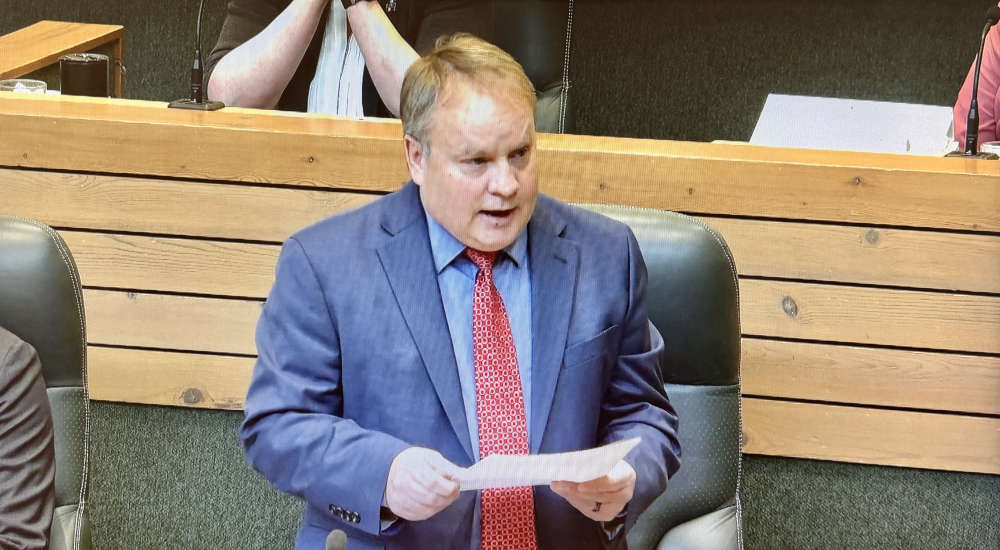
Just before the technical briefing ended, Northland Earth & Water consultant Cord Hamilton spoke up. Hamilton says he has been consulting for the First Nation of Na-Cho Nyäk Dun for ten years, and that he and the First Nation are deeply concerned about the potential release of cyanide into the environment.
“We estimate, with the best information we have available, there is somewhere between 800,000 and a million cubic metres of cyanide solution contained in the heap that is now draining down in an uncontrolled manner,” said Hamilton. “There is storage on that site for less than half of that in secure facilities. So, that’s what’s coming. That needs to be captured or treated, or it will be released. And this is before we account for rainfall, flows from the other side of the valley, and Dublin Gulch, which is now crossed by the slide maps, itself.”
Despite the Yukon government’s panel of officials insisting that they have been working closely with the First Nation of Na-Cho Nyäk Dun, Hamilton says that there is plenty more that can and must be done.
“What do the First Nations feel? They are dismayed. They are angry. And they should be,” said Hamilton. “This is a catastrophe that is unfolding before us, so we really want to see a higher level of response.”
“We know more is coming at us. Makeshift dams are not the answer. Really significant action is required.”
Hamilton acknowledged that it may take time to find cyanide in water samples from the area, but looking for dead fish in the area would be a much faster indicator of a problem. There was no word from officials whether they were looking for fish affected by cyanide.
In a media release Thursday afternoon, White River First Nation voiced full support of the First Nation of Na-Cho Nyäk Dun and called for a public inquiry into the heap-leach failure. No such inquiry was confirmed at the technical briefing.
While the Yukon government says the risk of cyanide in drinking water is very low, residents in the area should be aware that dizziness, headache, nausea and vomiting are common in cyanide exposure.
 Independent review panel publishes first status report in Department of Education review
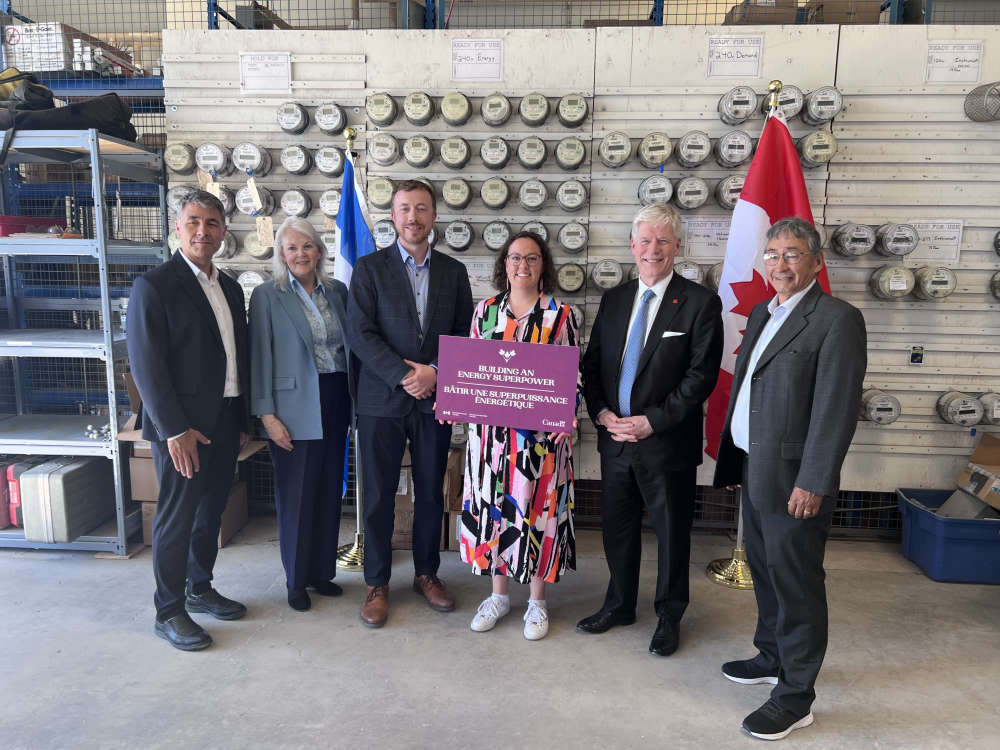 ATCO Electric Yukon Gets $7.5M to Fix Billing Issues with Smart Meters
 Yukon NDP calls on Yukon government to investigate electricity billing concerns
 Youth investment fund supports 13 community projects across Yukon
 FNNND challenges Mayo Dam spillway project over treaty and fish passage concerns
 First Nation of Na-Cho Nyäk Dun youth benefit as mining firms fund mayo school sports
 BC man convicted of manslaughter
 Hamilton Boulevard trail cleared as winter pilot project wraps up
 Yukon RCMP roll out new navy-blue uniform shirts
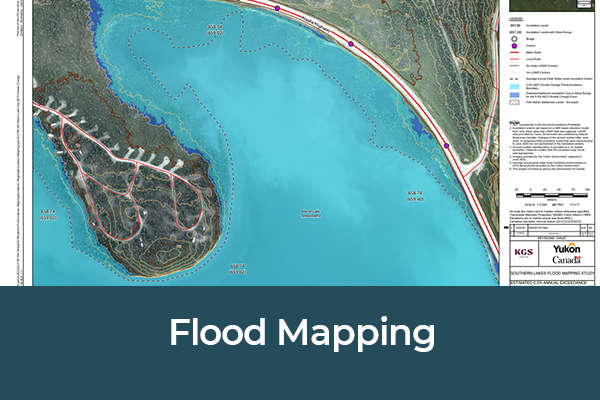 Yukon releases final flood maps for Dawson, Klondike Valley, Upper Liard
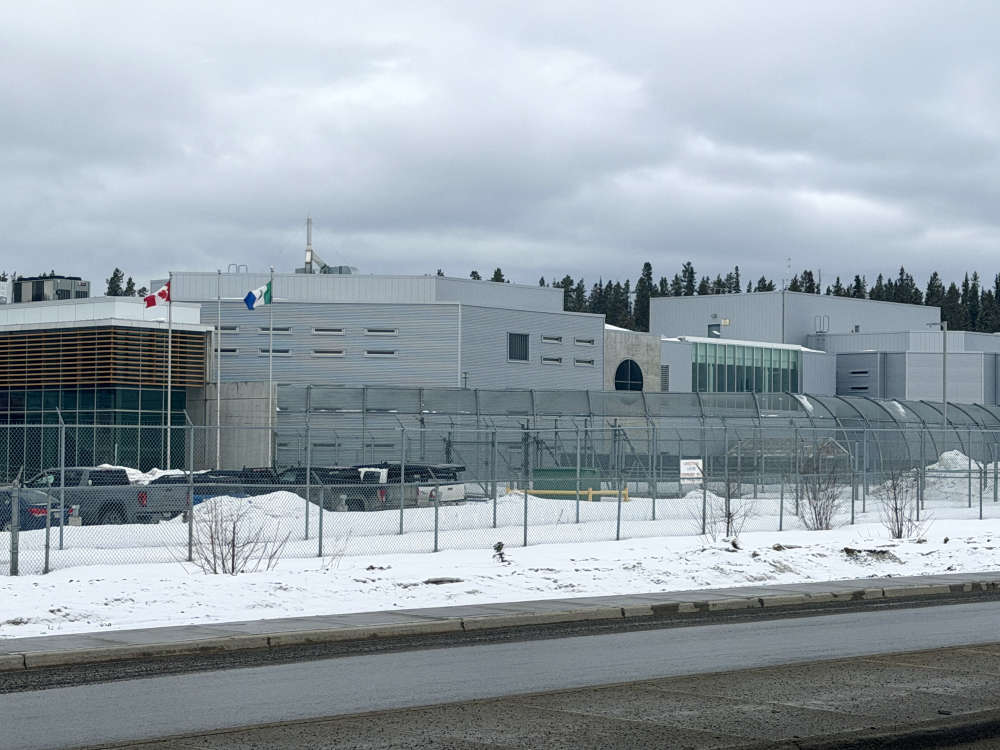 Inquest into the death of Manui Roux to be held in Whitehorse
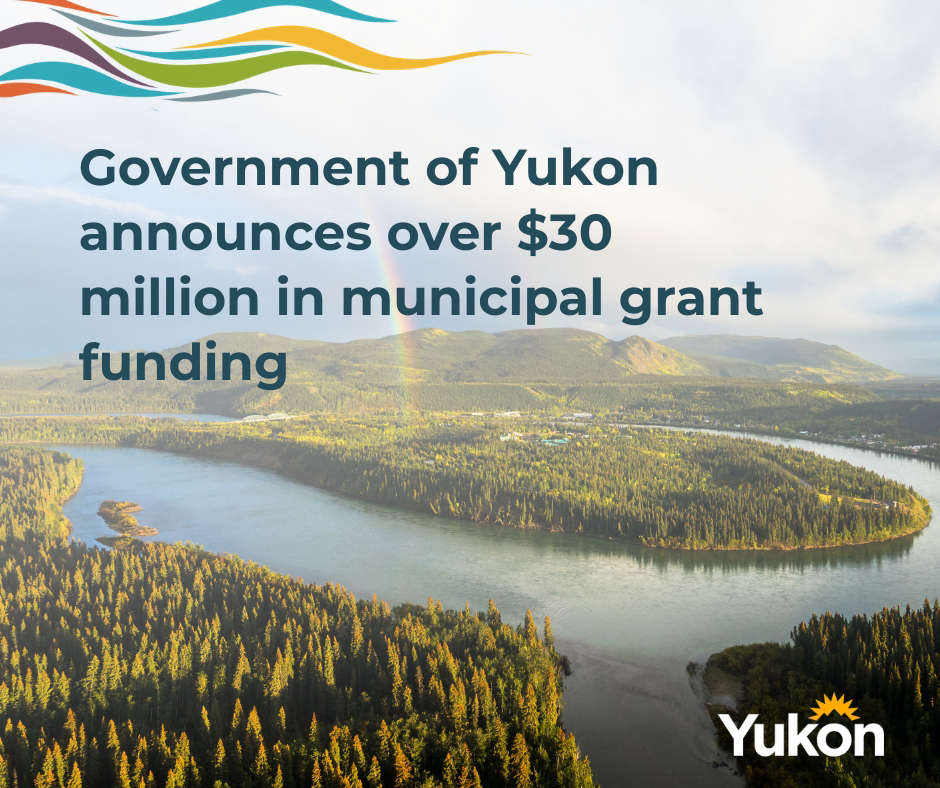 Yukon municipalities to receive record $30 million in funding
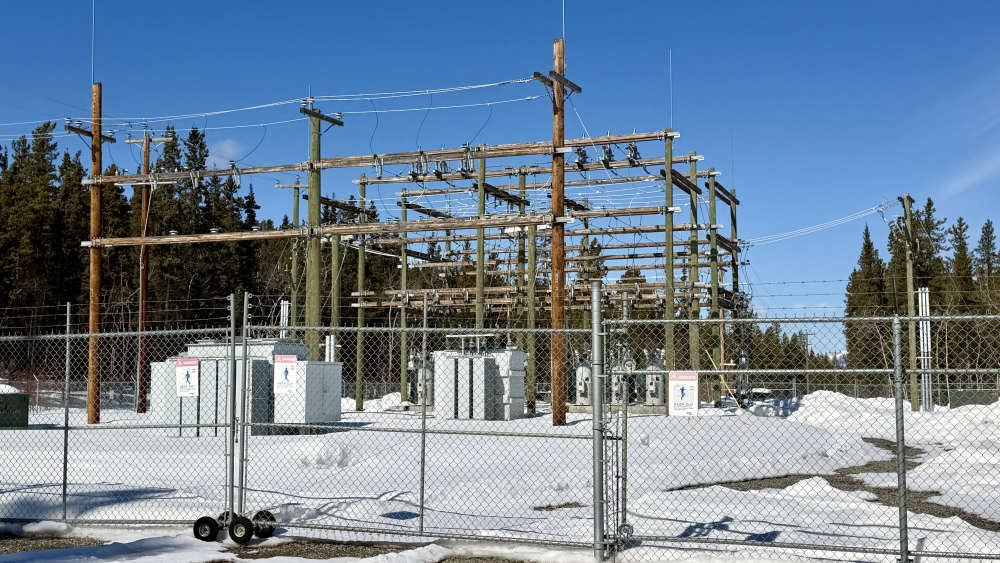 Yukon expands winter electricity relief for residents
 Ross River Dena Council says 'no' to proposed mining on its traditional territory
 LSCFN stands firm: 'No mining in the Breadbasket'
 Yukon Government accepts responsibility for abuse at Jack Hulland Elementary
 Whistle Bend road connector project gets $8.7M boost from federal government
 Yukon Government signs deal with Alliance Health for primary care clinic
 Man Missing in Whitehorse: Reuben van Klaveren Sought by RCMP