


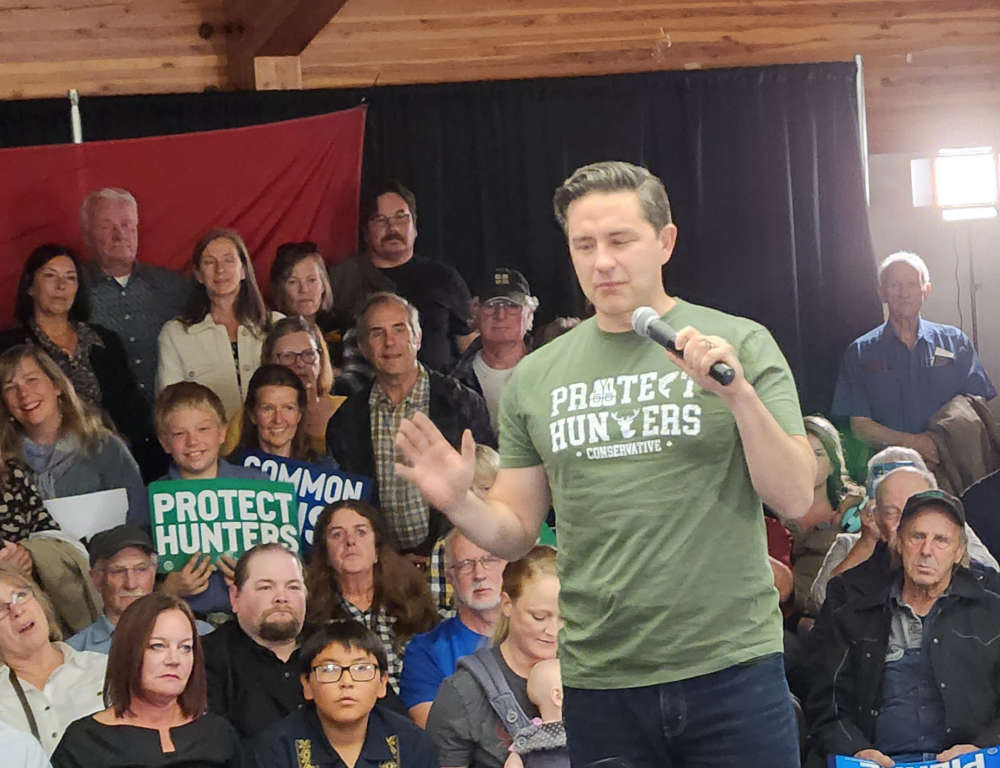
Poilievre's campaign promise is to close and block supervised consumption sites from being built within 500 metres of schools and playgrounds, along with cutting all federal funding for alternative drug programs.
With two weeks until the federal election, comments made by Federal Conservative Party Leader Pierre Poilievre about supervised consumption sites have been addressed in the Yukon Legislative Assembly.
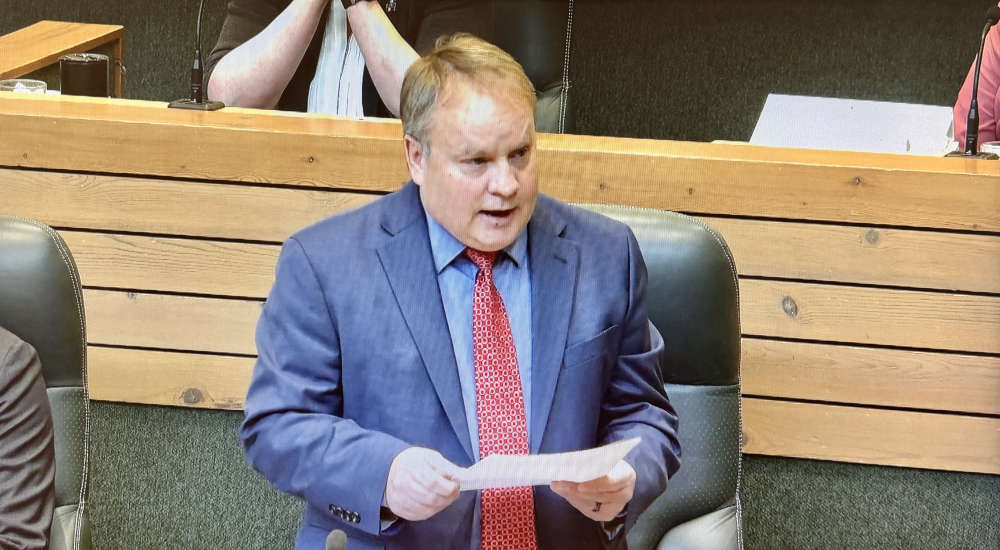
On Monday, MLA for Vuntut Gwitchin Annie Blake rose during question period to raise concerns about Poilievre’s campaign promise to close and block supervised consumption sites from being built within 500 metres of schools and playgrounds. Poilievre has also committed to remove all federal funding for prescribed alternative drug programs.
In her initial question to Health and Social Services Minister Tracy-Anne McPhee, Blake said that the Yukon’s only supervised consumption site, Blood Ties Four Directions Centre, has successfully responded to 133 overdoses and provided support to 544 Yukoners without seeing a single death on site since it opened in September 2021.
Blake said that Poilievre’s plans would be a huge blow to the territory.
“Closing the site would result in deaths,” said Blake on Monday. “The Yukon has already seen far too much lost to the overdose crisis, and losing this site would be devastating. What is this government doing to ensure that the Yukon does not lose its only supervised consumption site?”
In response, Minister McPhee did voice the Government of Yukon’s support for Blood Ties, but stopped short of sharing specific plans to advocate for the site to remain open.
“This government supports the supervised consumption site,” said McPhee. “It opened a supervised consumption site. It funds a supervised consumption site. We believe it to be an integral part of the harm reduction approach that we have taken, a part of the Substance Use Health Emergency Strategy, and at no time do we have interest or intention – unlike the Conservative Party of Canada – of closing such a service, such a program, and such [an] opportunity to support Yukoners.”
The Yukon Coroner’s Office confirmed to CHON-FM that since April 2016, 136 Yukoners have died due to toxic substances. 117 of those deaths involved opioids, and 105 involved fentanyl.
Since January, the Coroner’s Office confirmed five deaths; all of which involved opioids and four of which involved fentanyl.
 Independent review panel publishes first status report in Department of Education review
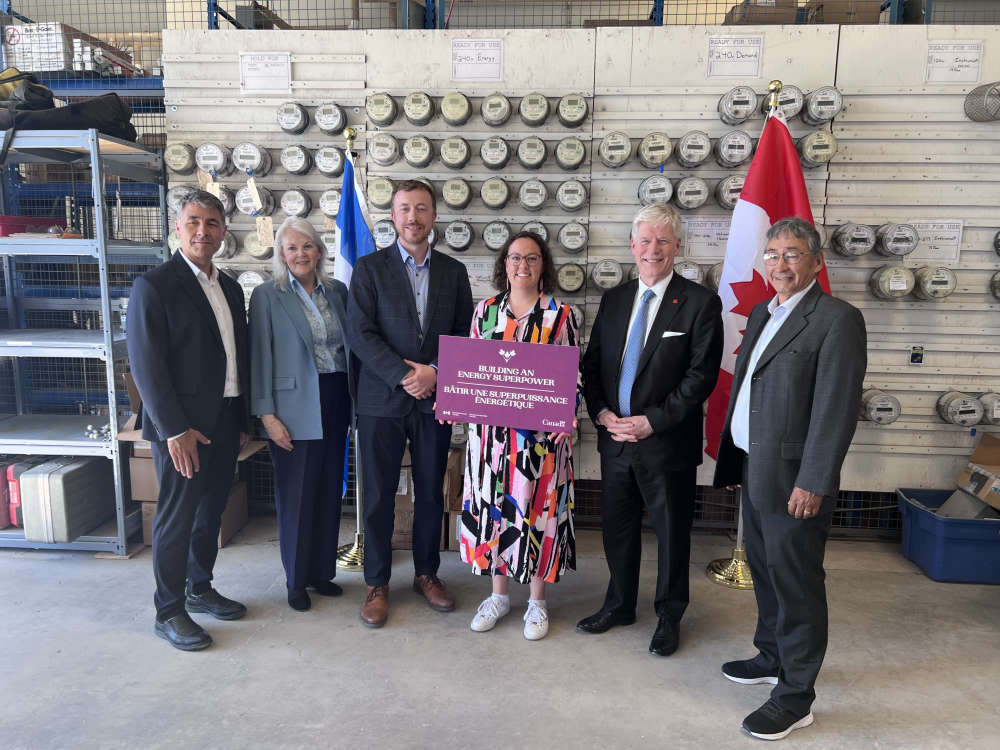 ATCO Electric Yukon Gets $7.5M to Fix Billing Issues with Smart Meters
 Yukon NDP calls on Yukon government to investigate electricity billing concerns
 Youth investment fund supports 13 community projects across Yukon
 FNNND challenges Mayo Dam spillway project over treaty and fish passage concerns
 First Nation of Na-Cho Nyäk Dun youth benefit as mining firms fund mayo school sports
 BC man convicted of manslaughter
 Hamilton Boulevard trail cleared as winter pilot project wraps up
 Yukon RCMP roll out new navy-blue uniform shirts
 Yukon releases final flood maps for Dawson, Klondike Valley, Upper Liard
 Inquest into the death of Manui Roux to be held in Whitehorse
 Yukon municipalities to receive record $30 million in funding
 Yukon expands winter electricity relief for residents
 Ross River Dena Council says 'no' to proposed mining on its traditional territory
 LSCFN stands firm: 'No mining in the Breadbasket'
 Yukon Government accepts responsibility for abuse at Jack Hulland Elementary
 Whistle Bend road connector project gets $8.7M boost from federal government
 Yukon Government signs deal with Alliance Health for primary care clinic
 Man Missing in Whitehorse: Reuben van Klaveren Sought by RCMP