



The project is a collaboration between the Canadian Space Agency and the department of Fisheries and Oceans (DFO).
Three Canadian satellites launched in June are in the process of being set up to monitor Canadian oceans for purposes of iceberg tracking, illegal fishing monitoring, and monitoring of climate change on our coastlines.
The project is a collaboration between the Canadian Space Agency and the Department of Fisheries and Oceans (DFO).
A statement from the DFO says the project will allow tracking of boats in almost-real-time and allow for more efficient monitoring.
"The high-quality data received from these satellites will allow our fishery officers to detect and track illegal, unreported and unregulated (IUU) fishing vessels with greater accuracy — it help to put an end to reckless and illegal fishing in our oceans that costs the global economy billions of dollars every year. These satellites will also improve our availability to monitor vessel activity in Canada's marine protected areas - helping to conserve and protect marine species and their habitats."
With climate change becoming an increasingly pressing issue, the project aims to reduce ships that may be polluting, dumping illegally, or otherwise be harming the ocean.
Steve Iris, senior programs officer at the Canadian Space Agency, says the project is almost completely Canadian based.
"Canada is one of the world leaders in radar technology. This is technology that is very high-tech and very complex to manage, so we have real expertise here (considering) we're a world leader. Most of the pieces, equipment and testing has been done and produced here in Canada... that's another major achievement."
The project cost about 1.2 billion dollars, but Iris says it will more than pay off
"Even if it's not direct services... there are a lot of benefits that this will provide to Canadians using the data (collected from the satellites). In the end, even if the investment might seem a bit high in terms of cost, the benefits that it will provide are larger than the cost."
The project is expected to be completed sometime in October.
 CYFN's Moccasin Mobile Outreach Program receives national recognition for harm reduction efforts
 Winter Games Wednesday with Nancy Thompson - Wednesday 25th February (Audio)
 Tr’ondëk Hwëch’in and Yukon Government partner on Dawson land planning initiative
 Yukon University strike averted as union reaches tentative agreement
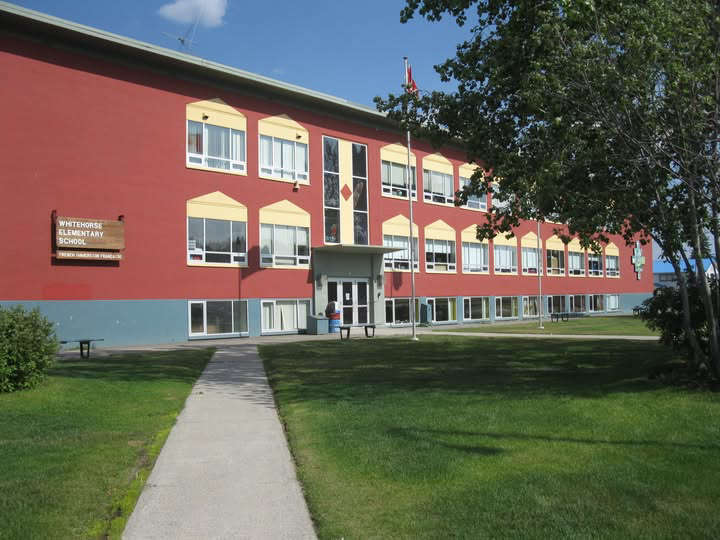 Yukon Government seeks input on new École Whitehorse Elementary School location
 Whitehorse 2026 Arctic Winter Games schedule unveiled
 Jeremy Harper elected as Chief of Selkirk First Nation
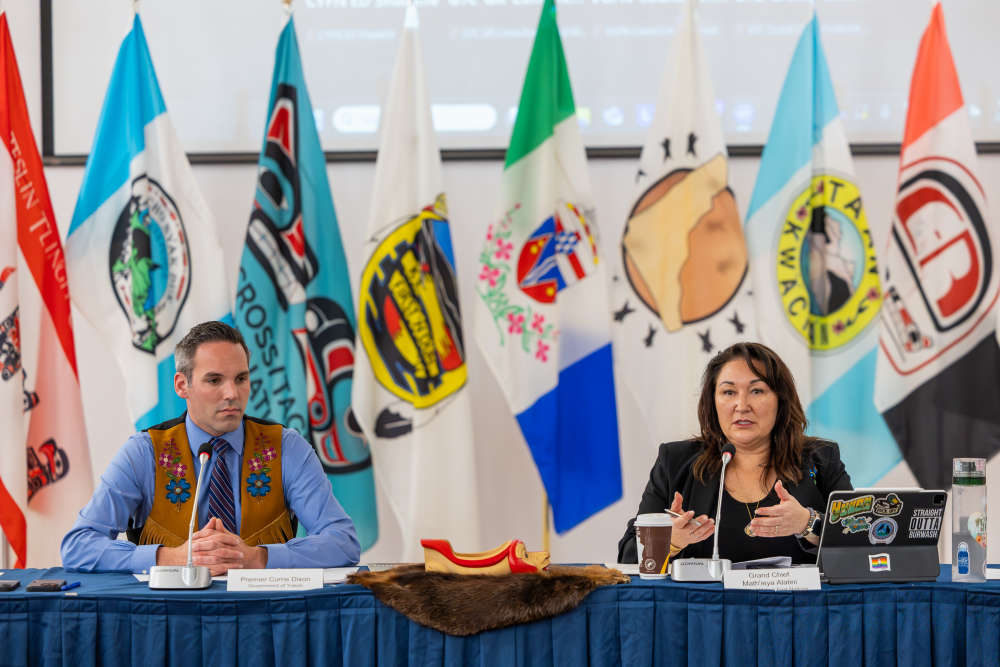 Yukon government pauses implementation of Health Authority, considering repealing Health Authority Act
 Yukon University withdraws from AWG
 $300,000 fund boosts student attendance initiatives in Yukon schools
 Whitehorse to host 2026 Broomball World Championships
 Harper to run for SFN chief
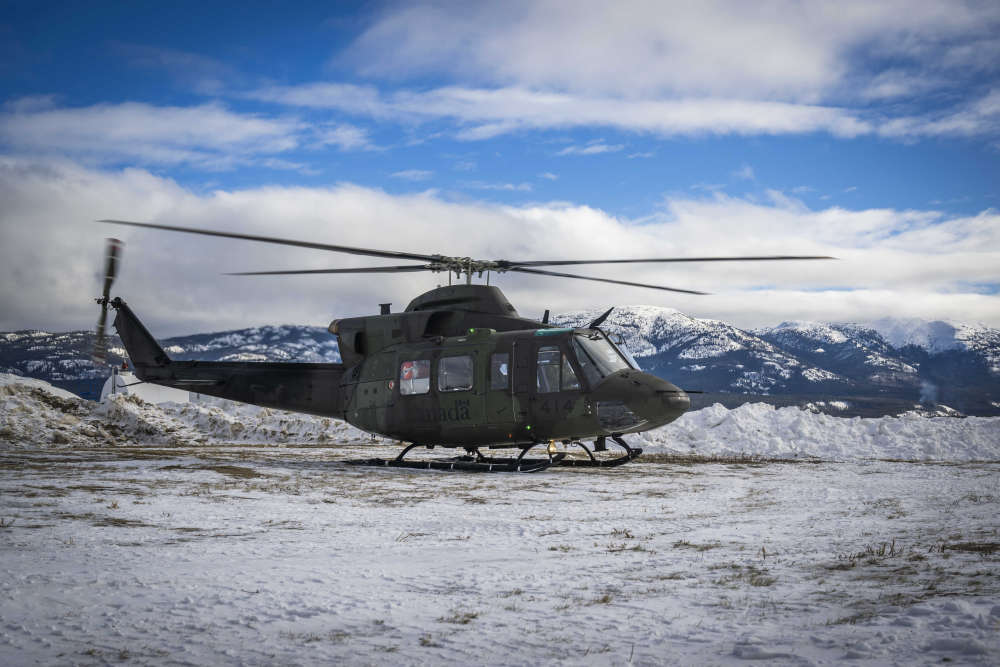 Helicopters head to Alaska for exercise
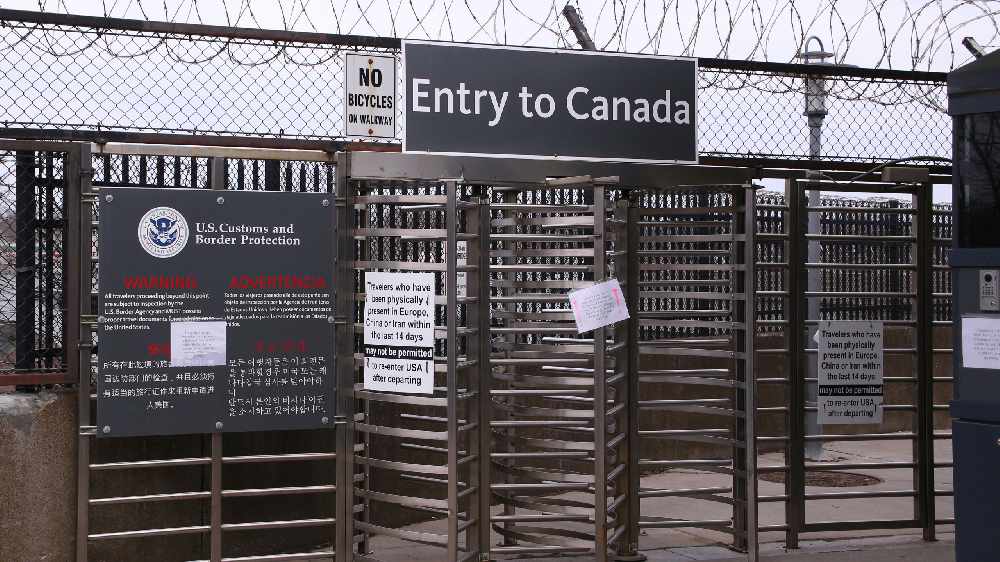 First Nations warn of increased scrutiny at US border, citing ICE actions
 Art brings hope to Whitehorse Shelter amidst challenging times
 Yukon Schools to benefit from national School food program
 Yukon Liberal Party shuffles leadership
 US healthcare workers courted to fill Canada gaps, Yukon next