



Arctic permafrost melting 70 years earlier than expected.
Permafrost is frozen soil that never melts, even in summer months. Recent studies, however, are showing that permafrost is not as permanent as scientists had thought.
A new study, published on June 10th and led by a team from the university of Fairbanks Alaska, shows Arctic permafrost melting 70 years earlier than expected. The team studied 700 km of Canadian High Arctic and found evidence of permafrost melt almost everywhere.
The team noted in their paper that "change was greatest at Mould Bay where thawing index values were 240 % above historic normals." Evidence shows that effects of permafrost melting could be monumental.
One of the main concerns of permafrost melt is the release of heat trapping gasses. Permafrost has been known to trap carbon dioxide and methane gasses. If melted, the permafrost would release those gasses. While carbon dioxide is known to be a heat-trapping gas, the real concern lies with the methane. Methane is 20-25 times more warming than carbon dioxide.
It is believed that the release of these gasses will accelerate climate change, which will cause more permafrost to melt, and more gasses to be released. It has been referred to as a feedback loop. In New York's magazine, David Wallace-Wells wrote "Arctic permafrost contains 1.8 trillion tons of carbon, more than twice as much as is currently suspended in the Earth's atmosphere,"
Flooding is another concern of permafrost thaw. If Arctic permafrost melts, it could pose a serious threat to sea-levels, and it would affect ocean salinity levels, which would, in turn, effect sea-life and ocean currents.
Reanimation of diseases that are trapped in frozen organic matter is one threat that has only recently been discovered. Wallace-wells wrote "There are now, trapped in Arctic ice, diseases that have not circulated in the air for millions of years — in some cases, since before humans were around to encounter them. Which means our immune systems would have no idea how to fight back when those prehistoric plagues emerge from the ice."
Recently in Alaska, scientists found remnants of a flu from 1918 which infected 500 million and killed 100 million. It is suspected that diseases such as smallpox and the bubonic plague may be trapped in Siberian ice. Scientists believe if that ice melts it could cause a massive epidemic.
Ultimately there is still much unknown about the effects of melting permafrost. Many scientists are growing more concerned with what that means for the future of our planet. From threats of ancient plagues to the release of heat-trapping gasses, the consequences of the melting permafrost will have to be considered, one way or another
 Whitehorse 2026 Arctic Winter Games schedule unveiled
 Jeremy Harper elected as Chief of Selkirk First Nation
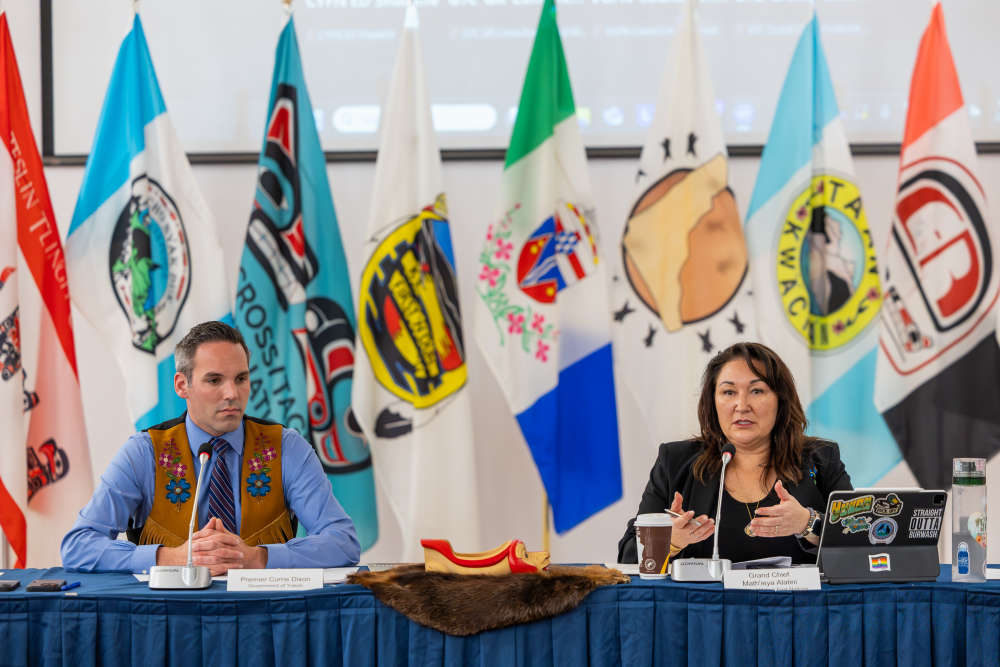 Yukon government pauses implementation of Health Authority, considering repealing Health Authority Act
 Yukon University withdraws from AWG
 $300,000 fund boosts student attendance initiatives in Yukon schools
 Whitehorse to host 2026 Broomball World Championships
 Harper to run for SFN chief
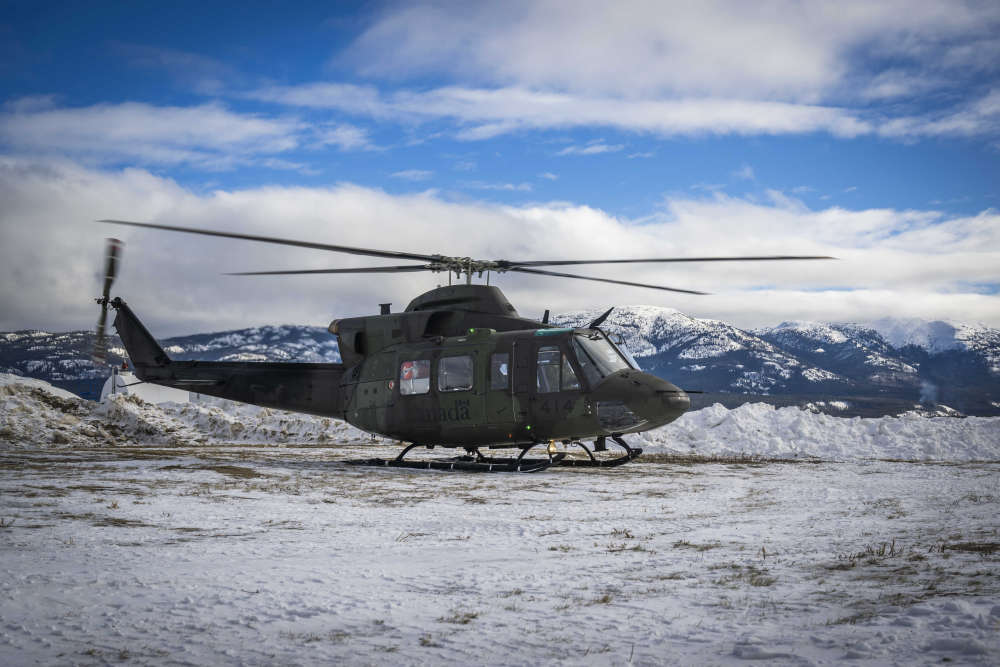 Helicopters head to Alaska for exercise
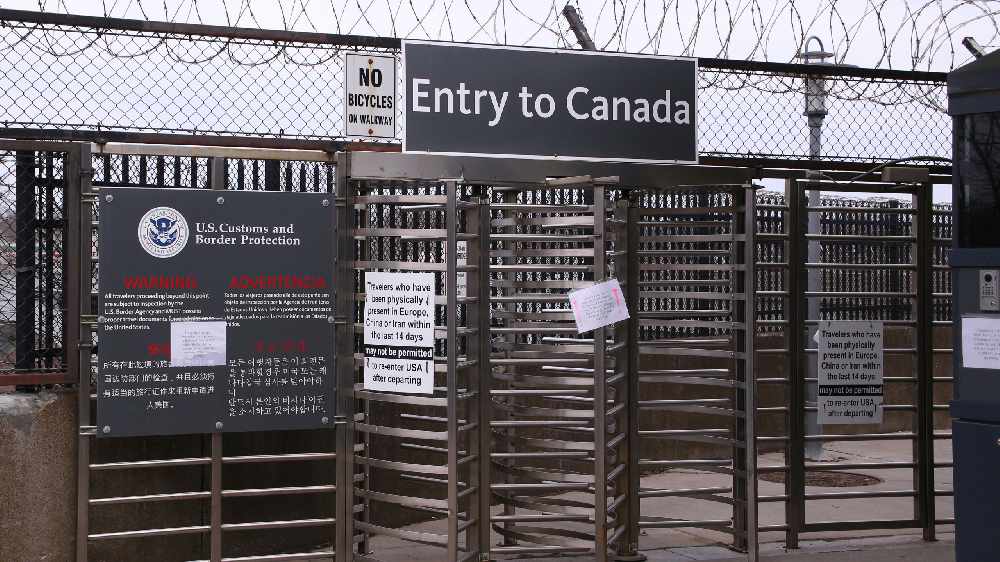 First Nations warn of increased scrutiny at US border, citing ICE actions
 Art brings hope to Whitehorse Shelter amidst challenging times
 Yukon Schools to benefit from national School food program
 Yukon Liberal Party shuffles leadership
 US healthcare workers courted to fill Canada gaps, Yukon next
 Whitehorse artist makes Yukon radio debut with Christmas single
 🎄✨ Chon-FM Christmas Dinner – Yesterday! ✨🎄
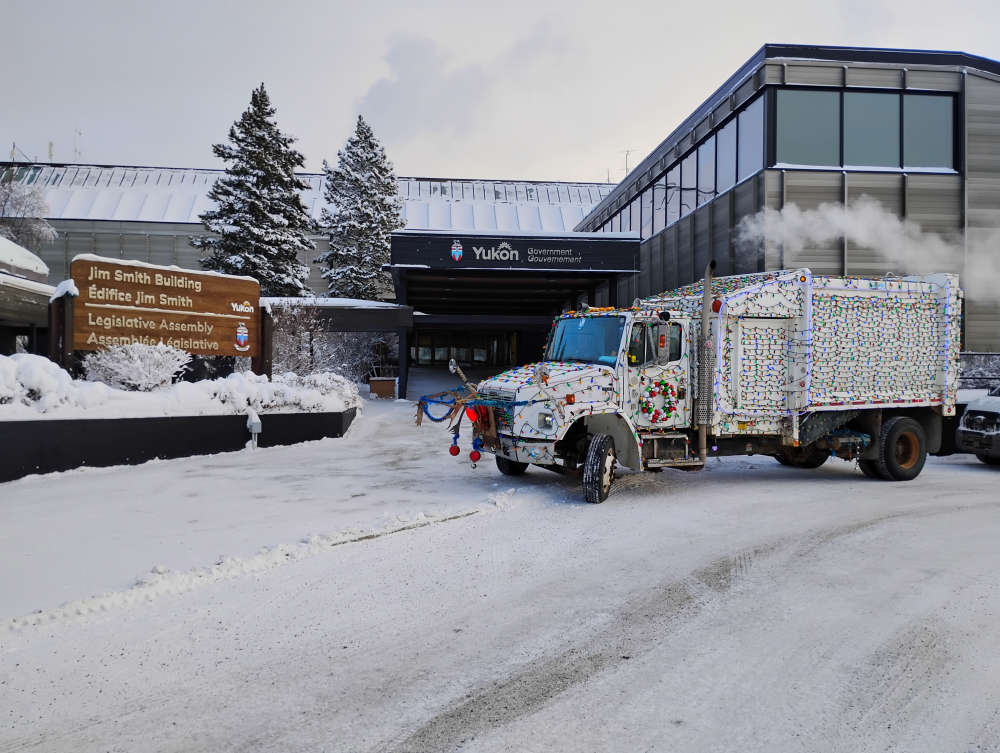 Yukon MLAs celebrate Garbage Truck Santa with tribute
 NVD‑Host Society partnership powers 2026 Arctic Winter Games countdown and community giveaway
 Senate Committee on Human Rights report calls for changes to government care for youth
 Yukon Department of Education corrects bus cancellation rumor amid record‑cold snap