


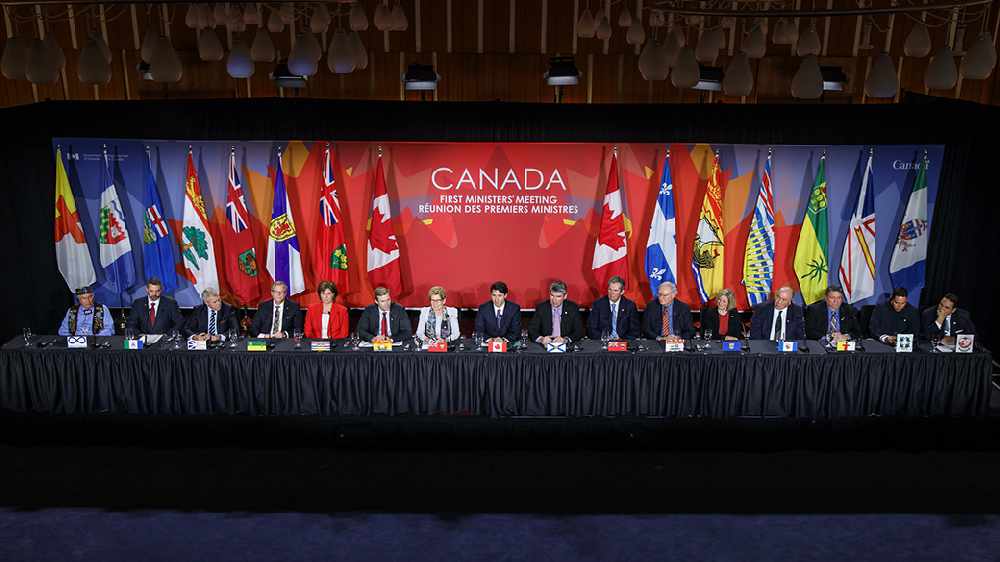
Governments in Canada have taken wide-ranging steps within their own constitutional jurisdictions to slow and contain the spread of COVID-19.
As the first wave of the virus' activity passes, all governments want to safely restore economic activity, while protecting the health of Canadians.
Until there is a vaccine or effective treatment for COVID-19, strong measures must be in place for this new normal phase of living with COVID-19 to contain future waves or outbreaks and protect Canadians and economies across the country.
While there will be regional differences during this process, all governments intend to continue their present collaboration in the interest of all Canadians. Governments will make decisions suited to their jurisdictions, geography, and disease activity. These decisions will be informed by experiences in other countries in Asia, Europe, and around the world - particularly those who had outbreaks earlier than Canada and who have achieved demonstrable successes.
A shared key objective is to minimize the risk of another wave of COVID-19 that forces governments to re-impose severe restrictions, further damaging the social and economic fabric of communities.
Using public health as a foundation, these principles, criteria, and measures will help guide governments to ease restrictions as they work to restore economic activity and address future outbreaks. As governments develop plans to gradually lift restrictions, they will focus on:
- protecting the health of Canadians
- easing restrictions gradually
- protecting high-risk groups (e.g., those vulnerable due to age, underlying health conditions, remote location, close living spaces, and temporary or unstable living spaces)
- ensuring our public health capacity remains strong to prepare for, and respond to, any future waves of the pandemic, including through enhanced testing and contact tracing; and, o supporting a broad range of economic sectors.
First Ministers will continue to meet regularly to discuss measures taken to restart the Canadian economy in a gradual way that support a new normal of living with COVID-19, while protecting the health of Canadians.
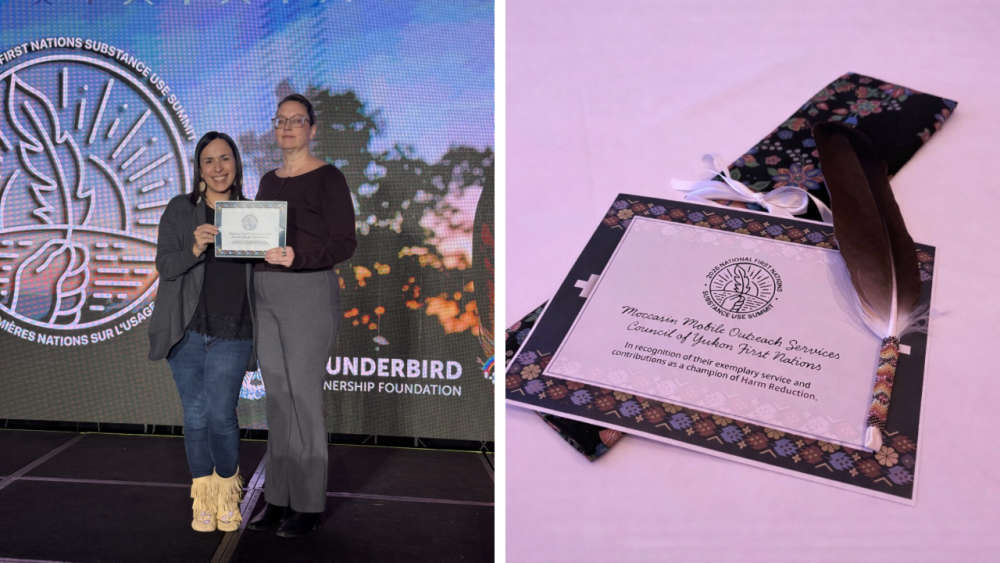 CYFN's Moccasin Mobile Outreach Program receives national recognition for harm reduction efforts
 Winter Games Wednesday with Nancy Thompson - Wednesday 25th February (Audio)
 Tr’ondëk Hwëch’in and Yukon Government partner on Dawson land planning initiative
 Yukon University strike averted as union reaches tentative agreement
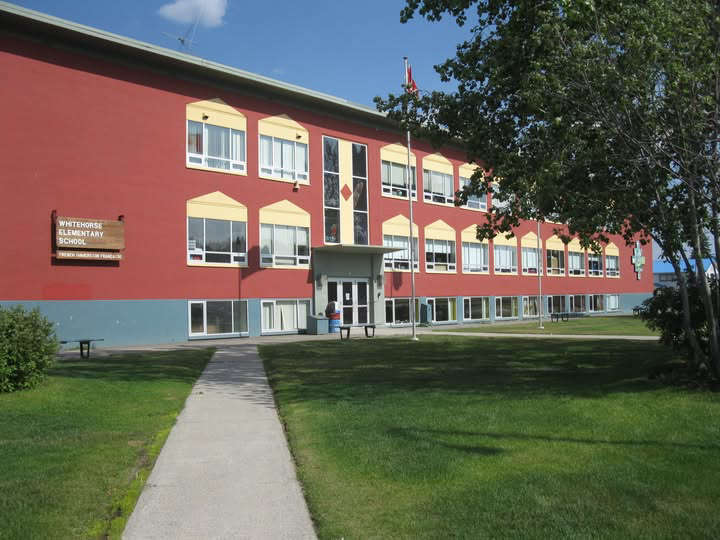 Yukon Government seeks input on new École Whitehorse Elementary School location
 Whitehorse 2026 Arctic Winter Games schedule unveiled
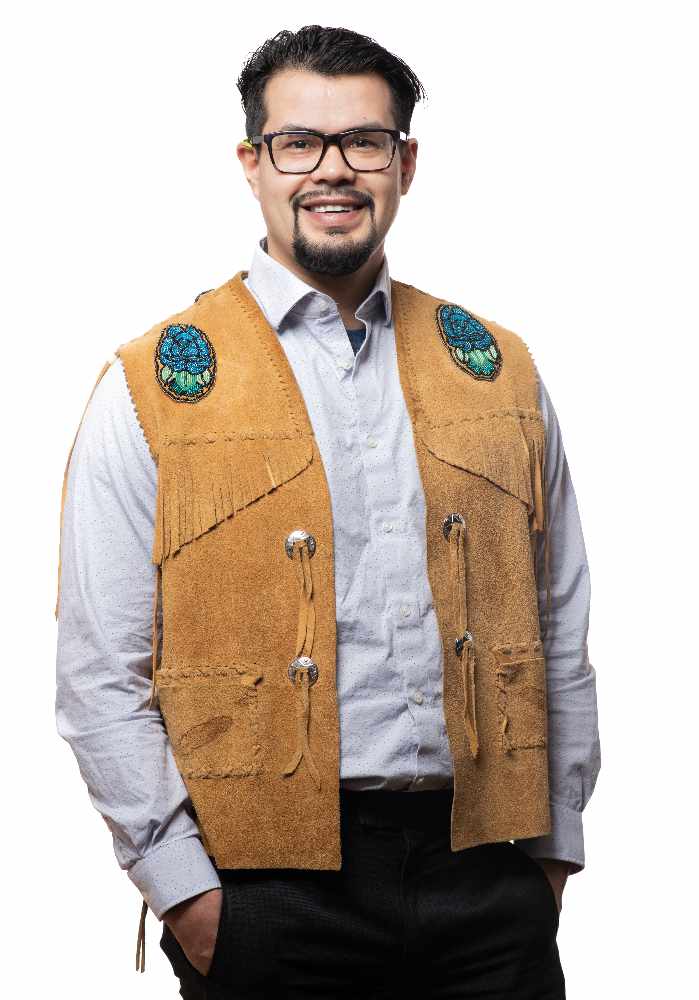 Jeremy Harper elected as Chief of Selkirk First Nation
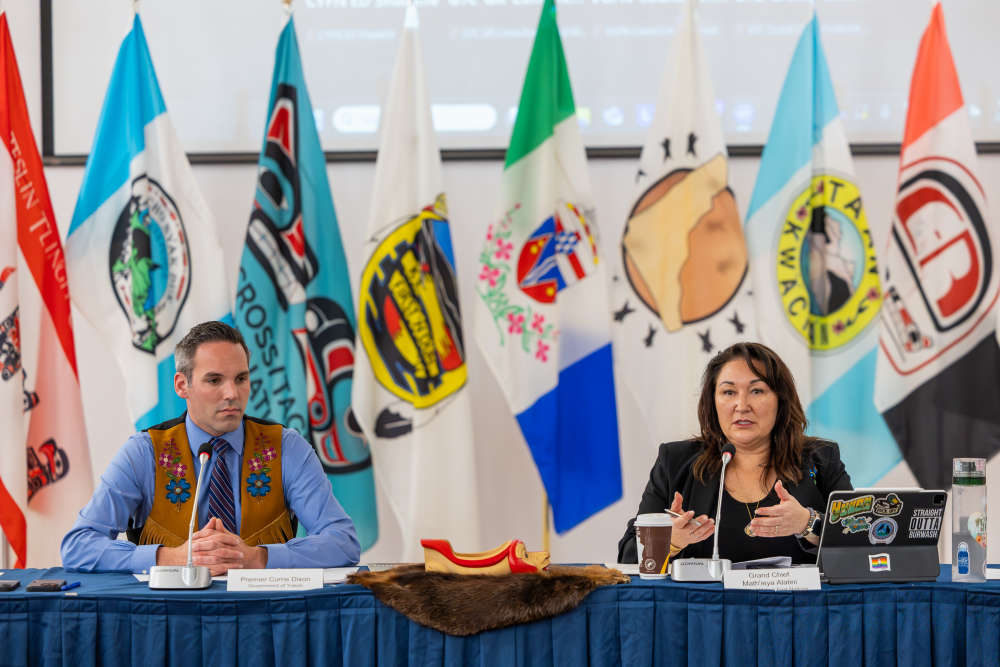 Yukon government pauses implementation of Health Authority, considering repealing Health Authority Act
 Yukon University withdraws from AWG
 $300,000 fund boosts student attendance initiatives in Yukon schools
 Whitehorse to host 2026 Broomball World Championships
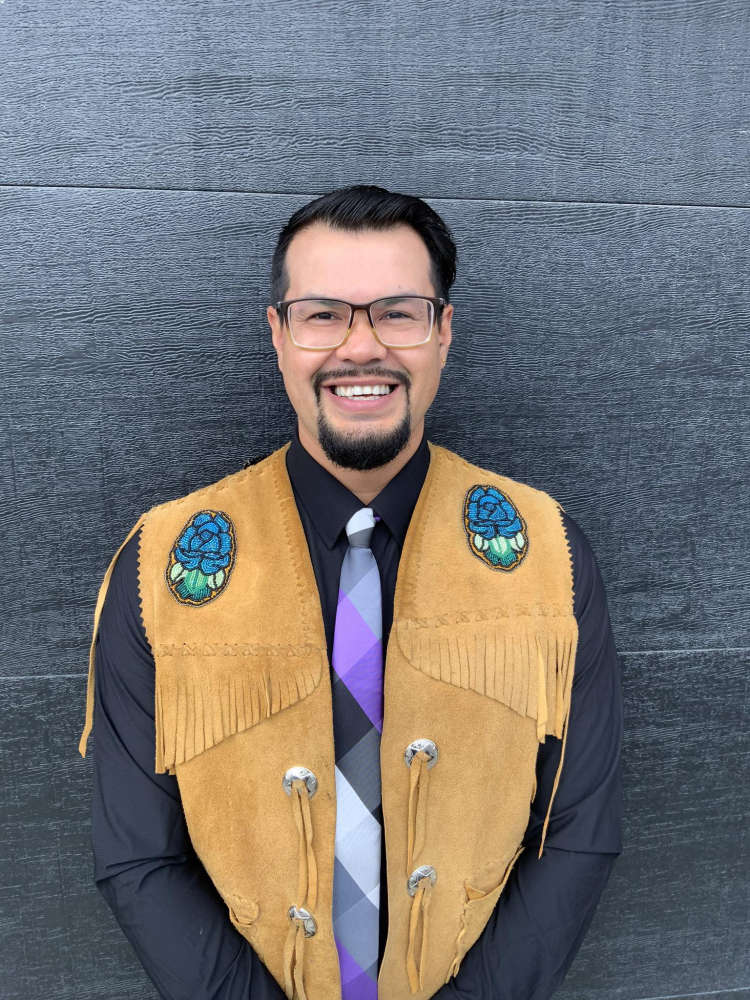 Harper to run for SFN chief
 Helicopters head to Alaska for exercise
 First Nations warn of increased scrutiny at US border, citing ICE actions
 Art brings hope to Whitehorse Shelter amidst challenging times
 Yukon Schools to benefit from national School food program
 Yukon Liberal Party shuffles leadership
 US healthcare workers courted to fill Canada gaps, Yukon next