


After 15 years of negotiations including a trip to the Supreme Court of Canada, the Peel Watershed Land Use Plan has been finalized. The finalized plan protects approximately 83% of the Peel Watershed.
After 15 years of negotiations including a trip to the Supreme Court of Canada, the Peel Watershed Land Use Plan was finalized last month. The plan covers more than 67,000 square kilometers of pristine wilderness in central Yukon and by agreement protects 83% of the area from commercial development.
The signing ceremony and celebrations took place Thursday August 22nd in Mayo and CHON FM was there. Four First Nations Governments and the Government of Yukon are party to the agreement.
The Peel Watershed Planning Commission was formed in 2004 and after extensive consultation recommended in 2011 that 80% of the Peel Watershed be protected. The recommendations were widely supported at the time by the public and the effected First Nations.
The government of the time rejected the recommendations and adopted its own plan that called for 70% development in the area. This decision effectively derailed the Peel Watershed Planning process and undermined the working relationship between the Government of Yukon and the Yukon First Nations Governments.
The affected First Nations and two environmental NGOs took the Yukon Government all the way to the Supreme Court of Canada. In December 2017 the Yukon Government’s decision to adopt its own plan was quashed and the planning process was sent back to the stage where the final recommendations had been released.
The finalized plan that was signed in August is similar to the recommendations brought forward by the planning commission in 2011. During the celebrations last month government leaders spoke repeatedly of the unnecessary time and expense associated with litigation. Premier Sandy Silver said, the cost of litigation is always too much.
Responding media questions about preventing further expensive and time-consuming court action in the land use planning process, Premier Silver said that respectful government to government working relationships is a critical success factor.
The finalized plan protects approximately 83% of the Peel Watershed. The remaining 17% has the potential for development and most of the development area is within the Tr'ondek Hwech'in Traditional Territory. Chief Roberta Joseph of the Tr'ondek Hwech'in First Nation said any applications for development in the Peel Watershed will be carefully reviewed.
 Independent review panel publishes first status report in Department of Education review
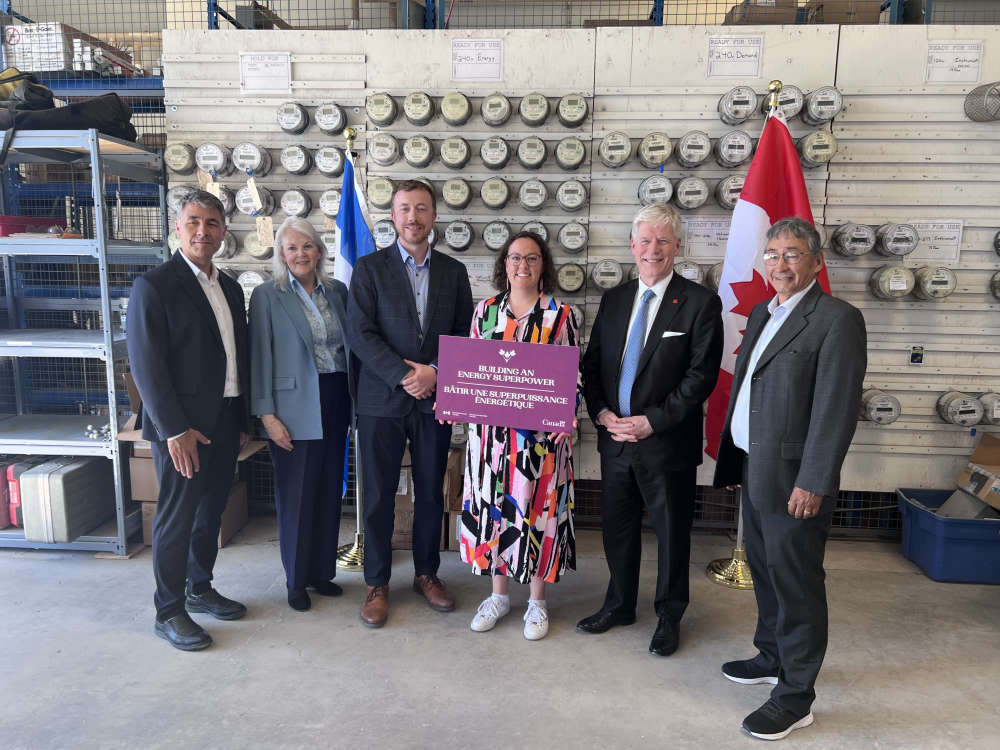 ATCO Electric Yukon Gets $7.5M to Fix Billing Issues with Smart Meters
 Yukon NDP calls on Yukon government to investigate electricity billing concerns
 Youth investment fund supports 13 community projects across Yukon
 FNNND challenges Mayo Dam spillway project over treaty and fish passage concerns
 First Nation of Na-Cho Nyäk Dun youth benefit as mining firms fund mayo school sports
 BC man convicted of manslaughter
 Hamilton Boulevard trail cleared as winter pilot project wraps up
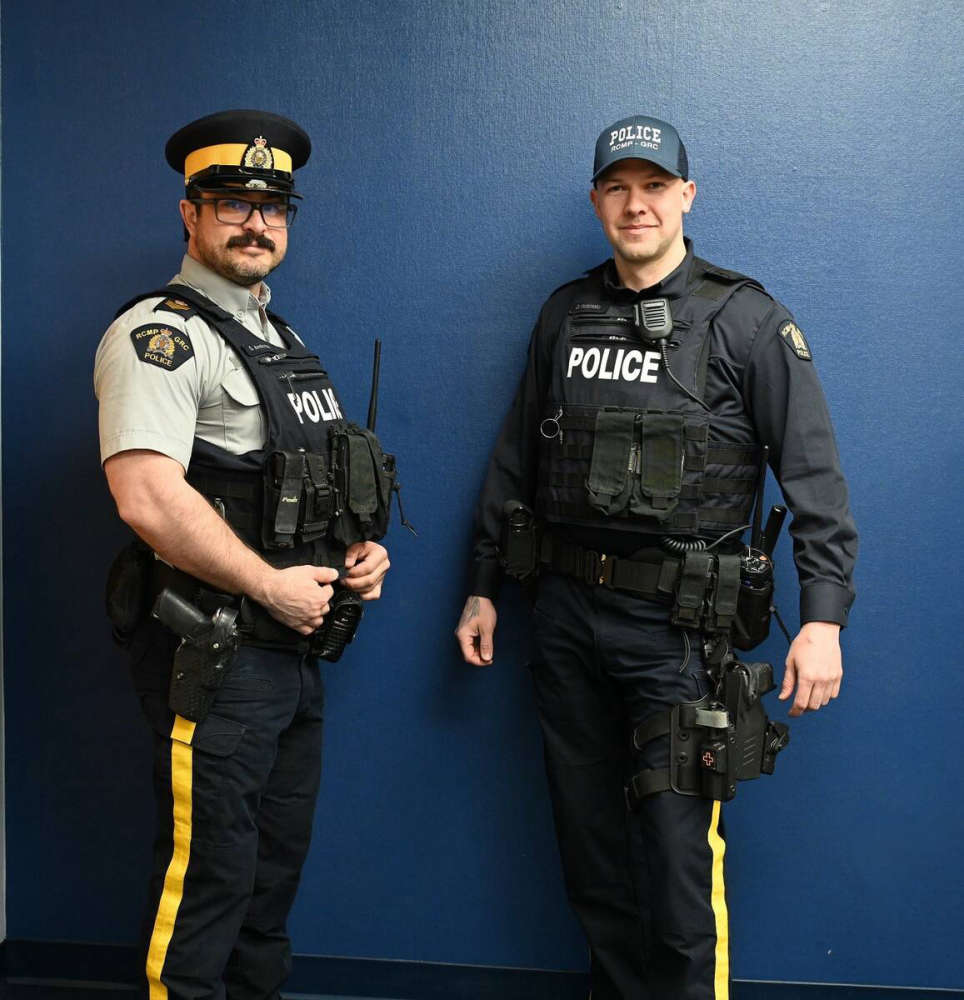 Yukon RCMP roll out new navy-blue uniform shirts
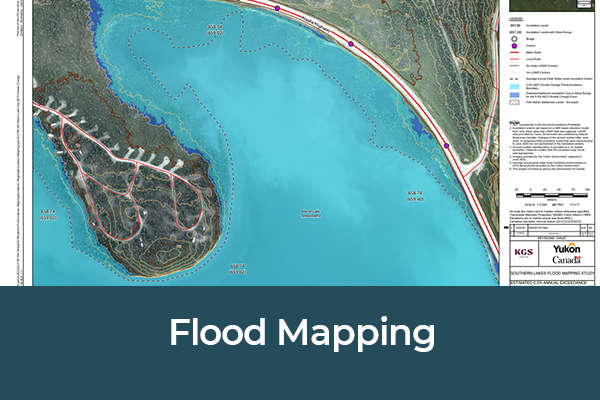 Yukon releases final flood maps for Dawson, Klondike Valley, Upper Liard
 Inquest into the death of Manui Roux to be held in Whitehorse
 Yukon municipalities to receive record $30 million in funding
 Yukon expands winter electricity relief for residents
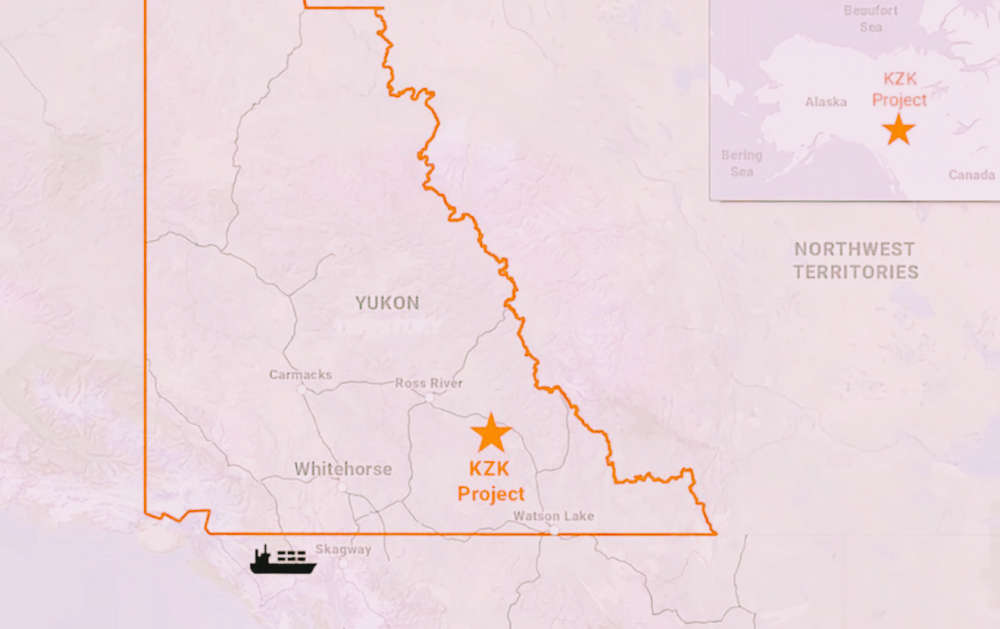 Ross River Dena Council says 'no' to proposed mining on its traditional territory
 LSCFN stands firm: 'No mining in the Breadbasket'
 Yukon Government accepts responsibility for abuse at Jack Hulland Elementary
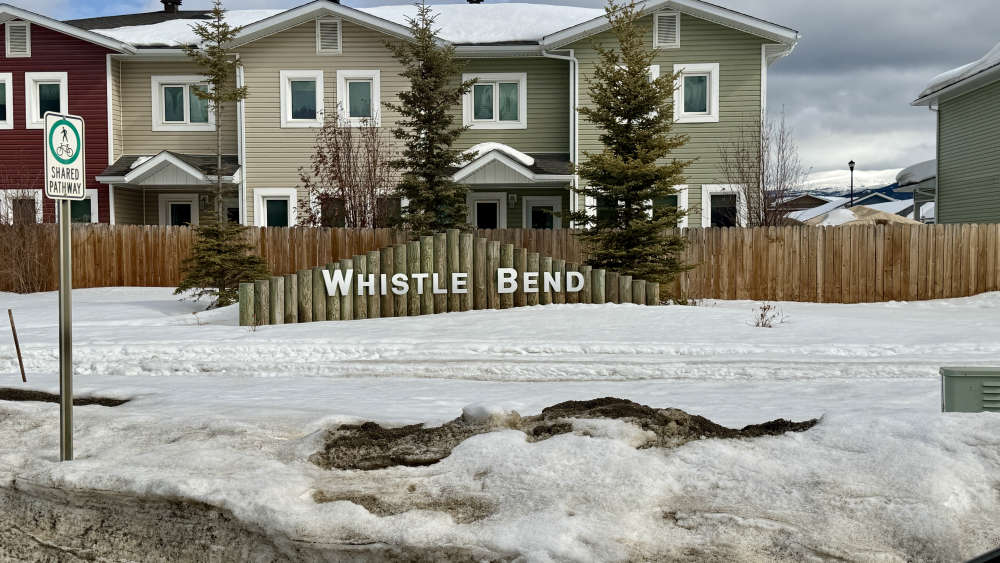 Whistle Bend road connector project gets $8.7M boost from federal government
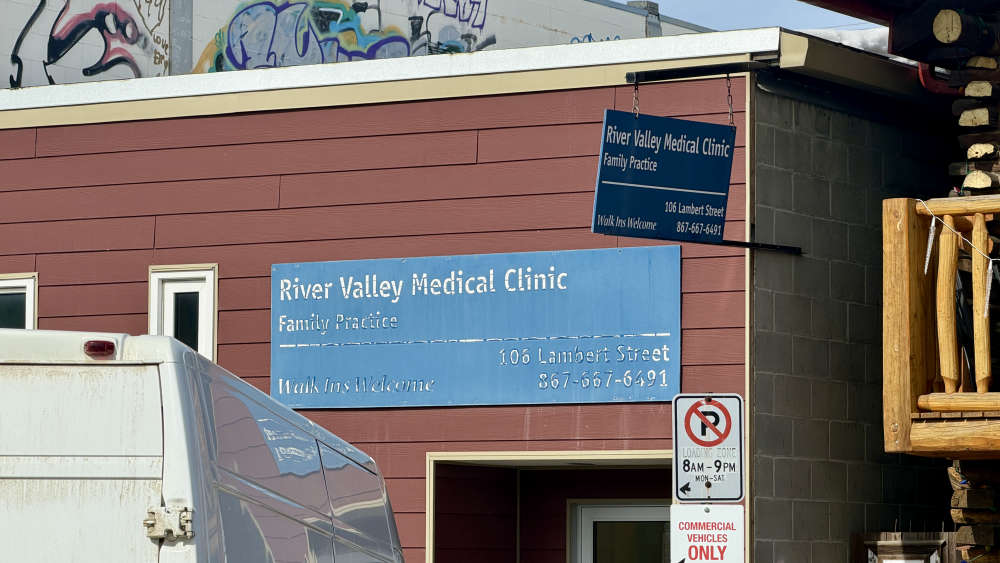 Yukon Government signs deal with Alliance Health for primary care clinic
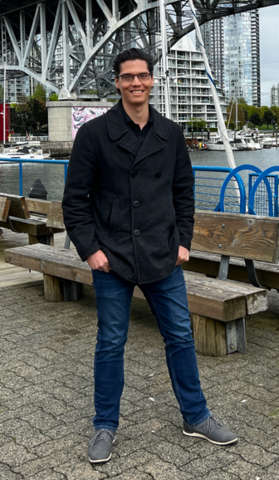 Man Missing in Whitehorse: Reuben van Klaveren Sought by RCMP